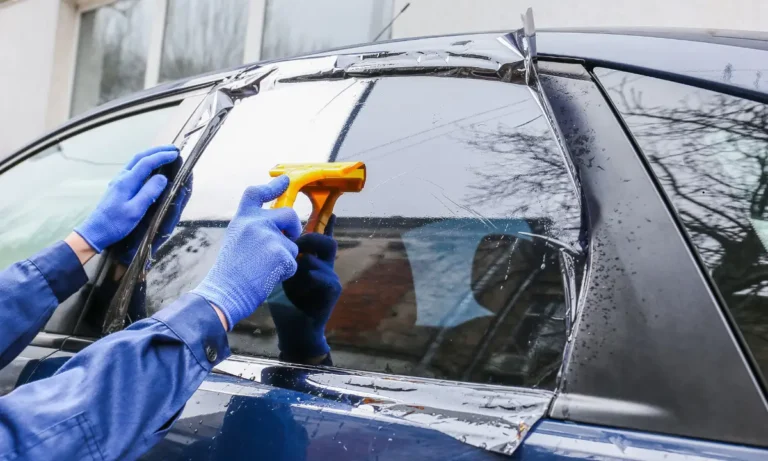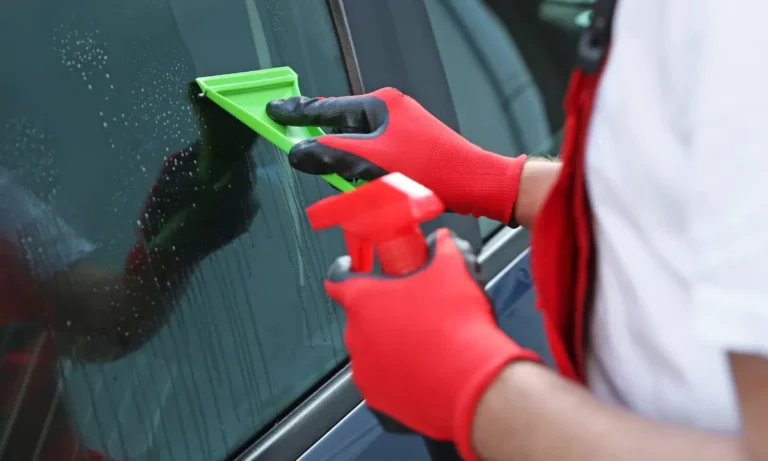

Keeping tinted windows clean is more than just a matter of looks; it’s about maintaining their clarity, lifespan, and protective function. Many vehicle owners or homeowners end up damaging their tints by using the wrong cleaners or tools. Tinted films require gentle care and specific cleaning techniques to avoid scratches, fading, or adhesive breakdown. This guide provides practical, step-by-step advice on how to safely clean tinted car, residential, and commercial windows. Whether you’ve recently had tint installed or it’s been on for years, learning the right cleaning approach will help your tint stay clear, bubble-free, and effective for a long time.
What Are Tinted Windows, and Why Do They Require Special Cleaning?
Tinted windows are created by applying a thin film, usually made of polyester and metalized coatings, to the glass surface. This film reduces glare, heat, and UV exposure, making interiors more comfortable and protecting upholstery from fading. However, unlike standard glass, tinted films have a delicate top layer that can be easily scratched or damaged by harsh chemicals or abrasive materials.
Regular cleaning products made for non-tinted glass often contain ammonia or alcohol, which can degrade the tint’s adhesive and cause it to bubble or peel over time. The tint film also reacts differently to temperature and moisture, so improper cleaning can shorten its lifespan. Using proper techniques and cleaning agents specifically meant for tinted surfaces is essential to preserving the film’s clarity and strength.
Which Mistakes Should You Avoid When Cleaning Tinted Windows?
Cleaning tinted windows isn’t difficult, but it’s easy to make small mistakes that lead to long-term damage. Understanding what to avoid helps you keep your tint looking new for years.
Why Are Ammonia & Harsh Chemicals Harmful to Window Tint?
Ammonia-based glass cleaners are one of the biggest threats to tinted films. Ammonia can strip the protective topcoat, causing discoloration or cloudiness. Over time, it weakens the adhesive bond between the film and glass, leading to bubbles or peeling edges. Alcohol-based cleaners can have a similar effect, leaving streaks and drying out the film.
Instead, use cleaners labeled ammonia-free or made specifically for tinted windows. These solutions are gentle yet effective and won’t interfere with the tint’s adhesive. Even homemade mixtures like distilled water and mild dish soap can work perfectly well. Avoid anything that smells strongly of chemicals, as that usually indicates a high ammonia content.
How Can Improper Tools Cause Scratches or Peeling?
The cleaning tools you use are just as important as the products. Using rough cloths, paper towels, or squeegees with hard rubber edges can cause micro-scratches on the tint surface. Over time, these scratches can dull the film’s appearance and reduce visibility through the glass. Paper towels, in particular, shed fibers that leave streaks and lint.
The safest option is a soft microfiber towel or a waffle weave cloth. These materials trap dust effectively and glide smoothly over the film without scratching. For tougher spots like dried water stains, soak them first instead of scrubbing hard. Scrubbing can damage the film’s edges and reduce its adhesion strength, leading to peeling or bubbling.
What Happens if You Clean in Direct Sunlight or Skip Rinsing?
Cleaning tinted windows under direct sunlight can cause more harm than good. Heat accelerates the drying process of cleaning solutions, leaving behind stubborn streaks or residue. Worse, it can bake chemicals into the film, leading to haze or permanent marks. The best time to clean is in the shade or indoors, where the surface temperature is cooler.
Skipping rinsing or wiping too quickly can also leave behind soap or dirt particles that stick to the film. These residues can gradually weaken the tint’s top layer and attract dust, making the window look dirty again within days. Always use clean water for rinsing and finish by drying with a lint-free microfiber towel to achieve a streak-free, clear finish.
How Do You Clean Car Window Tint Step-by-Step?
Cleaning tinted car windows correctly doesn’t take long, but it requires the right order and technique to protect the film. Here’s a detailed breakdown of the proper steps every car owner should follow.
What Pre-Cleaning Setup Should You Do?
Start by parking your car in a shaded area or garage. Make sure the windows are cool to the touch before beginning. If the tint is new, installed within the last week, wait at least seven days before cleaning to let the adhesive fully cure. Gather your cleaning supplies in advance, including a spray bottle with ammonia-free cleaner, two microfiber towels, and distilled water if possible.
Before applying any cleaner, gently wipe the glass with a dry microfiber towel to remove loose dust or debris. This prevents dragging small particles across the film, which can cause scratches. For extra protection, cover nearby door panels or interior trim if you’re cleaning from the inside.
What Cleaning Solution & Tools Are Safe for Auto Tints?
A simple and safe solution for tinted car windows is a mix of distilled water and a few drops of mild dish soap. You can also use any ammonia-free glass cleaner made specifically for tinted film. Fill the spray bottle with your chosen solution and lightly mist the window. Avoid soaking the edges, as excess liquid can seep beneath the tint and damage the adhesive.
Use a clean microfiber towel in gentle, circular motions to wipe away dirt and grime. For stubborn spots, let the cleaner sit for a few seconds before wiping. Switch to a dry microfiber towel to buff the surface, removing any moisture or streaks. Never use rough sponges, scrub brushes, or high-pressure sprays.
How to Clean Exterior vs. Interior Tint Without Causing Damage?
The exterior side of your car windows usually collects more dirt, bugs, and road grime, while the interior side gathers dust and fingerprints. Clean the exterior first to avoid transferring dirt onto the inside. For the exterior, you can apply slightly more pressure since the tint is usually applied on the inner side of the glass.
For the interior, be extra gentle. Lightly mist the cleaner on the towel instead of spraying it directly onto the glass to avoid liquid seeping into the window edges. Wipe slowly and evenly, paying attention to the corners and edges. Once finished, use a clean, dry microfiber towel to buff the surface until it’s streak-free and shiny.
How Should You Clean Residential & Commercial Tint Films on Homes or Offices?
Cleaning tinted windows in homes or offices requires a slightly different approach compared to vehicle tints. Flat-glass window films are usually thicker and cover larger surfaces, often extending across entire glass panels. These films are designed to reduce heat, glare, and UV exposure, but they can be damaged just as easily by harsh chemicals or rough cleaning methods. Always start by removing dust using a soft microfiber cloth or a dry duster. Then, spray a light mist of ammonia-free cleaner or a mild soap-and-water mixture onto the surface and wipe gently with a lint-free towel. Never use sharp tools or razor blades to scrape off dirt or tape residue; they can leave permanent scratches.
Large architectural windows need extra care, especially in offices or high-rise buildings. Cleaning them safely often requires special equipment, like extension poles or safety harnesses, and must follow building maintenance standards. For such cases, it’s smarter to hire professionals who use non-abrasive tools and commercial-grade ammonia-free products designed for tinted films. Their expertise ensures the film’s integrity and maintains the smooth, reflective look of large glass surfaces without risking damage or uneven cleaning marks.
When Should You Call In a Professional for Tint Cleaning or Maintenance?
While many homeowners and drivers handle regular cleaning themselves, there are situations where professional help makes a noticeable difference. Professionals bring specialized cleaning solutions, soft-edge squeegees, and safe wiping techniques that minimize any risk of peeling or scratching the film. They’re also trained to recognize early signs of tint damage, like bubbling, lifting edges, or discoloration, before they become expensive problems.
When choosing a tint cleaning or maintenance service, ask a few important questions:
- Are your cleaners ammonia-free and safe for tinted film?
- Do you have certifications from major tint brands like 3M, LLumar, or XPEL?
- Do you provide a written guarantee or service warranty?
Having a professional inspection at least once every 12–18 months helps extend the lifespan of your tint, especially in states with strong sunlight, such as California, Arizona, or Florida. Commercial properties with large glass areas can benefit from quarterly maintenance schedules to maintain clarity and energy efficiency.
What Are the Most Frequently Asked Questions (FAQs) About Cleaning Tinted Windows?
Can I use regular glass cleaner on tinted windows?
No. Most regular glass cleaners contain ammonia or alcohol, which can weaken the adhesive and cause tint film to fade or bubble. Always use a cleaner labeled “safe for tinted windows” or make your own with distilled water and mild soap.
How often should I clean my tinted windows?
Clean every two to three weeks for vehicles and once a month for home or office windows. More frequent cleaning may be needed in areas with high dust, salt, or pollution levels.
Will cleaning damage my warranty on the tint film?
If you use ammonia-based or abrasive products, yes, it could void the warranty. Reputable tint brands like 3M and XPEL specify care instructions to keep warranties valid. Always follow the installer’s maintenance guide.
What’s the best way to remove spots or adhesive residue from tinted glass?
For sticky spots or tape residue, soak the area with a damp microfiber towel and mild soap solution for a few minutes before gently wiping it off. Avoid scraping or using alcohol-based cleaners that can scratch or dull the surface.
How Can You Get Started With Proper Tint Window Care Today?
Taking care of tinted windows doesn’t require expensive products, just the right habits and tools. Follow this quick checklist to start maintaining your tints properly:
- Use ammonia-free glass cleaner or a distilled water and soap mix.
- Always clean using soft microfiber towels instead of paper products.
- Wash in the shade or indoors to avoid streaks and sun-baked residue.
- Wipe gently and avoid soaking the window edges with excess liquid.
- Schedule professional cleaning or inspection every 12–18 months.
For everyday care, consider investing in a quality tint-safe cleaner, waffle weave drying towels, and a spray bottle for precise application. These small tools go a long way in keeping your windows crystal clear and streak-free.
If you’re in the United States and want expert care, reach out to a certified window tint service provider like OC Tint Solutions. Professional tint maintenance keeps your film in top shape, improves your building’s energy efficiency, and ensures your vehicle always looks fresh and clean. Clean, well-maintained tinted windows not only improve visibility and appearance, but they also help your investment last for years.