Your vehicle is more than just transportation; it’s an investment that deserves protection. Daily driving exposes cars to rocks, debris, road salt, bird droppings, and UV rays, all of which can damage paint and reduce resale value. Paint Protection Film (PPF) offers a solution by acting as a transparent barrier that shields your car’s surface. Many car owners wonder if the upfront cost of PPF is justified. This guide breaks down what PPF is, how it works, and why it may be a smart choice for drivers who want to preserve their car’s appearance, reduce maintenance costs, and maintain long-term value.
What Exactly Is Paint Protection Film (PPF): And How Does It Work?
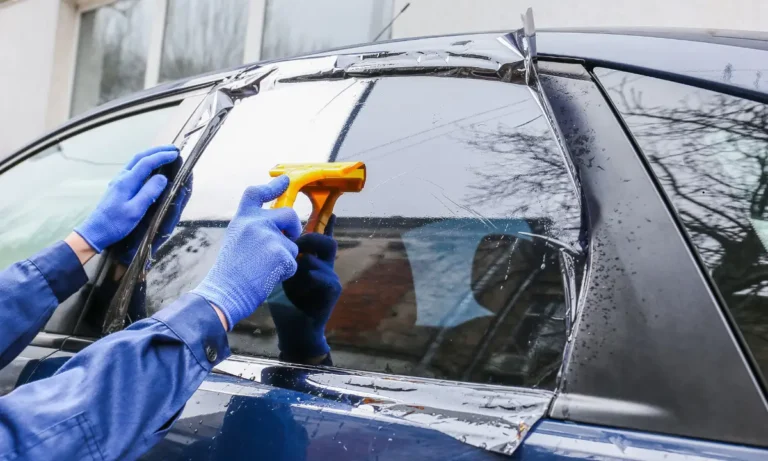
Paint Protection Film is a thin, durable, clear layer made primarily from thermoplastic polyurethane (TPU) or polyvinyl chloride (PVC). It is applied directly to the exterior surfaces of a vehicle, including the hood, fenders, mirrors, bumpers, and sometimes the entire body. Modern PPF is engineered to resist scratches, chips, stains, and discoloration while remaining virtually invisible.
The film works by absorbing minor impacts that would otherwise damage the paint underneath. Some high-end PPF products also include a self-healing topcoat that repairs light swirl marks or scratches when exposed to heat from sunlight or warm water. Long-term protection helps maintain the vehicle’s aesthetic, reduces the need for paint correction, and preserves resale value. For those who value the look and condition of their car, PPF provides peace of mind.
What Are the Key Benefits of PPF That Make It Worth It?
1. How Does PPF Shield Your Paint from Chips, Scratches & UV Damage?
PPF acts as a physical barrier between the road and your car’s paint. It prevents rock chips, minor scratches, and abrasions from daily driving, which are common causes of cosmetic damage. The top layer often includes UV protection, which prevents fading or oxidation caused by sunlight. By shielding the paint, the film reduces the frequency of touch-ups, repainting, or detailing, helping the vehicle maintain a smooth, glossy finish over years of use. Even high-traffic areas like bumpers and hood edges remain protected, making PPF especially valuable for drivers in regions with harsh roads or intense sun exposure.
2. What Is Self-Healing Technology and How Does It Benefit You?
Many modern PPF products feature self-healing technology, which allows minor scratches and swirl marks to disappear when exposed to heat. This is possible because the topcoat of the film softens slightly under warmth, enabling the surface to “heal” small imperfections naturally. Self-healing saves time and effort by reducing the need for frequent touch-ups or polishing. It keeps the vehicle looking pristine even after light wear. For car owners, this technology ensures that daily bumps or contact with keys, shopping carts, or debris don’t compromise the finish, making the film a long-term solution for maintaining the vehicle’s visual appeal.
3. How Does PPF Make Maintenance Easier for Vehicle Owners?
Vehicles with PPF are easier to maintain because the film repels dirt, tar, and bird droppings more effectively than bare paint. A simple hand wash with mild soap or waterless cleaning spray is usually sufficient to remove contaminants. The topcoat’s slick surface prevents staining and reduces water spotting. Since the paint underneath is protected, car owners don’t need to perform frequent polishing or waxing. Maintenance is straightforward, saving both time and money while keeping the car in showroom condition. This convenience is especially beneficial for daily drivers or those living in areas with frequent rain, dust, or road salt exposure.
4. How Can PPF Save You Money Over Time (Repair Costs, Resale Value)?
While PPF installation can be a significant upfront investment, it reduces long-term costs. By preventing scratches, chips, and oxidation, the film minimizes the need for paint correction, touch-ups, or full repainting. Preserved paint also improves the vehicle’s resale value, as buyers often pay a premium for cars that look well-maintained. Over time, the protection can offset the initial cost multiple times, especially for luxury vehicles, high-mileage cars, or vehicles frequently driven in harsh environments. Investing in PPF can therefore be a cost-effective solution for car owners concerned about long-term expenses.
5. How Does PPF Extend Your Vehicle’s Lifespan and Appearance?
PPF keeps the vehicle’s paint protected from environmental and mechanical damage, which directly contributes to the car’s long-term appearance and lifespan. It prevents minor wear from turning into visible damage that could accelerate rust or paint degradation. By maintaining a smooth, glossy surface, PPF ensures the car continues to look newer for longer. This is particularly valuable for collectors, luxury car owners, and anyone planning to resell their vehicle in the future. The combination of protection against physical damage and UV rays makes PPF a comprehensive solution for preserving a car’s exterior over several years.
6. In What Ways Is PPF Versatile (Full-Car, Partial Coverage, Pairing with Coatings)?
PPF can be applied to specific high-impact areas like hoods, mirrors, bumpers, and fenders, or cover the entire car for maximum protection. It works in conjunction with ceramic coatings, enhancing durability while improving gloss and hydrophobic properties. Partial coverage is ideal for drivers seeking targeted protection on vulnerable areas, whereas full coverage offers complete peace of mind for new or luxury vehicles. This versatility allows car owners to select a solution that fits their budget, driving habits, and vehicle value, making PPF a flexible and practical option for a wide range of users.
Who Should Consider PPF, and Who Might Skip It?
Paint Protection Film is not just for high-end or rare vehicles; it can benefit many types of car owners depending on their needs and usage patterns. PPF is especially valuable for those looking to maintain their vehicle’s appearance, protect against everyday wear and tear, and reduce maintenance costs over time. However, not every vehicle owner may find it necessary. Drivers who rarely use their vehicles, live in low-risk areas with smooth roads, or prefer regular waxing and ceramic coatings for minor protection may choose to skip full PPF installation. Ultimately, assessing driving habits, climate exposure, and long-term goals helps determine if PPF is worth the investment.
Is PPF Right for Luxury & Sports Car Owners?
Luxury and sports cars are often expensive to repair, and their paintwork is a critical part of the vehicle’s appeal. PPF provides a transparent shield that preserves the flawless finish against scratches, rock chips, and UV damage. For owners who frequently park in urban environments or drive at high speeds on highways, the film acts as an essential layer of protection. Maintaining showroom-quality paint not only preserves aesthetics but also ensures higher resale value. For these cars, investing in high-quality PPF is generally considered highly worthwhile.
What About Vintage, Classic & Collector Vehicles?
Collector cars, vintage vehicles, and classics are often driven less frequently but are highly valuable. Even minor paint damage can significantly reduce their worth. PPF protects these vehicles from light scratches, dust abrasion, and environmental contaminants without altering the vehicle’s appearance. Since classic cars are typically maintained carefully, PPF is an extra precaution that preserves paint integrity while allowing enthusiasts to drive their vehicles confidently. Many collectors choose partial coverage on vulnerable areas like hoods, fenders, and bumpers to maintain authenticity while adding protection.
Does a New Car Benefit from PPF?
New vehicles are prime candidates for PPF because they come with pristine paint that owners want to protect from day one. Fresh paint is most vulnerable to rock chips, minor scratches, and UV fading during the first few years of use. Applying PPF early ensures long-term protection without the need for extensive detailing or corrective work. Additionally, maintaining the factory finish preserves the car’s resale value and keeps the paint looking brand-new, which is particularly important for premium or high-mileage vehicles.
How Does It Serve Daily Drivers & Commuters?
Daily drivers face consistent exposure to traffic debris, parking lot hazards, and weather conditions. Even a short commute every day increases the likelihood of minor scratches, chips, and stains. PPF acts as a barrier against frequent wear and tear, making routine maintenance simpler. For commuters, the combination of protection, ease of cleaning, and prevention of long-term paint damage can save both time and money. Partial coverage is often sufficient for daily commuters who prioritize hood, bumper, and mirror protection.
What Value Does It Offer to Off-Road, Adventure or High Mileage Drivers?
Vehicles used for off-road adventures or long road trips are more exposed to physical damage. Gravel roads, dirt trails, and harsh weather increase the risk of scratches, chips, and chemical damage from mud, tree sap, and bug splatter. PPF provides enhanced durability against these elements, while self-healing films ensure minor abrasions are corrected naturally. For high-mileage drivers, the film protects frequently used areas, maintaining both appearance and paint integrity, which would otherwise degrade more quickly under heavy use.
Is It Justified for Those Focused on Resale Value?
Maintaining a vehicle’s resale value is a major reason many owners invest in PPF. Cars with intact, undamaged paint attract higher offers from buyers, dealerships, or resale platforms. PPF prevents small imperfections that can significantly lower a vehicle’s perceived condition. For owners planning to sell within a few years, applying PPF is a cost-effective measure to protect their investment and increase the car’s marketability. Even partial coverage on high-risk areas can offer a significant return on investment when considering resale value preservation.
How Does PPF Compare to Other Protection Options Like Ceramic Coatings or Waxes?
PPF is one of several options available for vehicle protection. Understanding its capabilities and limitations compared to other methods helps car owners choose the solution that best fits their needs, budget, and long-term goals.
What PPF Does (and Doesn’t) Protect Against?
PPF is highly effective against physical damage such as rock chips, scratches, and minor abrasions. Its UV-resistant topcoat also prevents fading and oxidation. However, PPF cannot prevent deep dents, major collisions, or structural damage. The film primarily protects the surface finish and is designed for everyday wear, road debris, and environmental contaminants.
What Ceramic Coatings Offer, and Their Limits?
Ceramic coatings provide chemical protection and hydrophobic properties, making cleaning easier and reducing the likelihood of stains or water spots. They also enhance gloss and surface smoothness. However, ceramic coatings cannot absorb physical impacts, leaving the paint vulnerable to chips, scratches, or abrasion. They are most effective when paired with PPF or used on vehicles with low risk of physical damage.
How to Make the Best Decision Based on Your Needs & Budget?
Choosing between PPF, ceramic coatings, or traditional wax depends on vehicle use and owner priorities. If your main concern is physical protection and resale value, PPF is the best option. For drivers focused on ease of cleaning and enhanced shine, ceramic coatings can be sufficient. Many vehicle owners use both, applying PPF on high-risk areas while coating the rest of the car with ceramic protection. Cost, coverage area, and expected lifespan should guide your choice, ensuring the protection aligns with your driving habits and financial plan.
What Common Myths Surround PPF: And What’s the Real Story?
Despite its growing popularity, Paint Protection Film is surrounded by misconceptions that can confuse vehicle owners. Understanding the facts ensures you make an informed decision about your car’s protection. PPF is not just for luxury or show cars; it benefits any vehicle that is exposed to potential scratches, chips, or environmental damage. Modern films are removable without harming the paint when installed correctly. While the initial investment may seem high, the long-term savings on paint repairs and resale value often justify the cost. PPF lasts several years, and top-quality films outperform budget alternatives. It can also be safely combined with ceramic coatings for enhanced gloss and durability.
Myth 1: “PPF Is Only for High-End or Show Cars.”
This is false. Any vehicle, regardless of price or type, can benefit from PPF. Daily drivers, off-road vehicles, and commuter cars are all susceptible to minor scratches and rock chips. PPF helps maintain appearance and resale value, making it a practical investment for all car owners, not just those with luxury vehicles.
Myth 2: “PPF Will Damage My Paint When Removed.”
High-quality PPF, when installed by certified professionals, can be removed safely without harming the underlying paint. The adhesive is engineered to hold firmly during use but release cleanly when removal is needed. This means you can replace or update your film without compromising the vehicle’s finish.
Myth 3: “PPF Is Always Too Expensive for Ordinary Drivers.”
While the upfront cost may seem significant, partial coverage or targeting high-risk areas can make PPF affordable. Considering potential savings on paint repairs, touch-ups, and increased resale value, even everyday drivers can find it cost-effective. Strategic coverage allows drivers to protect their investment without exceeding their budget.
Myth 4: “PPF Doesn’t Last Very Long.”
Modern PPF films have lifespans ranging from 5 to 10 years depending on quality, brand, and maintenance. Proper cleaning, avoidance of harsh chemicals, and professional installation can maximize durability, making it a long-lasting solution for paint protection.
Myth 5: “You Can’t Combine PPF with Ceramic Coatings.”
This is incorrect. PPF works well with ceramic coatings. Coatings can be applied on top of the film to enhance hydrophobic properties, gloss, and chemical resistance. The combination delivers both physical protection from debris and chemical protection, simplifying maintenance and extending the vehicle’s aesthetic appeal.
Myth 6: “All PPF Products Are the Same Quality.”
PPF quality varies by brand and material. Premium films, like those from 3M, XPEL, or SunTek, often include self-healing topcoats, superior clarity, and stronger adhesives. Cheaper alternatives may yellow, peel, or offer lower impact resistance. Selecting a certified installer and quality film is crucial for long-term protection and appearance.
How Much Does PPF Cost: and How Do You Measure “Worth It”?
The cost of PPF varies based on coverage, brand, and installation. In the United States:
- Partial coverage (hood, fenders, mirrors, bumper): $500–$1,500++
- Full car coverage: $2,500–$6,000++
The investment should be evaluated by potential return on investment:
- Avoiding paint repairs from chips, scratches, and UV damage.
- Maintaining resale value with pristine paint.
- Reducing ongoing maintenance costs like waxing or polishing.
| Coverage Type | Average Cost | Typical Benefits | ROI Perspective |
| Partial Coverage | $500–$1,500++ | Protects high-impact areas, moderate cost | Saves on minor paint repairs |
| Full-Car Coverage | $2,500–$6,000++ | Maximum protection includes the entire vehicle body | Preserves overall appearance & resale value |
Protect Your Vehicle the Right Way with OC Tint Solutions PPF and Tint Service
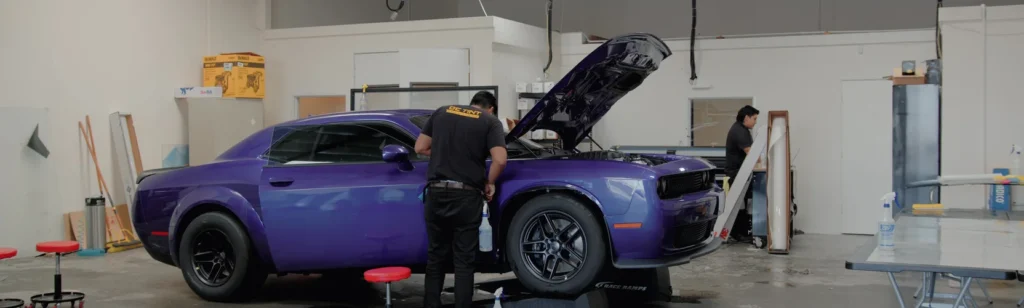
At OC Tint Solutions, we specialize in keeping your vehicle looking its best while protecting it from daily wear and environmental damage. Our professional Paint Protection Film (PPF) and window tinting services are designed to shield your car from rock chips, scratches, UV rays, and fading, ensuring that your investment stays in top condition for years. Using high-quality films from trusted brands and installed by experienced technicians, we guarantee a flawless finish that enhances both protection and appearance. Whether you drive a luxury car, a daily commuter, or an off-road vehicle, OC Tint Solutions delivers durable, reliable, and affordable protection tailored to your needs.
What Steps Should You Take If You Decide PPF Is Worth It?
- Choose a Certified Installer: Look for affiliations with brands like XPEL, 3M, or SunTek and verify experience and warranty coverage.
- Decide on Coverage Areas: Evaluate risk zones such as hood, fenders, mirrors, bumpers, and door edges. Full-car coverage is ideal for high-value or frequently driven vehicles.
- Understand Maintenance: Clean only with ammonia-free cleaners and soft microfiber towels; avoid abrasive materials. Consider ceramic coating on top for added protection.
- Ask Key Questions Before Booking: Ensure warranty terms, expected lifespan, and removal guidelines are clearly explained. Review previous work samples and installation reviews.
These steps ensure your PPF investment is effective, long-lasting, and aligned with your vehicle care goals.
Conclusion: Is PPF Worth It for You?
Paint Protection Film is a smart investment for drivers seeking long-term protection, reduced maintenance, and higher resale value. It’s highly beneficial for luxury, sports, vintage, and daily-driven vehicles, as well as off-road or high-mileage cars. PPF’s combination of physical shielding, UV protection, and compatibility with ceramic coatings provides unmatched durability. For some drivers, partial coverage may suffice, while others benefit from full-car installation. Assess your vehicle usage, environment, and budget to determine the best solution. With proper installation and care, PPF offers lasting value, peace of mind, and a car that continues to look its best for years.