Keeping your car’s paint safe can feel stressful, especially if you drive on highways, construction zones, or gravel roads. Small rocks fly up without warning, and even one hit can leave a mark that ruins the clean look of your vehicle. Many car owners search for a long-term solution that prevents these annoying chips before they happen. This is where Paint Protection Film (PPF) becomes a strong option. But the big question still stands: Does PPF actually protect against rock chips, or is it just hype?
This guide answers that question in detail so you can make a confident decision. You will also learn how PPF works, what level of protection it offers, and why professional installation from a trusted shop like Octint Solutions makes a huge difference.
What Causes Rock Chips?
Rock chips happen when loose debris hits your vehicle with force, usually while driving at moderate or high speeds. Highways, rural roads, construction areas, and even stormy weather increase the likelihood that rocks and sand will be kicked up by other vehicles. The force is strong enough to break through the clear coat and paint, leaving small but noticeable marks. Over time, these chips can spread or collect dirt, making your car look worn out faster. If ignored, they can even encourage rust on exposed metal surfaces.
Why Rock Chip Damage Is So Common in the US
In the US, drivers regularly face fast-moving traffic, long commutes, and unpredictable road surfaces. States like Texas, Arizona, Florida, and California often experience road construction, loose gravel, and hotter temperatures, which can weaken paint more quickly. On the other hand, colder states usually deal with salt and sand spreading during winter, which increases chip exposure. This makes preventive protection much more critical for American car owners who want their vehicles to stay clean and maintain value.
How Paint Protection Film (PPF) Is Built
PPF is made from a durable polyurethane layer that absorbs impact before it reaches your paint. It’s specifically engineered to take hits from small stones, road debris, and other surface hazards. The top layer is smooth and precise, so your paint color stays visible, while the bottom adhesive layer bonds strongly to your car’s surface. This structure helps PPF absorb the impact force and spread it out instead of letting it break through the paint.
How PPF Absorbs Impact From Rock Chips
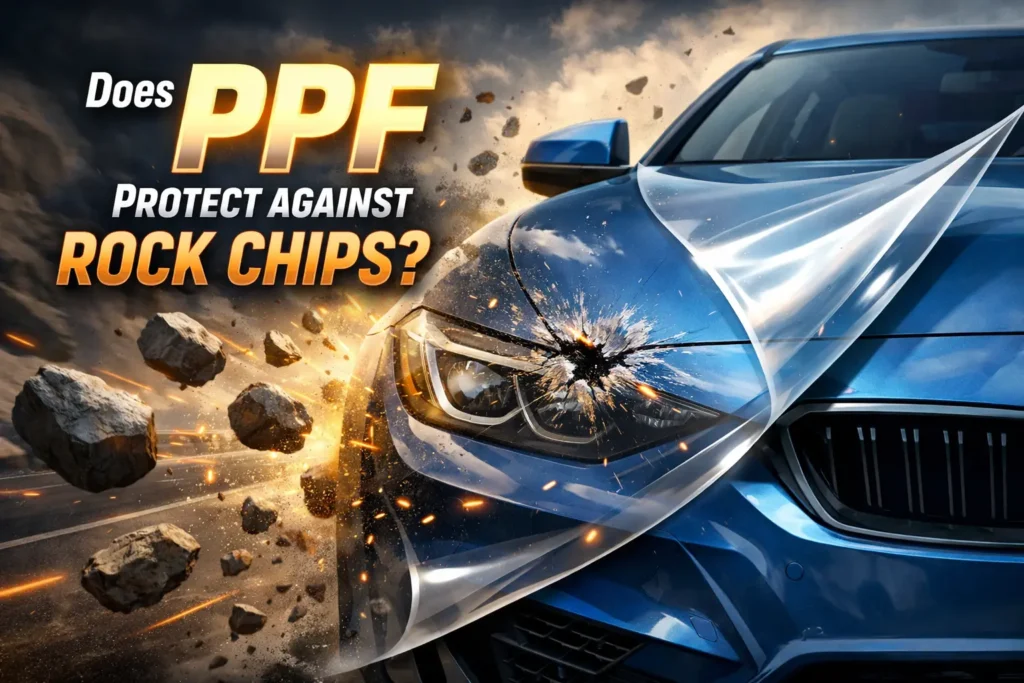
One of the biggest strengths of PPF is its ability to deflect and soften impact energy. When a rock hits your car, the film stretches slightly to absorb the force, rather than letting the paint surface take the damage directly. This means the rock may rebound or simply leave a tiny mark on the film, but your paint underneath stays untouched. In most cases, the mark on the film is barely noticeable and may even disappear if the film has self-healing properties.
How Self-Healing PPF Helps Protect Your Car
Many premium films used by installers feature self-healing properties that activate when exposed to sunlight or mild heat. Small swirls, surface marks, and light scratches in the film fade on their own, keeping your car looking cleaner without constant worry. This is especially helpful in areas that are frequently hit, such as the front bumper and hood. Instead of dealing with repainting or touch-ups, your film refreshes itself and keeps going.
Why Proper Installation Matters
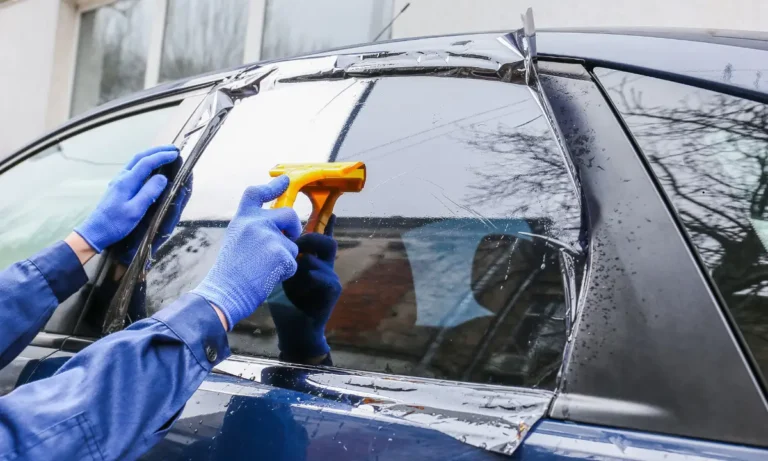
Even the best PPF can underperform if installed incorrectly. Bubbles, gaps, stretched edges, or uneven placement can reduce impact resistance. That’s why working with experts like Octint Solutions is essential. Their team uses high-precision methods and high-quality film that bonds smoothly across the surface. The tighter the adhesion and the cleaner the installation, the better the film can handle rock hits. A poorly installed film won’t stay tight, which reduces its ability to withstand impact.
How Much Protection Can You Expect From PPF
PPF is highly effective at blocking rock chips, particularly in high-impact areas such as the front bumper, hood, fenders, mirror caps, rocker panels, and headlights. The film serves as a flexible shield, taking the hit before it reaches the paint. While it doesn’t make your car damage-proof, it noticeably reduces chips by absorbing most of the impact that usually breaks through the paint layer.
Drivers who install PPF often report fewer visible marks, a cleaner front end even after highway driving, and longer-lasting paint compared to vehicles without film. This makes PPF a preferred solution for people who want their cars to stay fresh for years, without needing repainting or polishing after every road trip.
Which Areas of a Car Benefit the Most
Rock chips usually hit the parts of your car that face the wind directly. The front bumper gets the most hits because it is the first point of contact. The hood comes next, especially the front section, where debris often bounces upward. Side mirrors and fenders also take frequent hits from passing traffic, and rocker panels suffer from debris kicked up by your own tires. Covering these areas with PPF helps you cut down future repair costs and keeps your vehicle looking clean. Many car owners choose full-front PPF packages, while others prefer full-body coverage for maximum reassurance.
Comparison: PPF vs Ceramic Coating vs Wax
Many drivers confuse PPF with other paint protection options, but the level of impact resistance is entirely different. Ceramic coating and wax can protect your car from UV exposure and help with cleaning, but they do not block rock chips. Ceramic coating is a thin liquid layer that hardens on the surface; it doesn’t offer physical impact absorption. Wax is even lighter and lasts only a few weeks. On the other hand, PPF is thick, elastic, and capable of softening the blow from small objects. If rock chip protection is your primary concern, PPF is the strongest option available today. Here’s the comparison between PPF vs Ceramic coating vs wax:
| Feature | PPF | Ceramic Coating | Wax |
| Stops rock chips | Yes | No | No |
| Thickness | 6–8 mil | Less than one mil | Thin surface layer |
| Self-healing ability | Yes (premium film) | No | No |
| UV protection | Strong | Strong | Moderate |
| Lifespan | 7–10 years | 2–5 years | Weeks |
| Best use case | Impact protection | Shine & easy cleaning | Short-term shine |
As you can see, PPF is the only choice for absolute rock-chip protection. This is why installers in the US focus on high-grade PPF services for long-term benefits.
Why Film Thickness Matters for Chip Prevention
Thickness plays a massive role in how well PPF works. Thicker films are better at absorbing the energy of a rock hit. Most premium PPF ranges from 6 to 8 mil, which is enough to block common debris. The thickness helps prevent the paint layer from getting hit directly, reducing the chances of chipping or cracking. If you drive on highways daily or through construction zones, choosing a thicker PPF is a more intelligent choice. Professional shops usually help you determine which thickness best suits your driving habits.
Impact of Driving Conditions
Different environments affect how often you face rock chips. Drivers in desert regions like Arizona or Nevada deal with loose sand and stone fragments. People in snowy states like Colorado or Michigan encounter salt and sharp gravel. Southern states with fast highways also increase the risk because high-speed debris hits harder. PPF helps reduce this risk across all these conditions. If you regularly drive long distances or commute through busy routes, applying PPF becomes even more practical.
Why Professional-Grade PPF Performs Better
Not all PPF is created equal. Professional-grade films are tested for impact resistance, UV protection, clarity, and long-term durability. Cheaper DIY films often fade, crack, or peel within a short period and do not offer the same level of chip protection. Installers use high-quality film that stays clear, strong, and smooth for years. This gives you more reassurance, especially if you plan to keep your vehicle for a long time or want to maintain resale value.
Why Installation Quality Controls Rock Chip Protection
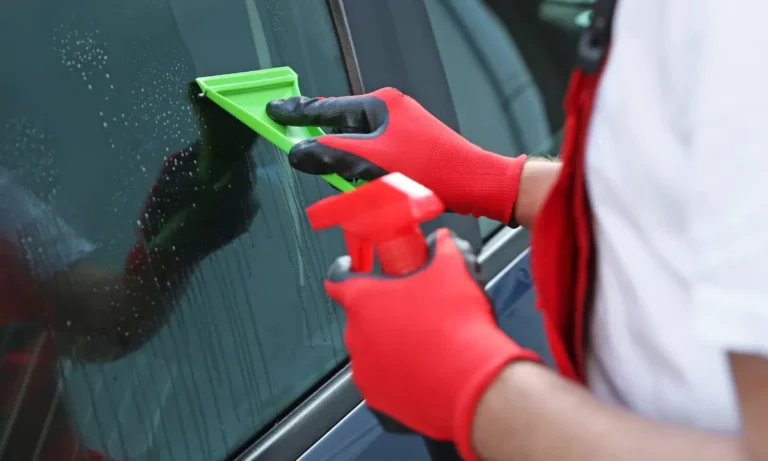
Even the best film cannot perform well if it is installed poorly. A proper installation ensures the film is stretched evenly, free of air bubbles, and firmly bonded to the paint. If the edges lift or the film isn’t aligned with the body panels, debris can slip beneath the film, reducing its strength. Skilled installers prep the car by decontaminating the surface, correcting paint defects, and applying the film in a controlled environment. This helps the film sit smoothly and last longer. A clean bond also means the film can absorb impacts efficiently, giving you better protection from road debris. Many car owners underestimate how much technique matters, but correct installation plays a significant role in preventing premature damage.
Why DIY PPF Kits Usually Fail
DIY kits appeal to many drivers because they promise a quick fix at a low price. However, most people realize later that DIY PPF is extremely hard to apply correctly. Without the right tools, lighting, and experience, the film tends to crease, trap dust, or mis-align with the body panels. The result is a patchy and weak installation that won’t survive real-world driving conditions. Cheap online films are usually thinner, less flexible, and prone to yellowing, especially under intense sun. Many customers end up removing the DIY film and seeking a professional redo. If your goal is absolute rock-chip protection, DIY kits won’t provide the strength or durability of professional-grade PPF.
Maintenance Tips to Keep PPF Working at Its Best
Taking care of PPF isn’t tricky, but following a few habits can significantly extend its usefulness. Regular washing helps prevent dirt from wearing down the film surface. Using car-safe shampoo and soft microfiber towels avoids scratching the top layer. Avoiding automatic brushes is vital because they can create marks on the film. If your film has a self-healing surface, exposing it to warm sunlight or warm water helps minor surface marks disappear. You should also avoid harsh chemicals or abrasive polishes, as they can compromise the clarity and smoothness of the film. With basic care, PPF stays clear and strong for many years, maintaining the new-car look.
How Long Does PPF Last When Properly Maintained
Professional-grade PPF typically lasts between 7 and 10 years, depending on driving habits and climate. Cars driven daily on highways or in dusty regions may experience slightly more wear, while city-driven cars often last a bit longer. Good maintenance can add years to the film’s lifespan. High-quality brands also resist UV fading, cracking, and peeling. Because PPF protects the original paint from rock chips, scratches, stains, and sun exposure, it also helps maintain resale value. Many buyers prefer vehicles with PPF installed because it shows that the owner took proper care of the car.
Signs You Should Replace Your PPF
Even a strong film eventually reaches the end of its life cycle. You may notice yellowing around the edges, reduced gloss, or areas where the film begins to lift. Small cracks or surface dryness are also early warnings. If rock chips start appearing more frequently, your movie may no longer absorb impacts as well as it used to. Replacing the film at the right time prevents long-term damage to the paint underneath. A trusted shop can evaluate whether your film needs replacement or just a repair in certain areas.
Choosing the Right PPF Installer
Finding the right installer is one of the most important decisions you will make for your car. Look for shops with substantial portfolios, certified installers, clean workspaces, and clear warranties. An installer who understands how to prepare the paint, align the film, and smooth out the surface will give you better results. Reading reviews, checking service photos, and asking about film options can help you make a wise decision. U.S. drivers face different road conditions from state to state, so it helps to choose a shop that understands these factors. Octint Solutions stands out because of its trained staff, high-quality film, and long-term service support, making it a reliable choice for rock chip protection.
Final Thoughts
Rock chips are among the most frustrating problems drivers face, especially for those who take pride in keeping their cars clean and sharp. PPF provides one of the strongest solutions to protect your paint and avoid costly repairs. With professional installation, proper care, and the right film, you can reduce damage and keep your vehicle looking newer for longer. For U.S. drivers seeking a dependable solution, Octint Solutions offers high-grade PPF services that protect your investment and enhance long-term appearance.
FAQs
1. Does PPF actually stop rock chips?
Yes, PPF absorbs the impact from small stones and debris, preventing most rock chips from reaching the paint. While it can’t stop every extreme impact, it dramatically reduces the risk.
2. How thick should PPF be for rock chip protection?
A film thickness of 6–8 mil is ideal. This range provides the flexibility and strength needed to handle daily road debris.
3. How long does PPF last before it needs replacement?
Quality PPF usually lasts 7–10 years with proper care. Its lifespan depends on driving habits, climate, and maintenance.
4. Can PPF be applied only to high-impact areas?
Yes, many drivers choose partial coverage, such as the hood, bumper, fenders, and mirrors. These areas take most of the damage from road debris.
5. Does PPF affect the look of my car?
No, a good installation keeps the film nearly invisible. It maintains the paint’s color and gloss while adding an extra layer of protection.