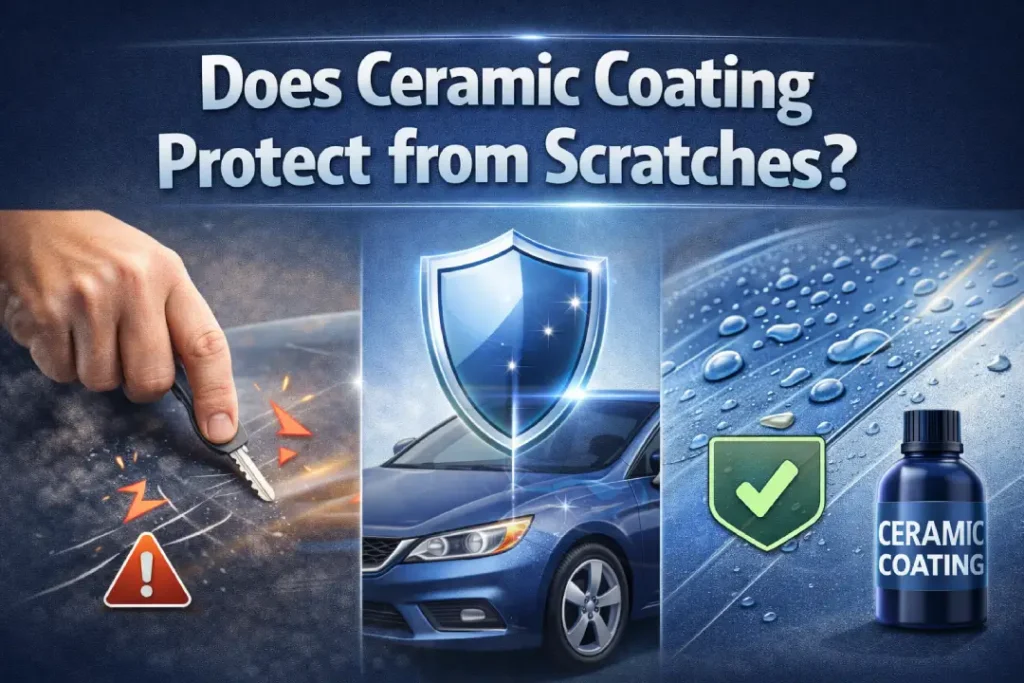
Car owners in California and Orange County know just how much the sun, road conditions, and even everyday use can impact the appearance of their vehicles. Over time, paint can fade due to harsh UV rays, dirt, and small abrasions from road debris. Among the various paint protection solutions, ceramic coatings have gained popularity for their ability to offer long-term protection. But while ceramic coatings provide various benefits, a common question arises: Does ceramic coating protect from scratches, or does it only shield against minor swirls?
Ceramic coatings protect minor swirls and light scratches but are not entirely scratch-proof. The coating acts as an additional protective layer that helps reduce the risk of damage from everyday abrasions, such as dirt or small road debris. However, it cannot fully protect against deep scratches or damage caused by sharp objects. While it improves the car’s ability to resist minor imperfections, it’s important to take precautions to avoid significant damage.
What’s in Ceramic Coating?
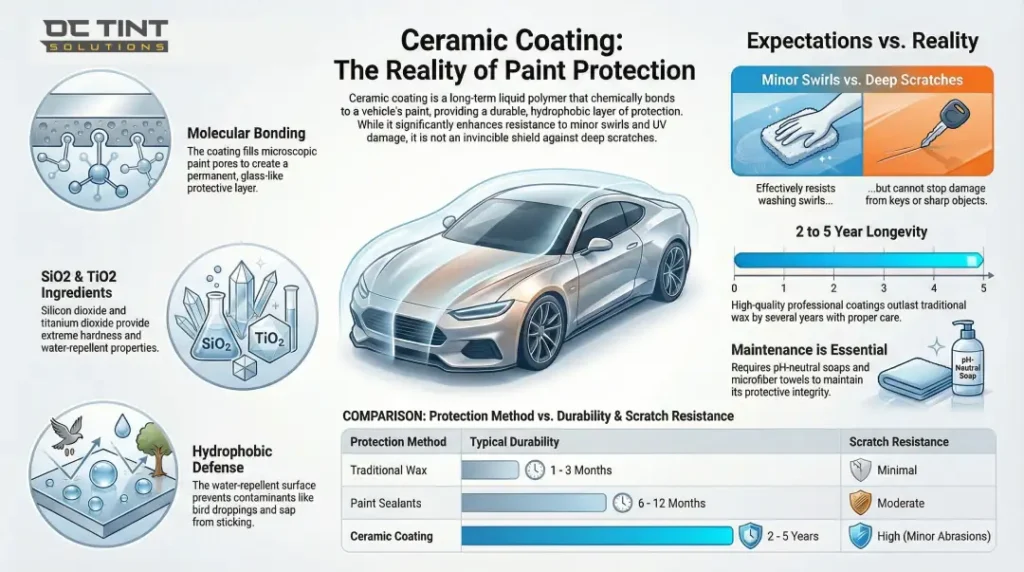
The primary ingredient in most ceramic coatings is SiO2 (silicon dioxide), which is derived from natural materials like sand and quartz. SiO2 is a key component because it is the substance responsible for the hydrophobic properties of the coating. Hydrophobic simply means “water-repellent,” which is a critical feature when it comes to protecting your car from water spots, bird droppings, and other contaminants that can damage the paint.
Aside from SiO2, ceramic coatings often contain other ingredients such as titanium dioxide (TiO2), which enhances the coating’s durability and hardness, and other proprietary elements that improve the overall performance. These ingredients work together to create a coating that adheres strongly to the vehicle’s surface and forms a tough, protective layer.
The inclusion of SiO2 not only makes the coating hydrophobic but also contributes to the scratch resistance of the paint. This makes it harder for dirt, grime, or debris to penetrate the surface. While it doesn’t make your vehicle’s paint completely scratch-proof, it significantly reduces the likelihood of minor abrasions and surface damage. The coating essentially acts as an added layer of protection that keeps your car looking cleaner, shinier, and more resistant to environmental factors.
How the Coating Bonds
One of the most important features of ceramic coating is how it bonds to the paint’s surface. Unlike wax or sealant, which simply sit on top of the car’s clear coat, ceramic coatings chemically bond with the paint on a molecular level. This bond is formed when the coating interacts with the car’s paint and fills in the tiny microscopic pores that are naturally present on the surface.
Think of the process like a “filling” that smooths out the car’s paint and provides a glass-like finish. Once the coating is applied and cured, it essentially becomes part of the surface, providing a stronger, more durable protective layer. This bond helps keep contaminants from adhering to the paint, as the surface is now smoother and more resistant to things like dirt, water, and road salts.
Additionally, the smoothness of the coating makes it more difficult for contaminants like tree sap or bird droppings to stick to the surface. When they do land on the vehicle, they can be cleaned off much easier, and the chances of staining or damage are significantly reduced.
How Ceramic Coating Works for Protection
Once applied, the ceramic coating creates a protective barrier that makes it harder for contaminants like dirt, bird droppings, and tree sap to stick to the paint. This layer also offers UV protection, reducing the harmful effects of the sun, which are notorious for fading and oxidizing paint over time.
While it’s not a magical solution that makes your car impervious to all damage, ceramic coating does provide a durable layer of defense against many common problems. As it repels water, it also helps to reduce water spots and swirl marks, making your car easier to maintain and clean.
Does Ceramic Coating Protect Against Scratches or Just Minor Swirls?
Ceramic coatings are often marketed as a solution for protecting car paint from scratches, but it’s important to understand the level of protection they actually provide. While ceramic coatings significantly enhance the scratch resistance of the vehicle’s paint, they are not completely scratch-proof.
Ceramic Coating and Scratch Resistance
The primary benefit of ceramic coatings when it comes to scratch resistance is that they create a harder surface layer than regular paint. This harder layer makes it more difficult for contaminants like dirt or small debris to scratch the surface. For instance, light abrasions caused by contact with road debris or from washing the car improperly are less likely to cause visible damage when the car has been coated with ceramic.
However, ceramic coatings are not designed to protect against deep scratches or severe damage. A ceramic coating can only do so much to protect the paint from heavy impacts or sharp objects. For example, if your car is keyed or if a sharp object comes into contact with the paint, the coating won’t prevent the scratch from occurring.
How Ceramic Coatings Resist Scratches
Ceramic coatings resist scratches in a way that makes them perfect for defending against light everyday wear and tear. When you apply a ceramic coating, it creates a stronger, smoother surface that reduces the appearance of swirl marks, which are commonly caused by improper washing or drying techniques. The coating acts as a buffer that makes the paint less prone to damage from minor abrasions.
The coating’s ability to repel dirt and water also plays a role in scratch resistance. Since contaminants are less likely to stick to the surface, your car is less likely to get scratched from grit or dirt being dragged across the paint during regular cleaning.
What They Can’t Do
While ceramic coatings offer excellent protection from light scratches and minor abrasions, they cannot defend against deep gouges or scratches caused by sharp objects. For example, if your car is scratched by a tree branch, a key, or any other sharp object, the ceramic coating won’t be able to prevent the damage from occurring. The coating’s protection is only effective when dealing with surface-level abrasions or light contact.
What Types of Scratches Can Ceramic Coating Resist?
Ceramic coatings are most effective at resisting the following types of scratches:
- Swirl Marks: Often caused by improper washing or drying techniques, swirl marks are light scratches that can be minimized with the protection of a ceramic coating.
- Light Scratches: Minor abrasions that occur from things like brushing against a bush or light contact with other surfaces are less likely to damage a ceramic-coated vehicle.
However, it’s important to set realistic expectations. Ceramic coatings do not provide an impervious shield against all types of scratches. While they make your car more resistant to light damage, deep scratches and severe impacts will still leave marks on the paint. For professional installation and expert advice, OC Tint Solutions is here to help. Contact us for a consultation and enjoy the benefits of quality window tinting.
Ceramic Coating vs. Other Paint Protection Methods: Scratch Resistance Comparison
Ceramic Coating vs. Waxing
Waxing is a traditional method used for car paint protection, but it doesn’t offer the same level of scratch resistance as ceramic coating. Here’s how they compare:
- Durability: Wax wears off after a few weeks or months, leaving the paint unprotected. In contrast, ceramic coatings provide long-lasting protection that can last 2-5 years with proper maintenance.
- Scratch Resistance: While wax does provide some protection, it is much less effective than ceramic coatings at resisting scratches. Ceramic coatings offer superior scratch resistance, particularly against light scratches and swirl marks.
- UV Protection: Wax provides minimal UV protection, while ceramic coatings offer excellent UV defense, preventing paint fading and oxidation caused by sun exposure.
Ceramic Coating vs. Paint Sealants
Paint sealants are another form of protection that is often compared to ceramic coatings. However, ceramic coatings have several advantages:
- Scratch Protection: Paint sealants provide some level of protection against scratches, but they do not offer the same durability or scratch resistance as ceramic coatings.
- Water and Contaminant Repellency: Ceramic coatings excel in hydrophobicity, meaning they repel water and contaminants far better than paint sealants, keeping the paint cleaner and less susceptible to damage.
- Longevity: Paint sealants last 6-12 months, whereas ceramic coatings can last up to 5 years with proper care, making them a more cost-effective long-term solution for paint protection.
Why Ceramic Coatings Provide Better Scratch Protection
The advanced technology behind ceramic coatings gives them a harder surface compared to traditional wax or sealant. The layer formed by ceramic coatings adds more durability to your car’s paint, making it more resistant to minor scratches, swirl marks, and other common wear-and-tear marks. This makes ceramic coatings a far better option if you’re looking for long-lasting, durable protection for your vehicle’s exterior. If you are concerned about road debris on California highways, a ceramic coating isn’t enough; you need Paint Protection Film (PPF), which features ‘self-healing’ properties that make actual scratches disappear with heat.
How Long Does Ceramic Coating Protect Against Scratches and Swirls?
One of the most appealing aspects of ceramic coatings is their ability to provide long-lasting protection to your vehicle’s paint. However, many car owners often wonder how long this protection lasts, particularly in terms of scratch resistance and protection from swirl marks. Ceramic coatings are not a one-time application; the longevity of the protection depends on several factors, including the quality of the coating, the maintenance practices, and the environmental conditions the vehicle is exposed to. Ceramic coatings are designed to provide long-term protection for a vehicle’s paint, but how long they last before requiring reapplication can vary significantly based on a few key factors.
Quality of the Coating
The quality of the ceramic coating plays a major role in determining how long it will last and how effectively it protects the car’s paint. High-quality coatings, especially those applied by professionals, typically last 2 to 5 years. These coatings are designed to withstand environmental elements like UV rays, water, dirt, and even light abrasions.
On the other hand, cheaper ceramic coatings, often available as DIY kits, may not offer the same level of durability. These products may require reapplication after a year or two because they don’t form the same strong bond with the vehicle’s surface as high-quality coatings. In most cases, budget ceramic coatings offer less scratch resistance and may degrade more quickly with frequent exposure to harsh conditions. While DIY kits are available, achieving a true 9H hardness bond requires professional-grade products and environment; explore our ceramic coating services to see how we provide a showroom finish that lasts for years.
Maintenance
Regular maintenance is crucial for extending the life of a ceramic coating and its effectiveness. While ceramic coatings can last for several years, their protective properties will only remain intact with proper care.
- Washing: Regular washing with pH-neutral car shampoo helps prevent the buildup of dirt, grime, and other contaminants on the surface of the car, which can wear down the coating over time. It’s essential to avoid harsh soaps, which can strip away the protective layer of the coating.
- Drying: Using a microfiber towel to dry the car will help prevent water spots, which can lead to long-term damage. Excessive exposure to water spots, especially if they’re allowed to sit for long periods, can deteriorate the coating.
- Avoiding Harsh Chemicals: Always use gentle cleaning products specifically designed for vehicles with ceramic coatings. Harsh chemicals or abrasive cleaning products can wear down the coating prematurely and reduce its ability to protect against scratches and swirls.
Environmental Factors
Where you live and how frequently your car is exposed to harsh environmental factors will also influence the longevity of the ceramic coating. In areas with intense sun, like California, UV rays can break down the coating over time, even though ceramic coatings offer UV protection. The more often your vehicle is exposed to rain, salt, and pollutants, the quicker the coating may degrade. The ‘9H’ label seen on premium coatings refers to the Standard Test Method for Film Hardness, a standardized method used to measure a film’s resistance to being scratched by the hardest grade of graphite pencil.
Myths About Ceramic Coatings and Scratch Protection
There are several myths surrounding ceramic coatings, especially when it comes to their ability to protect from scratches. Let’s take a closer look at some of these misconceptions and clarify what ceramic coatings can and can’t do.
Myth #1: Ceramic Coating Makes Your Car Scratch-Proof
One of the biggest misconceptions about ceramic coatings is that they make your car completely scratch-proof. While ceramic coatings do add a layer of protection against minor scratches and swirl marks, they cannot fully prevent deeper scratches caused by sharp objects or heavy impacts. If you brush against something sharp, like a bush branch or a car door, the coating cannot stop it from leaving a visible scratch.
Myth #2: Ceramic Coating Prevents All Swirl Marks
Another common myth is that ceramic coatings eliminate swirl marks. While ceramic coatings do help to minimize swirl marks by creating a smooth, slick surface, they do not prevent them entirely. Swirl marks are often caused by improper washing or drying techniques, so while ceramic coatings can help reduce the occurrence, they are not a complete cure.
Myth #3: Ceramic Coatings Are Maintenance-Free
Ceramic coatings are low-maintenance compared to traditional waxes or sealants, but they are not completely maintenance-free. Regular cleaning and the occasional application of ceramic sprays or reapplication of the full coating are still necessary to keep the coating performing optimally. Neglecting to properly care for the coating can cause its protective properties to degrade, reducing its effectiveness against scratches and environmental damage.
Frequently Asked Questions
1. Can ceramic coating prevent deep scratches?
No, ceramic coatings can protect against light scratches and minor abrasions, but they cannot prevent deep scratches caused by sharp objects or heavy impacts.
2. How long does ceramic coating last for scratch protection?
Ceramic coatings typically last 2-5 years with proper care and maintenance, providing long-term protection against minor scratches and swirl marks. The longevity depends on factors like driving conditions, maintenance, and the quality of the product used.
3. How can I maintain the scratch resistance of my ceramic coating?
To maintain the scratch resistance of your ceramic coating, follow proper washing techniques (using pH-neutral shampoo and microfiber towels), avoid harsh chemicals, and apply ceramic spray detailers periodically to refresh the hydrophobic layer.
4. Does ceramic coating eliminate swirl marks?
While ceramic coatings reduce the appearance of swirl marks and protect against light abrasions, they cannot eliminate swirl marks, especially if improper washing techniques are used.
5. Is ceramic coating worth the investment for scratch protection?
Yes, ceramic coatings are a worthwhile investment for those looking to protect their car’s paint from light scratches, swirl marks, and environmental contaminants. They offer superior protection compared to traditional waxes and sealants, making them a cost-effective solution in the long run.
Conclusion: Ceramic Coating and Scratch Protection – Is It Worth It?
Ceramic coatings are a highly effective solution for protecting your car’s paint from minor scratches, swirl marks, and environmental contaminants. They provide superior protection compared to traditional methods like waxing or paint sealants, offering long-lasting durability and scratch resistance. However, it’s important to remember that while ceramic coatings significantly reduce the risk of scratches, they do not make your car scratch-proof.
For those in Orange County and California, OC Tint Solutions offers professional ceramic coating services, ensuring that your vehicle gets the protection it deserves. Whether you’re looking to preserve your car’s finish or simply want easier maintenance, our team can help.