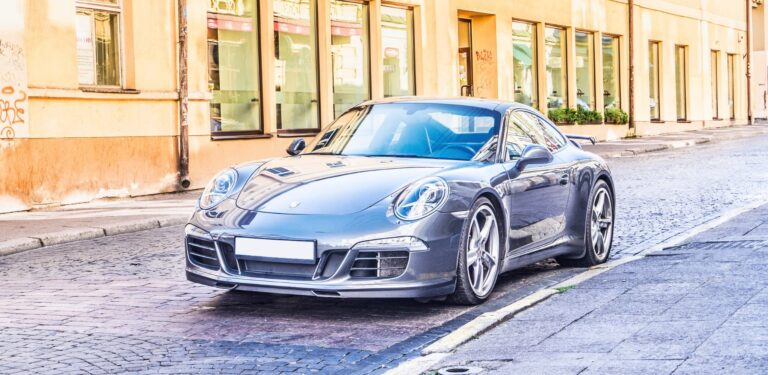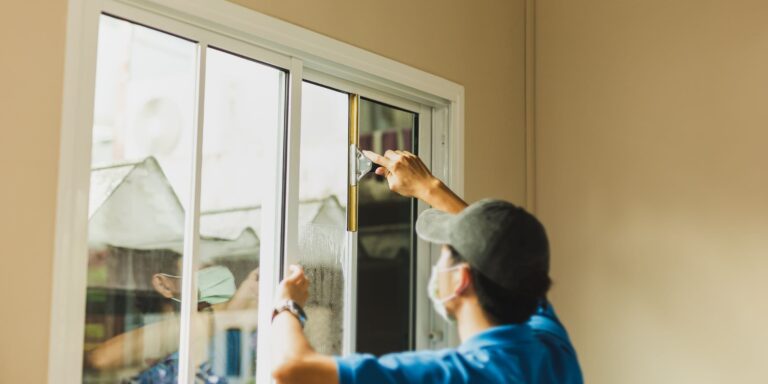
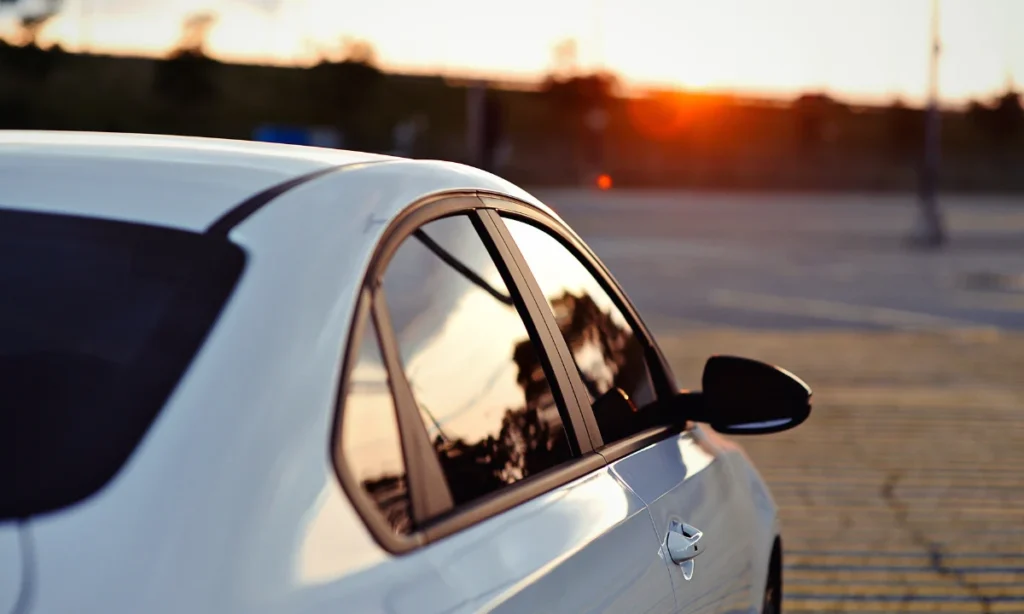
Orange County sun can be tough on your car, your home, your office, and your skin. If your vehicle feels hot after sitting outside, your furniture is starting to fade, or sunlight keeps hitting your face while you drive or work near a window, the glass around you may not be giving enough protection. That is where window tint for UV protection becomes a smart upgrade. The right window film can help reduce harmful ultraviolet rays, slow down interior fading, cut glare, improve comfort, and still let you enjoy natural light. For drivers, homeowners, and business owners in Anaheim, Costa Mesa, and across Orange County, professional window tinting is a practical way to protect the spaces you use every day without changing the way you live or drive. We will tell you how UV protection window tint works, why it matters, and how it helps protect cars, homes, offices, furniture, flooring, dashboards, upholstery, and daily comfort.
What Is Window Tint for UV Protection?
Window tint for UV protection is a thin film applied to glass to help reduce ultraviolet radiation entering through windows. It is used on car windows, residential windows, office glass, storefronts, and other glass surfaces exposed to sunlight. Many quality films are made with layered polyester film and UV-blocking technology. Some films are dark, some are neutral, and some are almost clear, which means UV protection does not always require a dark window.
The main purpose of UV protection window tint is to filter out UVA and UVB rays before they pass through the glass. Depending on the film type, it may also help reduce infrared heat, visible glare, and interior fading. This makes it useful for Orange County drivers dealing with hot cabins, homeowners with sun-facing rooms, and businesses with bright storefront glass.
Window tint can support several goals at once:
- Reduce UV exposure through glass
- Help protect vehicle interiors
- Help slow furniture and flooring fading
- Improve comfort in cars, homes, and offices
- Reduce glare from strong sunlight
- Support energy efficiency when solar heat control is included
- Add privacy depending on film shade and reflectivity
- Keep a cleaner, more polished glass appearance
Window Tint vs UV Window Film
People often use the terms window tint and UV window film as if they mean the same thing, but there is a small difference in how these terms are usually used. “Window tint” is more common in the automotive industry. If someone says they need car window tint, Tesla tint, or ceramic tint, they are usually talking about window film installed on a vehicle. “Window film” is more common for homes, offices, and commercial buildings.
The product itself is similar in concept. A thin film is applied to glass to improve performance. The film may provide UV protection, heat reduction, glare control, daytime privacy, security support, or a mix of these benefits. The real difference is the film type, installation method, glass surface, and the purpose of the project.
For example, a driver in Anaheim may want ceramic automotive window tint to reduce cabin heat, protect the dashboard, and improve driving comfort. A homeowner in Costa Mesa may want clear UV film to protect hardwood floors and furniture without making the living room dark. A business owner in Orange County may want commercial solar window film to reduce glare on screens and help protect displays near storefront windows.
Does Standard Window Glass Already Block UV Rays?
Standard glass can block some UV rays, but it does not always provide full protection from the sunlight that matters most indoors and inside vehicles. Many types of regular window glass reduce a large amount of UVB rays, which are often linked with sunburn. However, UVA rays can still pass through many glass surfaces. UVA rays are a concern because they are linked with long-term sun exposure, premature skin aging, and surface damage over time.
This is why people can still experience sun exposure while driving, sitting beside a bright office window, relaxing near a patio door, or working in a sunny home office. You may not feel a sunburn through glass the same way you would outside, but your skin, dashboard, furniture, floors, and fabrics can still be exposed to sunlight every day.
In Orange County, this matters even more because sunny weather is part of daily life. Cars sit in parking lots. Homes get strong afternoon sun. Storefronts face long hours of direct light. Offices with large windows can become uncomfortable during peak sun hours. UV protection window tint helps reduce that exposure without requiring window replacement.
How UV-Blocking Window Film Works
UV-blocking window film works by adding a protective layer to the glass. This layer helps filter ultraviolet radiation before it enters the vehicle, home, office, or commercial space. Depending on the film, it may use UV absorbers, special coatings, ceramic particles, carbon layers, metalized layers, or advanced solar control technology to improve performance.
Most professional-grade films are made with polyester film because it is clear, flexible, durable, and suitable for glass applications. The film is installed directly on the inside surface of the glass after the window is cleaned and prepared. Once installed, the film becomes a working barrier between the sun and the space behind the glass.
A good UV protection film may help with more than one issue:
| Performance Feature | What It Means | Why It Matters |
| UV protection | Reduces UVA and UVB rays | Helps lower UV exposure and slow fading |
| Infrared heat rejection | Reduces heat-producing solar energy | Helps improve comfort inside cars and rooms |
| Glare reduction | Cuts harsh visible brightness | Helps with driving, screens, TVs, and workspaces |
| VLT | Measures how much visible light passes through | Helps choose lighter or darker film |
| Privacy | Limits outside visibility depending on film | Useful for vehicles, offices, and storefronts |
| Clarity | Keeps the view clean and natural | Important for homes, offices, and premium vehicles |
The important point is that UV protection is one part of window film performance. A film can block UV rays, but it may not be the strongest option for heat. Another film may reduce heat very well, but look too reflective for a certain home or office. That is why professional film selection matters. OC Tint Solutions can help customers compare film options based on UV protection, heat control, glare, privacy, appearance, and California vehicle tint rules.
UVA Rays, UVB Rays, and Why Both Matter
Ultraviolet radiation is usually discussed in two main types that affect people and interiors: UVA rays and UVB rays. UVB rays are often linked with sunburn because they affect the outer layer of the skin. UVA rays can travel deeper and are linked with long-term sun exposure and premature skin aging. Both matter because they can contribute to skin damage and can also play a role in fading and material breakdown.
For vehicles, this can mean the driver’s side of the cabin receives steady sun exposure during daily commutes. Over time, dashboards, leather seats, steering wheels, and door panels can fade, dry out, or crack. For homes, UVA exposure can affect furniture, rugs, floors, curtains, and artwork placed near bright windows. For offices and storefronts, sunlight can affect desks, chairs, product displays, signage, and merchandise.
Window tint is not a replacement for sunscreen, UV-blocking sunglasses, hats, or other sun protection habits. A safer way to describe it is this: quality UV window film helps reduce UV exposure through glass and can be part of a broader sun protection approach. This keeps the message accurate, useful, and trustworthy.
UV Protection Is Not the Same as Heat Rejection
Many people think UV protection, heat rejection, glare control, and privacy are the same thing. They are related, but they are not the same. This is one of the most important points to understand before choosing window tint. UV protection refers to how well the film blocks ultraviolet rays. Heat rejection refers to how well the film reduces heat from the sun, especially infrared heat. Glare reduction refers to how well the film cuts harsh brightness. Privacy depends on how dark, reflective, or tinted the film looks from the outside.
| Feature | Main Job | Example Customer Need |
| UV protection | Blocks ultraviolet rays | Protect skin, furniture, dashboards, and upholstery |
| Heat rejection | Reduces solar heat | Keep car cabins, rooms, or offices cooler |
| Glare reduction | Controls bright light | Improve driving comfort or reduce screen glare |
| Privacy | Limits visibility | Add privacy in vehicles, offices, or storefronts |
| VLT | Controls visible light level | Choose a light, medium, or dark tint look |
This is why a clear UV protection film can still block UV rays even if it does not look dark. It is also why ceramic tint is often recommended for vehicles and premium glass applications. Ceramic tint can offer strong UV protection while also helping with infrared heat rejection, glare control, and clear visibility.
Benefits of Window Tint for UV Protection
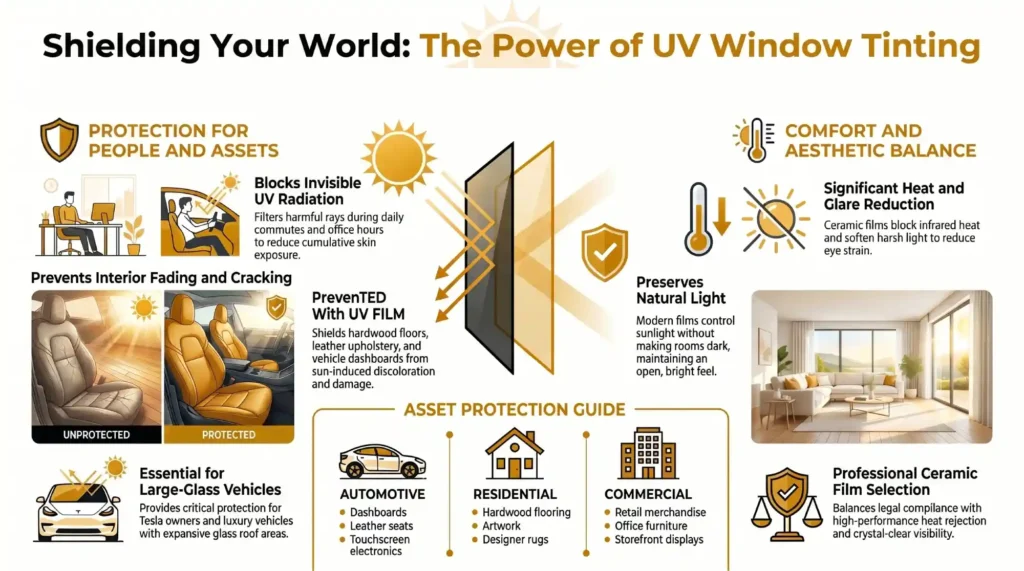
Window tint for UV protection gives value in several ways. It helps protect people, interiors, materials, and comfort. For Orange County customers, these benefits can be especially useful because vehicles, homes, and commercial buildings are exposed to strong sunlight for much of the year. The biggest benefit is that UV-blocking film helps reduce the amount of ultraviolet radiation passing through glass. That matters inside a vehicle, inside a living room, inside an office, and inside a storefront. Over time, daily exposure can affect surfaces, fabrics, leather, wood, paint, flooring, and even how comfortable a space feels during sunny hours.
Automotive tinting can help protect a vehicle and make driving more comfortable. Residential tinting can help protect home interiors while keeping natural light. Commercial tinting can help businesses improve comfort, reduce glare, and protect displays or office furniture. The right film depends on the glass, the location, and the customer’s goal.
Helps Reduce UV Exposure Inside Cars, Homes, and Offices
UV exposure through glass can happen during normal daily routines. A person driving through Orange County traffic, sitting beside a sunny home window, or working near office glass may receive sunlight through the same window day after day. This type of exposure can feel harmless because it happens indoors or inside a vehicle, but it can still add up over time.
UV protection window film helps reduce that exposure by filtering ultraviolet rays before they enter the space. In cars, this can help drivers and passengers feel more protected during commutes, errands, school drop-offs, and long freeway drives. In homes, it can help reduce sunlight exposure in rooms where people spend a lot of time. In offices, it can support a more comfortable work area for employees sitting near bright windows.
This benefit is useful for:
- Daily drivers
- Families with children in the back seat
- Tesla owners with large glass areas
- Homeowners with sunny living rooms
- People working from home near a window
- Office teams sitting beside large glass panels
- Retail stores with sun-facing storefronts
The goal is not to make medical promises. The goal is to reduce unnecessary UV exposure through glass and make everyday spaces more comfortable and protected.
Helps Protect Furniture, Flooring, and Window Treatments From Fading
Fading is one of the most common reasons homeowners and business owners look for UV window film. Sunlight can slowly change the color and finish of materials. A couch near a large window may start to lose color. Hardwood floors may develop uneven tones. Curtains may fade on the side facing the sun. Artwork and framed prints may lose their original look. Store displays can also be affected if products sit near bright glass all day.
UV rays are a major cause of fading, but they are not the only cause. Visible light and solar heat can also contribute to fading and material wear. This is why quality solar window film can be a smart choice. It helps reduce UV rays, and depending on the film type, it can also reduce heat and visible glare.
Common home and business items that benefit from UV protection include:
- Sofas and chairs
- Leather furniture
- Hardwood flooring
- Rugs and carpets
- Curtains and blinds
- Artwork and photos
- Retail merchandise
- Office furniture
- Window treatments
- Decorative fabrics
- Product displays
For Orange County homes with large glass doors, sun-facing windows, or rooms that receive afternoon light, residential window tinting can help protect interior finishes without blocking the open, bright feel of the space.
Helps Protect Vehicle Interiors
Vehicle interiors take a lot of abuse from the sun. In Southern California, cars often sit in driveways, parking lots, shopping centers, office parking areas, and beach lots for hours. Sunlight passes through the glass and hits the dashboard, seats, steering wheel, center console, and door panels. Over time, this can lead to fading, drying, cracking, and discoloration.
Automotive window tint helps reduce UV exposure inside the vehicle. It can help protect:
- Dashboards
- Leather seats
- Fabric seats
- Door panels
- Steering wheels
- Center consoles
- Rear deck areas
- Upholstery stitching
- Interior trim
- Touchscreen areas from harsh glare
This is especially helpful for vehicles with dark interiors, luxury finishes, or large glass surfaces. Tesla vehicles are a strong example because many models have large windows and glass roof areas that can increase sun exposure and cabin heat. Ceramic tint is often a strong option for these vehicles because it supports UV protection, heat reduction, and clear visibility without creating a low-quality reflective look.
For drivers in Anaheim, Costa Mesa, Irvine, Newport Beach, Huntington Beach, and other Orange County areas, professional automotive tinting is more than a style upgrade. It helps protect the vehicle’s interior value and improves comfort during daily use.
Improves Comfort by Reducing Heat and Glare
UV protection is important, but many customers also want less heat and less glare. Orange County drivers know how uncomfortable a parked car can feel after sitting in the sun. Homeowners know how one bright room can become hard to use during afternoon hours. Office workers know how glare on computer screens can make work frustrating. The right window film can help improve comfort by reducing solar heat and harsh brightness. Ceramic tint and solar window film are especially useful when heat rejection is a major concern. These films can help reduce the amount of infrared heat entering through glass, which can make a car cabin, living room, or office feel more comfortable.
Glare reduction also matters. Strong sunlight can make it harder to see while driving. It can wash out TV screens at home. It can create eye strain in offices. Window tint helps soften that harsh light so the space feels easier to use.
Comfort benefits may include:
- Cooler vehicle cabins
- Less steering wheel and seat heat
- Reduced screen glare in offices
- More usable sunny rooms at home
- Better comfort near large windows
- Less need to close blinds during the day
- Improved driving visibility during bright hours
Maintains Natural Light With the Right Film
A common concern is that window tint will make a car, home, or office too dark. That can happen if the wrong film is chosen, but modern window films offer many options. Clear UV window film, neutral solar film, and ceramic tint can help protect while keeping the glass clean and natural-looking. This matters for homes and commercial spaces because most people do not want to lose the open feel of natural light. A bright living room, showroom, office, or storefront should still feel welcoming. The goal is to control the sunlight, not remove it completely.
For vehicles, lighter ceramic films can help drivers get UV protection and heat control while keeping visibility and a clean factory-style appearance. This is especially important for front-side windows and windshields, where California tint rules need to be considered.
Good film selection can help balance:
- UV protection
- Natural light
- Clear visibility
- Heat rejection
- Glare control
- Privacy
- Exterior appearance
- Interior comfort
- Legal compliance for vehicles
This is why professional installation matters. A trained installer can help explain the difference between clear UV film, ceramic tint, carbon tint, reflective film, and darker privacy film. The best choice is the one that fits the glass, the property, the vehicle, and the customer’s daily use.
Best Types of Window Tint for UV Protection
Choosing the right window tint depends on what you want the film to do. Some people want maximum UV protection with a nearly clear appearance. Others want strong heat rejection window tint because their car or room gets too hot. Some business owners care more about glare, daytime privacy, or protecting merchandise near storefront glass. The best film is the one that matches the surface, location, and daily use.
For Orange County customers, the choice often comes down to sun exposure, comfort, and appearance. A car parked outside in Anaheim may need a different film than a coastal storefront in Costa Mesa. A Tesla with large glass areas may need a premium ceramic film, while a home with large living room windows may need a clear or neutral solar film that keeps the room bright. This is why film selection should be based on more than darkness alone.
Ceramic Tint
Ceramic tint is one of the strongest options for people who want UV protection, heat rejection, glare control, and a clean appearance. It uses ceramic-based technology instead of metal layers, which helps it reduce sunlight without creating a shiny, mirror-like look. It is also popular for vehicles because it usually does not interfere with GPS, cell signals, Bluetooth, or other electronics the way some metallized films can. For cars, ceramic tint is often a premium choice because it helps reduce cabin heat, protects the dashboard and upholstery, and keeps the glass looking clean. It can also be useful for Tesla vehicles because large glass areas can allow more sunlight into the cabin. A quality ceramic film can make daily driving more comfortable while helping protect the interior from long-term sun exposure.
Ceramic tint is a good fit for:
- Daily drivers in sunny areas
- Tesla vehicles and cars with large glass roofs
- Luxury vehicles with leather interiors
- Drivers who want heat reduction without a reflective look
- Customers who want UV protection with strong clarity
- People who want signal-friendly automotive window tint
Clear UV Film
Clear UV film is a good option when the customer wants UV protection but does not want the glass to look tinted. This type of film is useful for homes, offices, storefronts, and certain vehicle applications where a darker shade is not desired. It can help reduce ultraviolet rays while preserving natural light and the original look of the glass. Homeowners may choose clear UV film for living rooms, bedrooms, sliding glass doors, or windows near furniture and flooring. Business owners may choose it for storefronts where product visibility matters. Drivers may consider clear UV film for certain glass areas where a darker film is not preferred or where legal visibility is a concern.
Clear UV film is a good fit for:
- Homeowners who want sunlight without UV damage
- Storefronts that need product visibility
- Offices that want protection without a dark glass look
- Rooms with artwork, flooring, or furniture near windows
- Vehicles where a lighter appearance is preferred
- Customers focused on UV protection over privacy
The main strength of clear UV film is balance. It helps protect against UV exposure while keeping the space bright and open. For Orange County homes and businesses, that matters because many properties are built to enjoy natural light.
Carbon Window Tint
Carbon window tint is often seen as a solid middle option between basic dyed tint and premium ceramic tint. It gives a clean appearance, helps reduce UV exposure, and can offer better durability than low-cost dyed films. Carbon tint is also less reflective than metallized film, which makes it a good option for customers who want a smooth, modern look. For vehicles, carbon tint can improve comfort and appearance without the higher cost of ceramic tint. It may not reject heat as strongly as premium ceramic film, but it can still be a practical choice for many drivers. For customers who want reliable UV protection, a good look, and a reasonable budget, carbon film can make sense.
Carbon tint is a good fit for:
- Drivers who want better quality than basic dyed tint
- Customers who want a clean, non-reflective appearance
- Vehicles that need UV protection and moderate comfort improvement
- People who want a balance between cost and performance
- Cars with interiors that need added sun protection
A professional installer can help compare carbon and ceramic tint side by side so the customer understands the difference in heat rejection, clarity, warranty, and long-term performance.
Metallized and Reflective Tint
Metallized and reflective films use metal-based layers to help reflect solar energy. These films can be effective for glare reduction, heat control, and daytime privacy, especially on certain residential and commercial glass surfaces. Reflective films can also give buildings a more private appearance during daylight hours. However, reflective film is not the right choice for every project. On vehicles, metallized film may affect GPS, cell signals, radio reception, or other electronics. On homes or storefronts, reflective film may change the outside appearance of the glass. Some customers like that look, while others prefer a neutral or clear film.
Metallized and reflective films may work well for:
- Commercial buildings with strong sun exposure
- Office windows with glare issues
- Storefronts needing daytime privacy
- Rooms that receive harsh afternoon sunlight
- Customers who want more solar heat control
- Buildings where a reflective appearance fits the design
Before choosing reflective film, it is important to think about appearance, visibility, glass type, and the purpose of the space. For many Orange County commercial properties, reflective film can be useful, but it should be selected carefully.
Static-Cling Window Film
Static-cling window film is usually a temporary or DIY-friendly option. It does not use the same permanent adhesive method as professional window film, so it can often be removed more easily. Some homeowners use it for rentals, small windows, privacy needs, or short-term sun control. The downside is that static-cling film is usually not the best choice for long-term performance. It may not look as clean, last as long, or provide the same level of clarity and warranty support as professionally installed film. It can also be harder to get smooth results on larger glass areas.
Static-cling film may be useful for:
- Temporary home use
- Rental spaces
- Small bathroom windows
- Short-term privacy
- Low-budget projects
- DIY testing before choosing professional film
For vehicles, professional film is usually the better choice. Automotive glass has curves, edges, legal requirements, and visibility needs that make proper installation more important.
Will UV Window Film Make My Home Too Dark?
UV window film does not have to make your home dark. Many homeowners avoid tint because they think it will make rooms feel closed off or shaded all day. That depends on the film type. Clear UV film and neutral solar film can reduce UV exposure while keeping the room bright and natural-looking.
A darker or reflective film may be useful in some cases, especially when privacy or glare control is the main goal. But for many homes, a lighter film is enough to improve comfort and protect interiors without changing the look of the room too much.
The best choice depends on:
- How much sunlight enters the room
- Whether heat or fading is the main issue
- How much natural light do you want to keep
- Whether privacy is important
- The direction the windows face
- The type of glass
- The look of the home from the outside
We can help Orange County homeowners choose a film that fits the home instead of using a one-size-fits-all product.
How to Choose the Best Window Tint for UV Protection
Selecting the right window tint involves understanding what you need from the film and the space it will be applied to. UV protection alone is important, but other factors such as heat rejection, glare reduction, privacy, and the appearance of the film also play a role. Choosing the wrong film can reduce performance, affect visibility, or create dissatisfaction. Orange County homes, businesses, and vehicles experience strong sunlight year-round, so it’s important to match the film to the environment and usage.
Check the UV Rejection Rating
Every window film has a UV rejection percentage that tells you how much ultraviolet light it blocks. Premium films often block 99% or more of UVA and UVB rays, which is ideal for protecting interiors and passengers. Lower-quality films may block only a portion of UV, leaving dashboards, upholstery, flooring, furniture, or artwork more exposed. Always verify the manufacturer’s specifications before purchasing.
Understand Visible Light Transmission (VLT)
VLT measures how much visible light passes through the film. A higher VLT percentage means the film appears lighter and lets in more natural sunlight. A lower VLT results in a darker tint. For homes and offices, moderate to high VLT films maintain brightness while protecting interiors. For vehicles, the choice may be limited by California tint laws, which set maximum darkness levels for front side windows and windshields. Professional guidance ensures legal compliance and optimal comfort.
Compare Infrared Heat Rejection
UV protection focuses on ultraviolet light, but heat can still enter through the glass via infrared rays. Many premium films, such as ceramic or metallized films, are designed to reject a portion of infrared heat, reducing interior temperatures. This makes spaces more comfortable and may reduce energy costs for cooling systems. It’s important to understand that not all UV protection films also provide high heat rejection, so your choice should reflect the intended benefit.
Choose the Right Appearance
Film appearance can impact both aesthetics and functionality. Options include:
- Clear UV film: Almost invisible, maintains natural light, reduces fading.
- Neutral ceramic or carbon film: Provides UV protection and some heat reduction without a reflective look.
- Reflective or metallized film: Reduces glare and provides daytime privacy, but may slightly alter exterior appearance.
- Darker privacy film: Provides strong glare reduction and privacy but can make rooms or vehicles look darker.
We can help match the film type to your vehicle, home, or commercial glass for the desired balance of protection, light, and appearance.
Ask About Warranty and Film Life
Quality films come with warranties that cover bubbling, peeling, adhesive failure, or discoloration. Professional installation is critical to ensure the film adheres properly and lasts according to the warranty. Film life depends on material quality, installation technique, sun exposure, and proper maintenance. For Orange County customers, professional installation helps maximize the lifespan of the window tint.
Match the Film to the Glass Type
Different types of glass behave differently when tinted. Automotive glass, residential windows, and commercial glass all have unique properties:
- Automotive glass: Curved surfaces, sunroof, laminated windshield, side and rear windows.
- Residential glass: Single-pane, double-pane, tempered, or laminated windows.
- Commercial glass: Large storefronts, curtain walls, glass office partitions, and skylights.
Choosing the right film for the specific glass type ensures better adhesion, clarity, and UV protection.
Common Myths About Window Tint and UV Protection
Many people have misconceptions about window tint. Addressing these myths helps homeowners, drivers, and business owners make informed decisions and builds trust. Here are the most common misunderstandings:
Myth 1: Darker Tint Always Means Better UV Protection
While a darker film may block more visible light, it does not automatically provide better UV protection. Some clear or light films can block 99% of UVA and UVB rays while keeping the glass light and natural-looking. The level of UV protection depends on the film’s material and UV rating, not its darkness.
Myth 2: Factory Glass Gives Enough Protection
Some people assume that the glass built into their vehicle or home already blocks all harmful UV rays. While some factory glass reduces UVB, UVA can still pass through. Professional UV window film adds another layer of protection to help slow fading, protect furniture and dashboards, and reduce incidental sun exposure.
Myth 3: UV Protection and Privacy Are the Same
UV protection focuses on filtering ultraviolet light. Privacy depends on the darkness, reflectivity, or opacity of the film. Some clear films offer strong UV protection without altering visibility, whereas darker or reflective films may improve privacy but not necessarily increase UV protection.
Myth 4: Window Tint Always Blocks Natural Light
Some people worry that adding window tint will make their space dark. Modern films are designed to allow natural light in while reducing UV exposure. Clear, neutral, and ceramic options maintain brightness while protecting interiors, which is especially important for homes, offices, and commercial spaces in Orange County.
Myth 5: All Window Films Perform the Same
Not all window films are created equal. Differences in material, UV rejection, visible light transmission (VLT), heat rejection, clarity, and installation quality can greatly affect performance. Choosing the right film and professional installation ensures long-lasting protection and the expected benefits.
Professional Window Tint for UV Protection in Orange County
OC Tint Solutions provides expert installation for automotive, residential, and commercial window tint. The team helps clients select the right film based on sun exposure, glass type, appearance preferences, and performance goals. Professional installation ensures:
- Clean, bubble-free application
- Correct film type for specific needs
- Compliance with California vehicle tint laws
- Optimal UV protection, heat reduction, and glare control
- Longevity and warranty support
Services include:
- Automotive window tinting (including Tesla and luxury vehicles)
- Residential window tinting for homes, sliding glass doors, and sun-facing rooms
- Commercial window tinting for offices, storefronts, and large glass areas
- Ceramic tint, carbon tint, reflective film, clear UV film, and static-cling options
Professional advice helps Orange County drivers, homeowners, and businesses choose a film that balances protection, clarity, comfort, and legal compliance.
Final Takeaway
Window tint for UV protection is a practical solution for Orange County drivers, homeowners, and business owners. It helps reduce UV exposure, protect interiors, improve comfort, and preserve natural light. The right film depends on the glass type, sunlight exposure, desired appearance, privacy, and performance goals. OC Tint Solutions offers professional automotive, residential, and commercial window tinting in Anaheim, Costa Mesa, and the surrounding Orange County areas. With expert guidance, high-quality films, and clean installation, you can enjoy the full benefits of UV protection for your car, home, or office.
Ready to protect your space from harmful UV rays? Get professional tinting for your car, home, or office.
Book Professional Tint Installation