For many car owners, keeping their vehicle looking new is a constant challenge. From daily commutes to weekend drives, paint faces countless hazards, UV rays, road debris, minor scrapes, and washing errors. One solution that has gained massive popularity in the US is ceramic coating. But there’s a common question: Does ceramic coating prevent scratches? Understanding the truth behind this claim can save you money, protect your car correctly, and set realistic expectations.
In this guide, we tell you what ceramic coating can and cannot do, how it affects paint protection, and how professional installation can maximize its benefits. If you want your car to stay cleaner longer, maintain its shine, and resist minor wear, this article will guide you every step of the way.
What Is Ceramic Coating?
Ceramic coating is a liquid polymer that chemically bonds with your car’s paint, creating a semi-permanent protective layer. Unlike wax or sealants that sit on top of the paint, ceramic coatings form a strong bond that shields the surface from environmental damage. The main ingredients are silicon dioxide (SiO₂) and titanium dioxide (TiO₂), which provide hardness, chemical resistance, and hydrophobicity. This layer enhances paint depth and shine, making it easier to clean dirt, water spots, and road grime. While it is often marketed as scratch-resistant, it’s essential to understand the type of scratches it can actually handle. For US drivers, ceramic coating is beneficial in states with high sun exposure like Arizona and Florida, as well as regions with heavy winter salt that can damage paint.
What Ceramic Coating Can and Can’t Do
What It Can Do
Ceramic coating provides several advantages over traditional paint protection options. First, it offers UV and oxidation resistance, helping prevent paint from fading over time. It also repels water and reduces dirt adhesion, which makes washing easier and less frequent. Light scratches and swirl marks from improper washing are minimized, as the coating adds a slightly harder surface. Ceramic coatings also protect against chemical stains from bird droppings, tree sap, and acid rain, keeping the paint looking glossy for years. This is why a professional application is recommended, an expert installer ensures complete bonding and consistent protection. Octint Solutions offers professional ceramic coating packages that maximize these benefits, including multi-layer coatings for deeper protection.
What It Can’t Do
Despite its many benefits, ceramic coating is not a miracle solution. It cannot prevent deep scratches, dents, or rock chips, nor can it repair existing damage. Many car owners mistakenly believe that once coated, their vehicle is completely scratch-proof. This is not true—ceramic coatings reduce minor marks but do not eliminate the risk of paint damage. For impact-prone areas like bumpers, hoods, and doors, paint protection film (PPF) is still recommended.
How Ceramic Coating Minimizes Scratches
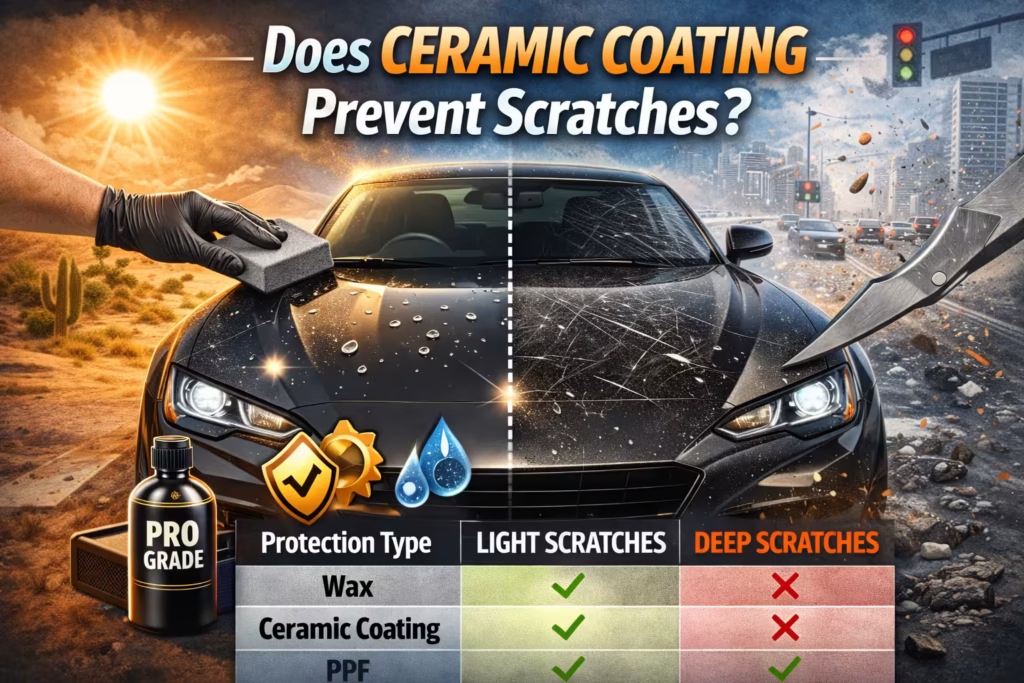
Ceramic coatings help minimize minor scratches and swirl marks, particularly those caused by improper washing or small dust particles rubbing against the paint. By adding a harder layer on top of the paint it reduces friction and makes the surface slightly more resistant to light contact. However, it is essential to differentiate between minimizing scratches and preventing significant paint damage. For deeper scratches or impacts, the coating cannot absorb the force or prevent paint chips. A helpful way to visualize this is through a comparison table:
| Protection Type | Minor Swirls | Deep Scratches | UV Protection | Hydrophobic Properties |
| Wax | Yes | No | Yes | Yes |
| DIY Ceramic Spray | Yes | No | Yes | Yes |
| Professional Ceramic Coating | Yes | No | Yes | Yes |
| Paint Protection Film | Yes | Yes | Yes | Yes |
As the table shows, professional ceramic coatings reduce minor imperfections but do not replace the impact protection of PPF. For car owners seeking the best results, professional installation and maintenance from Octint Solutions ensures maximum scratch resistance and longevity.
Types of Scratches: What Gets Protected
Not all scratches are equal, and understanding their types helps clarify what ceramic coating can protect. Swirl marks caused by improper washing or microfiber towels are the most common and are easily minimized. Marring scratches from dirt rubbing during hand washes are also partially prevented. However, deep scratches, rock chips, and door dings are beyond the coating’s protective abilities. US drivers in high-traffic areas or near construction zones may see these types of damage more frequently. Knowing which scratches ceramic coating addresses helps drivers plan additional protection, such as combining coating with PPF in high-risk areas.
How to Address Existing Scratches Before Applying Ceramic Coating
Before applying a ceramic coating, it is essential to correct paint imperfections. Any existing scratches, swirl marks, or marring will be locked in under the coating if left untreated. Paint correction involves polishing the surface to remove or minimize these defects, creating a smooth, clean canvas for the coating. Professional installers handle this step carefully to ensure optimal bonding and long-lasting protection. A DIY application without paint correction can result in uneven coverage, streaks, and accelerated coating wear.
Professional Installation vs DIY Kits
While DIY ceramic coating kits are available, professional installation delivers far better results. The process is precise and involves proper surface preparation, paint correction, careful application, and curing under controlled conditions. DIY kits often skip critical steps or use lower-quality coatings, which can lead to uneven bonding, streaks, and a much shorter lifespan.
Professional coatings, such as those applied by Octint Solutions, are designed for long-term durability. Certified installers ensure the coating adheres evenly to every panel, creating the strongest possible protective layer. Many US drivers in areas with intense sun, snow, or high traffic find that professional application reduces swirl marks, enhances gloss, and maximizes hydrophobic benefits. Investing in a professional coating also includes warranty options and aftercare support that DIY kits cannot match.
Maintenance Tips to Extend Scratch Protection
Even a professionally applied ceramic coating requires proper maintenance to keep its scratch-resistant properties at peak performance. Following a few key routines can significantly extend the coating’s effectiveness:
1. Regular Washing
Use pH-neutral, ceramic-safe shampoo to clean your car every 1–2 weeks. This prevents dirt buildup that can scratch the coating during washes. Avoid automated brush car washes, as spinning brushes can cause swirl marks and prematurely wear the coating. Instead, hand washes using clean microfiber mitts and two-bucket methods are recommended.
2. Ceramic Boosters
Applying a ceramic booster every few months refreshes the coating’s top layer, improves hydrophobic properties, and adds minor protection against light swirls. These boosters are especially useful in areas with extreme weather changes, such as hot summers in Texas or snowy winters in the Midwest.
3. Proper Drying
After washing, dry the car with a soft microfiber towel or a blower to prevent mineral water spots. Even small water spots can slowly degrade the coating over time if not addressed.
4. Parking Habits
Shaded or garage parking reduces UV exposure, which can weaken the coating over years. Avoiding constant exposure to sunlight, acid rain, or tree sap adds months to the coating’s effective life.
5. Professional Maintenance Packages
Many detailing shops, including Octint Solutions, offer maintenance packages that include inspections, cleaning, decontamination, and hydrophobic testing. These packages help ensure the coating continues to reduce minor scratches, maintain gloss, and protect the paint for years.
Is Ceramic Coating Worth It for Scratch Protection?
Ceramic coating is a valuable investment for US drivers who want easier car maintenance and protection against minor scratches. While it cannot prevent deep scratches or impacts, it reduces the risk of swirl marks, fading, and light abrasions caused by daily driving and washing. Compared to wax or DIY coatings, professionally applied ceramic coating lasts longer, maintains gloss better, and repels water more effectively.
Many People ask how long ceramic coating lasts. Most professional-grade coatings last 2–5 years, depending on maintenance, climate, and driving habits. The upfront cost may be higher, but the long-term benefits include less frequent detailing, improved resale value, and reduced time spent cleaning. Many drivers combine ceramic coating with PPF on vulnerable areas like the front bumper, hood, and door edges to achieve maximum protection.
Common Misconceptions About Ceramic Coating and Scratches
Even seasoned car owners often misunderstand what ceramic coating can do. Clearing up these myths helps set realistic expectations:
- “Ceramic coating makes my car scratch-proof.”
False. It reduces minor swirls but cannot prevent rock chips, door dings, or deep scratches. - “I’ll never need to rewash my car.”
Wrong. Coating makes cleaning easier, but does not replace regular washing. - “All ceramic coatings perform the same.”
Not true. Professional-grade coatings are stronger and longer-lasting than cheap DIY sprays. - “Ceramic coating replaces PPF.”
Incorrect. Coating adds gloss and minor protection; PPF protects against impact damage. - “Water spots cannot form on coated cars.”
False. Hard water can leave spots if the car is not dried correctly.
By addressing these misconceptions, drivers can realistically maximize scratch protection.
Ceramic Coating vs Paint Protection Film (PPF)
Many car owners compare ceramic coating with paint protection film, thinking both serve the same purpose. While they complement each other, they perform differently. Ceramic coating creates a hard, slick layer that reduces the chance of fine scratches from daily washing, improves gloss, and provides strong hydrophobic properties. However, it is not thick enough to stop impact damage.
PPF, on the other hand, is a thicker polyurethane film designed to absorb impacts from rocks, road debris, and accidental contact. It offers far stronger protection against deep scratches and chips. Drivers who live in busy cities or drive long stretches of highway often choose PPF for the front bumper, hood, and fenders, then install ceramic coating on top for a shine and easier cleaning.
Is Ceramic Coating Worth It for Daily Drivers, Highway Drivers, and City Cars?
Ceramic coating can be an excellent investment depending on your driving habits and how long you plan to keep your vehicle. Daily drivers who frequently deal with dirt, pollen, and changing weather conditions benefit from its ability to keep the paint cleaner for longer. Highway drivers appreciate the reduced risk of wash-induced swirl marks, as bugs, dust, and road grime come off more easily.
City drivers face tight parking spaces, unpredictable pedestrians, and constant traffic. While ceramic coating cannot prevent door dings or hard contact, it can help minimize tiny scratches caused by dust, routine cleaning, and light abrasion. In all scenarios, the coating reduces the time and effort required to maintain the vehicle’s appearance, making it valuable for US car owners seeking long-term protection and improved resale value.
Drivers who visit professional detailing shops like Octint Solutions often find that, with proper paint correction and expert installation, their coating lasts for years and effectively protects the paint.
FAQs
1. Does ceramic coating prevent scratches completely?
No. Ceramic coating reduces light scratches and swirl marks but cannot stop deep scratches, rock chips, or impact damage. It creates a more rigid surface that helps reduce minor abrasions caused during washing or daily use.
2. Is ceramic coating scratch-proof?
No car product is entirely scratch-proof. Ceramic coatings are scratch-resistant, not scratch-proof. They provide a strong protective layer but are still vulnerable to sharp objects, debris, and heavy friction.
3. Can ceramic coating hide existing scratches?
It cannot hide or remove scratches. Any visible marks should be corrected before installation through paint correction. Most professional services, including those offered at Octint Solutions—handle this step before applying the coating.
4. Does ceramic coating prevent swirl marks?
It helps reduce swirl marks by creating a slick surface that makes dirt less likely to stick and scratch the paint. Proper washing tools and techniques are still required.
5. Do I still need PPF if I get a ceramic coating?
If you want strong protection against stone chips or deep scratches, PPF is recommended. Many car owners apply PPF to high-impact zones and ceramic coat the rest of the car.
Final Thoughts
Ceramic coating is a strong choice for drivers who want their car to stay cleaner, shinier, and better protected against minor scratches and marks from regular driving. It’s not a shield against heavy damage, but it does improve the hardness and durability of your vehicle’s paint. For most US car owners who value long-term appearance, reduced maintenance, and improved resale value, ceramic coating is absolutely worth it.
If you want the highest level of protection, especially for new cars, pairing PPF and ceramic coating gives the best results. This is why so many car owners trust Octint Solutions for complete paint protection packages, including tinting, PPF, ceramic coatings, and detailing services.