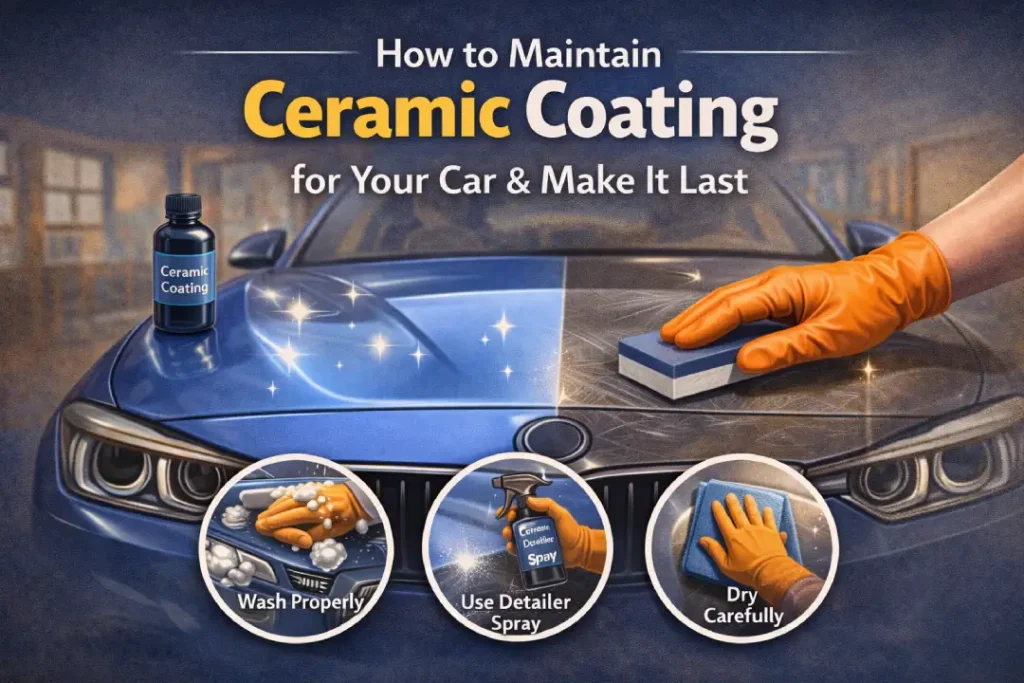
As a car owner in California or Orange County, your vehicle faces harsh environmental conditions such as intense sunlight, rain, and pollutants that can damage its paint. Even though you might have invested in a ceramic coating to protect your car’s finish, proper maintenance is essential to ensuring it lasts and continues to offer maximum protection.
Ceramic coatings provide exceptional protection for your vehicle’s paint by creating a hydrophobic surface, UV protection, and resistance to minor scratches and swirl marks. However, without the right care, even the best ceramic coatings will degrade over time.
What Does Ceramic Coating Do for Your Car’s Paint?
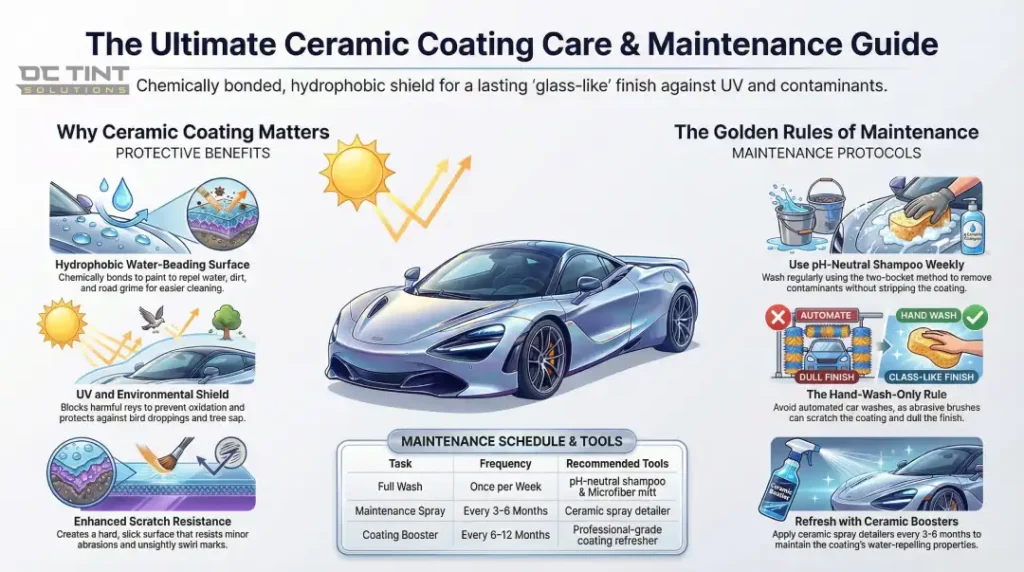
Creates a Hydrophobic Surface
One of the most significant benefits of ceramic coatings is their ability to create a hydrophobic surface on your car’s paint. When the coating is applied, it chemically bonds with the paint and forms a smooth layer that repels water. Instead of water sitting on the surface and leaving water spots, the coating causes the water to bead up and slide off. This makes it much easier to clean your car and reduces the risk of water spots that can damage the paint over time.
The hydrophobic effect also helps repel other contaminants like dirt, mud, and road grime. As a result, your car stays cleaner for longer, and washing becomes less frequent and less time-consuming. The hydrophobic nature of ceramic coatings makes car maintenance easier and ensures a clean, shiny surface without constant washing.
Protection from Environmental Contaminants
Ceramic coatings offer a strong defense against many environmental contaminants that can damage your car’s paint. These include:
- Dirt and Road Grime: As your car drives through dust, mud, and dirt, the coating forms a barrier that prevents these contaminants from sticking to the paint. This reduces the likelihood of scratches and stains.
- Bird Droppings and Tree Sap: These substances can cause permanent damage if left untreated on your car’s paint. The ceramic coating makes it harder for these to stick, and when they do land, they can be cleaned off more easily without damaging the paint underneath.
- Water Spots: Water droplets left on the surface can form water spots, which can etch into the paint. The ceramic coating helps prevent water spots by ensuring water beads off and doesn’t linger on the surface.
By creating this protective layer, ceramic coatings ensure that your car’s paint remains cleaner for longer and is better protected from common contaminants.
Prevents Scratches and Swirl Marks
While ceramic coatings do not make your car’s paint completely scratch-proof, they do significantly enhance its resistance to minor scratches and swirl marks. The coating creates a hard surface that is much more resilient to abrasions compared to untreated paint.
- Swirl Marks: Swirl marks are common in cars that are washed improperly, usually due to the use of rough sponges or towels. The ceramic coating helps reduce these marks by providing a smooth, slick surface that makes it harder for contaminants to bond with the paint.
- Light Scratches: Minor scratches that occur from everyday use, such as brushing up against bushes or small rocks, are less likely to damage the ceramic-coated surface. The coating adds an extra layer of protection, reducing the visible effects of these abrasions.
Although it can’t prevent deep gouges or damage caused by sharp objects, ceramic coating significantly reduces the likelihood of minor surface-level damage, keeping your car looking fresh for longer. The enhanced scratch resistance provided by the coating helps maintain the smooth, glossy appearance of the paint and minimizes the risk of visible damage from light abrasions.
Improves Paint Durability
Another key benefit of ceramic coating is its ability to improve the durability of your car’s paint. The coating acts as a barrier that shields the paint from harsh environmental conditions like UV rays, acid rain, and pollution, which can cause paint degradation over time.
- UV Protection: UV rays from the sun are a significant cause of oxidation, fading, and clear coat degradation. Ceramic coatings are designed to block harmful UV rays, preventing these issues and keeping the paint vibrant and intact for longer.
- Durable Surface: The coating’s hard, glass-like layer helps preserve the shine and depth of your car’s paint. It ensures that the finish remains looking new and doesn’t dull or degrade, which is particularly important for car owners in sunny areas like California.
- Benefit: By enhancing paint durability, ceramic coatings help maintain your car’s exterior for years, protecting its appearance and value.
Key Maintenance Practices for Ceramic Coated Cars
Regularly Wash Your Car with pH-Neutral Shampoo
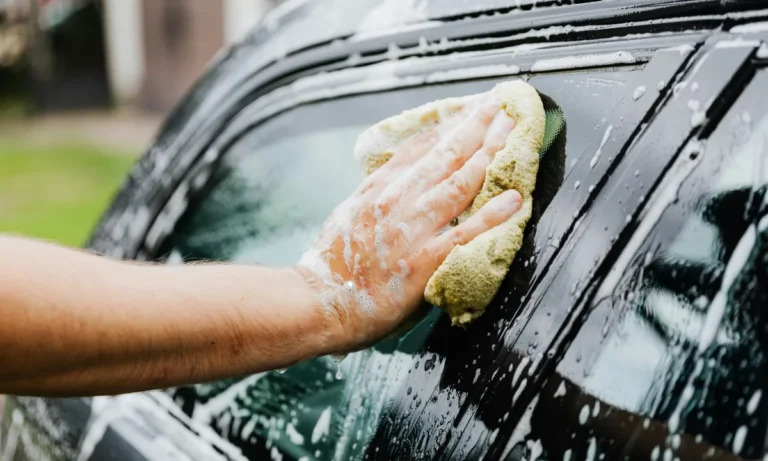
To maintain the effectiveness of your ceramic coating, it’s essential to wash your car regularly using a pH-neutral car shampoo. Regular washing helps remove contaminants such as dirt, bugs, and road salts that can settle on the surface and gradually wear down the coating.
Why pH-Neutral Shampoo?
Standard soaps and detergents can be harsh on the ceramic coating, stripping it of its hydrophobic properties. pH-neutral shampoos are formulated to clean effectively without damaging the protective layer of the ceramic coating.
Washing Tips:
- Wash the car at least once a week to prevent contaminants from bonding with the surface.
- Use the two-bucket method to ensure that you don’t reintroduce dirt back onto the car during washing.
By washing your car regularly with the right products, you ensure that the ceramic coating remains intact and continues to protect your vehicle’s paint.
Avoid Harsh or Abrasive Tools
It’s crucial to use the right tools when washing a ceramic-coated car. Avoid using harsh or abrasive sponges, brushes, or towels that can scratch the coating and remove its effectiveness.
- Use Microfiber Towels and Mitts
Always use soft microfiber towels or mitts when cleaning your car. These materials are gentle on the coating and won’t cause scratches or swirl marks. Microfiber is designed to pick up dirt without damaging the surface, making it the best option for drying and wiping down a ceramic-coated car. - Avoid Automated Car Washes
Automated car washes with brushes or abrasive pads can cause scratches and swirl marks. These are especially damaging to the ceramic coating, so it’s best to avoid them. Hand washing your car is always the safest option.
By using the right cleaning tools, you can preserve the integrity of your ceramic coating and maintain the smooth finish of your car’s paint.
Wash in Low Sunlight to Prevent Water Spots
Washing your car during the hottest part of the day can cause water to dry too quickly, leaving water spots on the surface. To avoid this, wash your car in low-light conditions, such as early in the morning or late in the afternoon. If your coating has lost its ‘slickness’ due to heavy environmental fallout, our professional ceramic coating service includes a chemical decontamination bath to restore the hydrophobic properties.
Washing in low sunlight ensures that water does not evaporate too fast, giving you more time to dry the car properly without leaving behind water spots. This helps preserve the appearance of the ceramic coating and prevents the formation of permanent water stains on the paint. Washing during the cooler hours helps keep your car free of water spots, reducing the need for additional cleaning and ensuring that the coating remains effective.
Using Ceramic Spray Detailers
One of the primary advantages of ceramic coating is its hydrophobic properties, which cause water to bead off the surface, making your car easier to clean and less prone to water spots. To maintain and enhance the hydrophobic effect, many car owners use ceramic spray detailers.
These products are designed to refresh the coating and boost its water-repelling abilities. Applying a ceramic spray helps keep the hydrophobic layer intact, ensuring that your car continues to repel water, dirt, and other contaminants.
How to Use Ceramic Spray Detailers:
- After washing and drying your car, simply apply the ceramic spray according to the product’s instructions.
- Most sprays require you to mist the product onto the car’s surface and wipe it off with a microfiber towel.
- Reapply every 3-6 months to keep the surface protected.
Regular use of a ceramic spray detailer helps to refresh the protective layer, ensuring your vehicle remains clean and shielded from contaminants for longer.
Periodic Application of Coating Booster Products
In addition to ceramic sprays, you can also apply coating boosters or coating refreshers. These products are specifically designed to rejuvenate and reinforce the ceramic coating without the need for a full reapplication.
Why Use a Coating Booster?
A coating booster can be particularly useful if your car’s surface starts to lose its shine or water-repelling abilities. It works by restoring the ceramic layer’s protective properties, helping maintain the coating’s durability and performance.
Application Frequency:
- Typically, coating boosters should be applied every 6-12 months, depending on your car’s exposure to environmental contaminants and wear.
- They can be applied to areas that see more exposure to UV rays or harsh weather, such as the hood and roof.
Coating boosters allow you to extend the lifespan of the ceramic coating without having to fully reapply it, keeping your car’s paint protected and glossy. Maintaining the exterior is only half the battle; to protect your interior from the same California sun, explore our automotive window tinting for a complete UV shield.
Do’s and Don’ts of Ceramic Coating Maintenance
Do: Apply Ceramic Coating Maintenance Sprays Regularly
One of the most important maintenance practices for your ceramic-coated car is the regular use of maintenance sprays. These sprays are formulated to maintain the effectiveness of the coating by adding a protective layer that helps to preserve its hydrophobic properties and scratch resistance.
How Often Should You Apply Maintenance Sprays?
It is generally recommended to apply a maintenance spray every 3 to 6 months, depending on your driving conditions and how often your car is exposed to environmental contaminants.
Regular application of maintenance sprays ensures that your ceramic coating continues to provide maximum protection and keeps your car’s finish looking glossy and well-maintained.
Don’t: Use Automated Car Washes
Automated car washes, especially those with abrasive brushes or rough towels, can cause scratches and swirl marks on the surface of your ceramic-coated car. While ceramic coatings do provide scratch resistance, they do not make your car completely scratch-proof.
Why Automated Car Washes Are Harmful
The brushes used in automated car washes can trap dirt and debris, which can scratch the surface of your car. Even though the ceramic coating reduces the risk of scratches, abrasive materials can still damage the finish over time.
By avoiding automated car washes, you protect the integrity of your ceramic coating, ensuring it lasts longer and maintains its smooth, glossy finish.
Do: Inspect and Maintain the Coating Regularly
Regular inspection and maintenance of your car’s ceramic coating are essential to ensure it continues to provide optimum protection. Inspect the surface every few months for signs of wear or damage to the coating, and take action if necessary.
How to Inspect the Coating
Look for areas where water no longer beads or surface imperfections that might indicate the coating has started to wear. If you notice that the hydrophobic properties are not functioning as well as before, it may be time to apply a maintenance spray or booster.
Regular inspections ensure that any issues with the coating are addressed promptly, so your car’s paint remains protected from contaminants and environmental damage. For professional ceramic coating services in California and Orange County, OC Tint Solutions offers expert application and maintenance to ensure your vehicle is always protected. Contact us today to learn more about how we can help keep your car’s paint in perfect condition.
Seasonal Care and Maintenance for Ceramic Coated Cars
Spring and Summer: Seasonal Maintenance Tips
The warmer months bring increased exposure to UV rays, pollen, and bird droppings. It’s essential to take special care of your ceramic-coated car during this time to ensure the coating stays effective.
- Special Considerations for Hot Weather
UV protection is one of the main benefits of ceramic coatings, but prolonged exposure to intense sunlight can still break down the coating over time. Be sure to regularly wash your car with pH-neutral shampoo and apply ceramic sprays to refresh the coating’s protective properties.
- Protecting Against Tree Sap and Bird Droppings
During spring and summer, your car may encounter tree sap or bird droppings more frequently. These contaminants can be damaging to your car’s paint if left untreated. Ceramic coatings make it easier to wipe away these substances without damaging the paint.
Seasonal maintenance helps to maintain the protective qualities of your ceramic coating, ensuring your car remains in excellent condition despite increased exposure to environmental elements. The International Detailing Association emphasizes that the ‘Two-Bucket’ wash method is the industry standard for preventing the grit-transfer that causes swirl marks on high-end ceramic finishes.
Winter: Winter Maintenance and Protection
In the colder months, your vehicle faces a different set of challenges, including road salts, snow, and pollution. Ceramic coatings provide excellent protection against these elements, but additional care is needed to ensure the coating continues to function optimally.
- Protecting Against Road Salt
Road salt used in winter to melt ice can cause paint corrosion if left on the surface for too long. Be sure to wash your car frequently during winter and apply a coating booster to keep the surface protected from salt and grime.
- Winterizing Your Ceramic-Coated Car
Consider using a snow foam or pre-wash product to help remove heavy dirt and road salt from the car’s surface before washing. This will help preserve the integrity of the coating and prevent contaminants from causing long-term damage.
Winter maintenance ensures that the ceramic coating continues to protect against harsh conditions like road salt and snow, keeping your vehicle’s exterior looking great throughout the colder months.
What Happens If You Neglect Ceramic Coating Maintenance?
Effects of Neglecting Regular Maintenance
Failing to properly maintain your ceramic-coated car can lead to a loss of protection, resulting in the breakdown of the coating’s hydrophobic properties and its ability to protect against environmental contaminants. Over time, neglecting maintenance can cause the coating to degrade, leading to a dull, damaged finish that requires more extensive work to restore.
- Decreased Effectiveness of the Coating
Without regular cleaning, the protective layer of the ceramic coating can wear down, leaving the paint more vulnerable to dirt, water spots, and UV damage.
- Long-Term Impact on Car Paint
When the ceramic coating loses its effectiveness, your car’s paint may begin to show signs of wear, such as fading, oxidation, and surface contamination. This can ultimately reduce the car’s resale value and aesthetic appeal.
By maintaining your ceramic coating, you ensure it continues to perform at its best, keeping your car’s paint protected and preserving its appearance.
Conclusion: How to Extend the Life of Your Ceramic Coating
Ceramic coating offers significant protection for your car’s paint by creating a hydrophobic surface that repels contaminants, offers UV protection, and minimizes the risk of scratches and swirl marks. However, to ensure the coating lasts as long as possible and continues to perform at its best, regular maintenance is crucial. By following the maintenance tips such as using pH-neutral shampoo, avoiding automated car washes, and applying maintenance sprays regularly, you can extend the life of your ceramic coating and keep your car’s paint looking like new for years to come.
Frequently Asked Questions
1. How Often Should I Wash My Ceramic Coated Car?
It’s recommended to wash your ceramic-coated car at least once a week using a pH-neutral shampoo. Regular washing helps maintain the coating’s hydrophobic properties and keeps contaminants from bonding to the paint.
2. Can I Use Any Car Wash Soap for a Ceramic Coated Car?
No, you should always use pH-neutral car wash soap. Regular soaps can strip the coating’s protective layer, reducing its effectiveness.
3. How Can I Maintain the Hydrophobic Properties of My Ceramic Coating?
To maintain the hydrophobic effect, use a ceramic spray detailer or booster spray every 3-6 months to refresh the coating and keep it water-repellent.
4. Does Ceramic Coating Protect Against All Types of Scratches?
No, ceramic coating reduces the likelihood of minor scratches and swirl marks, but it doesn’t protect against deep gouges or damage from sharp objects.
5. Can I Apply Ceramic Coating to a New Car Myself?
Yes, you can apply ceramic coating yourself, but professional application is recommended for the best protection, especially if you want a flawless finish and longevity.