Driving around Orange County means constantly battling the shifting California sun. One minute, you are cruising down the 405 in blinding morning glare, and the next, you are navigating a parking garage or driving home at night, where dark tint becomes a safety hazard. Traditional window film forces you to choose between daytime heat protection and nighttime visibility. Photochromic window tint, also known as transitional film, solves this dilemma by acting as smart glass for your vehicle. It automatically adjusts its darkness based on the intensity of the sun, giving you the heavy shade you need at noon and the crystal-clear safety you require after dark. At OC Tint Solutions, we see this as the perfect middle ground for drivers who want maximum heat rejection without the legal or safety risks of permanent.
What is Photochromic Window Tint?
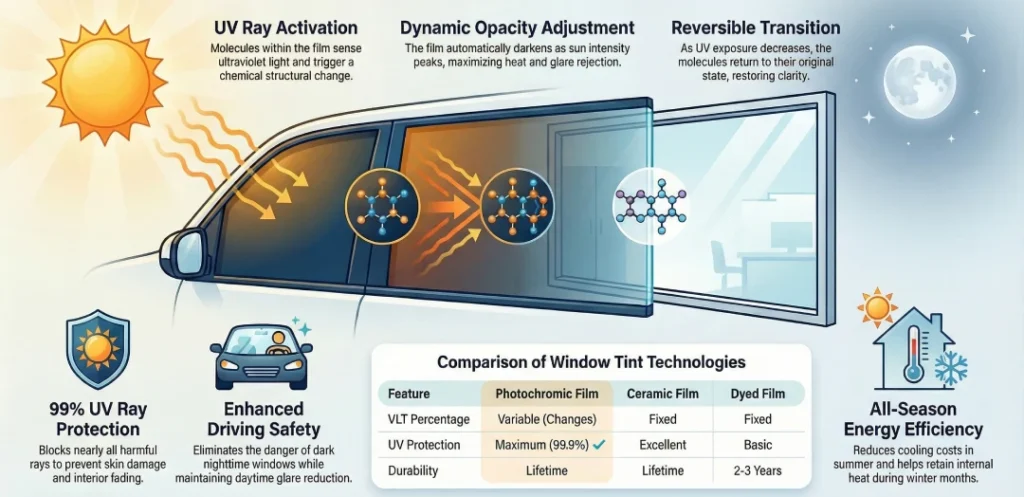
Photochromic window tint is a dynamic and innovative solution for anyone looking to control light and heat in a space or vehicle. Unlike traditional window tints, which only block light to a fixed degree, photochromic tints automatically adjust their opacity in response to changes in sunlight or UV light exposure. These tints are designed to darken when exposed to UV rays, and they gradually return to their lighter, clearer state when the UV exposure decreases.
This unique feature makes photochromic window tints ideal for homes, offices, and vehicles in Orange City, California, where the sunny climate can cause discomfort from glare and heat. Additionally, these window tints provide privacy and enhance the aesthetic appeal of your space or vehicle, offering not just protection but style as well.
How Does Photochromic Window Tint Work?
The science behind photochromic window tint is both fascinating and practical. Photochromic films are made up of molecules that are sensitive to ultraviolet (UV) light. When these molecules are exposed to UV rays, they undergo a chemical reaction that causes them to darken, effectively blocking out more light. This process is reversible, meaning the tint gradually lightens once the UV exposure is reduced.
Key Factors Behind the Tinting Process:
- UV Sensitivity: The tint darkens as UV light increases, offering protection from harmful rays.
Temperature Influence: Some photochromic films can also react to temperature changes, adjusting their level of darkness based on heat exposure. - Chemical Reaction: The film’s molecular structure changes when exposed to UV light, causing the tint to darken or lighten.
Advantages of the Tinting Mechanism:
- Automatic Adjustment: No need for manual adjustments, as the tint automatically reacts to environmental conditions.
- UV Protection: This tint provides excellent protection against harmful UV rays, helping to reduce the risk of skin damage and protecting your furnishings from fading.
Types of Photochromic Window Tint
Photochromic window tints come in various formulations and applications, depending on their intended use. Whether you need tinting for your home, office, or car, there’s a solution that fits your needs.
Standard Photochromic Window Tints
These are the most basic form of photochromic tints, designed to respond to UV light exposure by darkening or lightening depending on the amount of sunlight. They are commonly used for residential or commercial purposes and are available in a variety of shades and finishes to suit different aesthetic preferences.
Advanced Photochromic Films for Automotive Use
Automotive photochromic tints are designed to offer more than just UV protection. These tints are specifically made to reduce glare while driving, protect against UV rays, and block out heat, which is especially important during long drives in the hot Californian sun. These tints are engineered to be durable, with special coatings that resist scratching and fading.
Commercial and Residential Photochromic Films
In commercial spaces and residential properties, photochromic window tints can be used to manage energy efficiency. These films provide additional insulation, reducing the need for artificial heating and cooling. They also enhance comfort by reducing glare and maintaining privacy during the day while still allowing natural light to filter through.
High-Performance Photochromic Window Films
For those seeking top-tier performance, high-end photochromic films offer superior infrared rejection and higher UV protection. These films are ideal for those who need the best in both aesthetics and functionality, especially in areas with high sun exposure like Orange City, California.
Advantages of Photochromic Window Tint
Photochromic window tint offers a range of benefits that go beyond just improving the appearance of your windows. Here are some key advantages that make these tints a valuable investment for your home, office, or vehicle in Orange City, California:
UV and IR Protection for Health and Comfort
One of the most important benefits of photochromic window tint is its ability to provide UV (ultraviolet) and IR (infrared) protection. UV rays are harmful to the skin, causing premature aging and increasing the risk of skin cancer. Photochromic tints block up to 99% of harmful UV rays, providing an added layer of protection against sun exposure. In addition to UV protection, these tints also offer infrared (IR) rejection, which helps reduce heat from the sun. Infrared radiation can cause uncomfortable heat buildup in your car or home, making the indoor environment hotter. With photochromic window tint, the tint darkens in response to sunlight and reduces the amount of infrared heat that enters the building or vehicle. This leads to greater comfort and better energy efficiency.
Improved Energy Efficiency for Homes and Offices
In areas with sunny climates like Orange City, California, photochromic window tint can significantly improve energy efficiency. By reducing the amount of heat that enters your home or office, these tints help maintain a comfortable temperature inside without relying as much on air conditioning. This can lower your energy bills, especially during the hot summer months when cooling costs can spike. Additionally, photochromic window tint helps reduce heat loss during colder months by reflecting heat inside, further enhancing the overall energy efficiency of your building. With such tints, you’re not just making your space more comfortable, you’re also saving money in the long run.
Enhanced Privacy and Glare Reduction
Photochromic window tint provides excellent privacy by darkening the windows in direct sunlight, making it harder for people to see inside. Whether it’s your car or your office, this added privacy can be invaluable, especially in high-traffic areas. The darker tint also reduces the amount of glare from the sun, making it easier to work, read, or drive without squinting or dealing with eye strain. For drivers in particular, glare from the sun can be a major safety issue. By reducing glare on the windshield and side windows, photochromic tint can make driving safer and more comfortable, especially when you’re out on the road during peak daylight hours.
Aesthetic Appeal and Style
In addition to the functional benefits, photochromic window tint also enhances the overall look of your home, office, or vehicle. These tints come in a variety of shades, allowing you to choose the level of darkness that suits your style. The transition between light and dark is smooth and elegant, giving your windows a sleek, modern look that’s both attractive and functional. Whether you’re looking to enhance the appearance of your vehicle or improve the curb appeal of your home, photochromic window tint provides a sophisticated aesthetic that blends seamlessly with different design styles.
Long-Term Durability and Low Maintenance
One of the standout features of photochromic window tint is its durability. Unlike traditional tints that may fade, peel, or discolor over time, high-quality photochromic films are built to last. They are resistant to scratching and wear, ensuring that your investment remains effective for many years. Additionally, these tints require very little maintenance. Regular cleaning with mild soap and water is usually enough to keep them looking great.
Because photochromic films are designed to react to sunlight and temperature changes automatically, there’s no need for manual adjustments or reapplication. Once installed, they continue to provide protection and comfort for years with minimal upkeep.
Disadvantages and Limitations of Photochromic Window Tint
While photochromic window tint offers many advantages, it’s important to consider some potential disadvantages before making the decision to install it. Below are some factors to keep in mind:
Cost Considerations: Is Photochromic Tint Worth the Investment?
One of the main drawbacks of photochromic window tint is its cost. Compared to traditional window tints, photochromic films tend to be more expensive. The technology involved in making the film sensitive to UV light and temperature changes, as well as the materials used to ensure durability, contribute to the higher price. However, this investment often pays off in the long run, as photochromic tint provides energy savings, increased comfort, and UV protection. It’s essential to weigh the upfront cost against the long-term benefits. For many homeowners and car owners, the energy savings, enhanced comfort, and protection from UV damage justify the initial investment.
Potential Inconsistent Darkening Performance
Another consideration is that photochromic window tints may not always provide consistent performance. While the film reacts to UV light, its ability to darken can be affected by temperature changes or low UV exposure. In certain weather conditions, such as cloudy days or during the winter months, the tint may not darken as much as it would on a sunny day. This can affect the level of privacy and heat reduction that the tint provides.
Additionally, photochromic films may not darken as much as some people prefer, especially in extremely sunny areas. However, this is a trade-off for having a tint that adjusts automatically based on the lighting conditions.
Legal and Regulatory Restrictions
Before installing photochromic window tint, it’s important to check local regulations regarding window tinting. Some areas, including parts of California, have strict laws regarding the darkness of window tint on vehicles. These laws are in place to ensure that drivers have clear visibility on the road and that their windows are not too dark, which could impair safety. In Orange City, California, you’ll need to make sure that the photochromic film you select complies with local legal requirements. Vehicle owners should also check with their car manufacturer to determine whether photochromic tints are allowed for their specific make and model. You can review the specific California DMV window tint requirements to ensure your film remains compliant during both its clear and dark phases.
Photochromic Window Tint Installation Process
The installation of photochromic window tint can be a delicate process, requiring careful attention to detail to ensure optimal performance and longevity. While some may consider attempting a DIY installation, hiring a professional installer is often recommended to ensure the tint is applied correctly and efficiently. Below, we explore the installation process and offer tips on how to ensure your window tint performs as expected.
How to Choose the Right Installer for Photochromic Tint
Choosing the right installer is crucial to ensure your photochromic window tint performs to its full potential. It’s important to work with professionals who have experience with photochromic films, as improper installation can lead to issues such as bubbling, peeling, or uneven tinting. When selecting an installer, consider the following factors:
- Certifications: Look for certified installers who have received training in installing advanced window films, including photochromic tints.
- Reputation: Check reviews and ask for recommendations from friends or family who have had similar tinting work done. A good reputation often indicates reliability and quality work.
- Warranty and Service: Reputable installers should offer a warranty on both the product and installation. This gives you peace of mind knowing that any potential issues will be addressed.
Step-by-Step Installation Guide
While the installation of photochromic window tint requires professional expertise, understanding the basic process can give you a sense of what to expect. Here’s a general overview of the steps involved:
- Window Cleaning: The first step in the installation process is thoroughly cleaning the window surface. Any dirt, dust, or oils can cause imperfections in the tint, so this step is crucial for a flawless application.
- Measuring and Cutting the Tint: The installer will carefully measure your windows and cut the photochromic film to fit precisely. The film is typically cut slightly larger than the window to ensure full coverage.
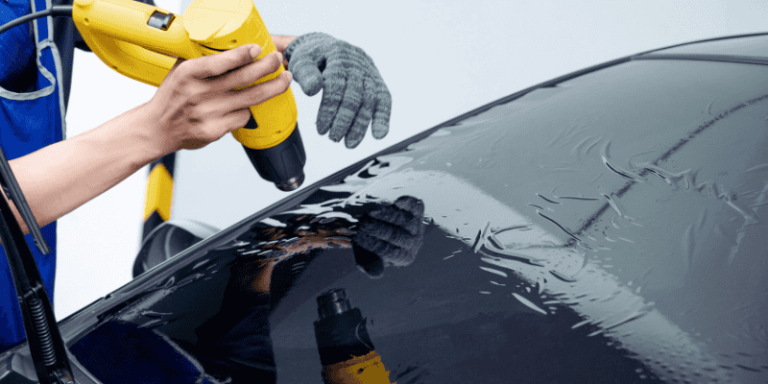
- Application of the Film: The tint is then carefully applied to the window. The installer uses a special adhesive to bond the tint to the glass. In some cases, the adhesive may require heat to activate and properly bond with the window surface.
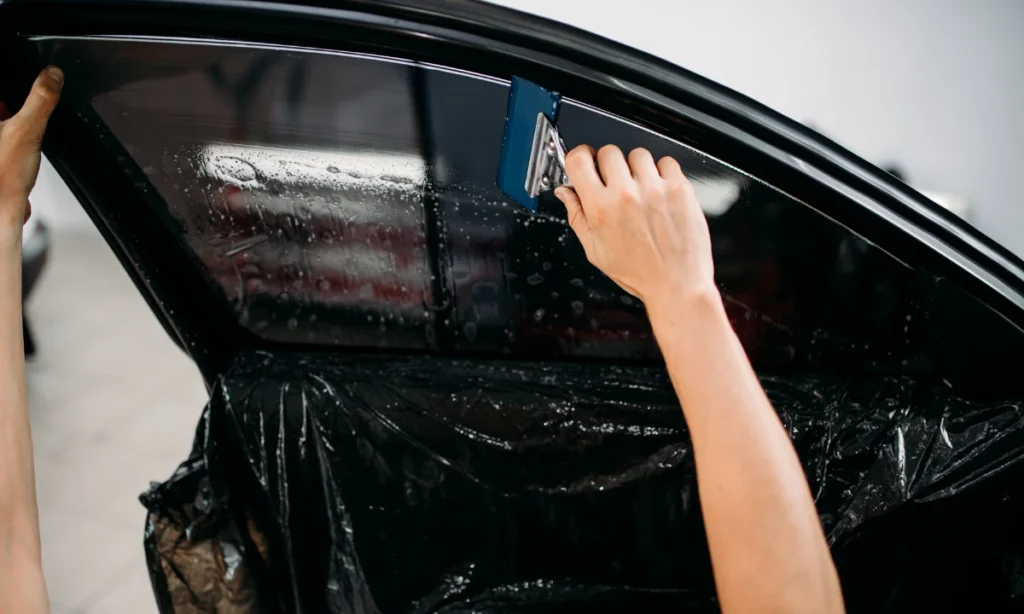
- Smoothing and Curing: After the film is applied, the installer will use a squeegee to remove any air bubbles and smooth out the film. This step is essential to ensure the film adheres evenly and that no imperfections remain.
- Drying and Curing Time: The window tint will need some time to dry and cure. Typically, it takes around 24 to 48 hours for the adhesive to fully bond. During this time, it’s essential to avoid rolling down the windows or cleaning the tint.
Whether you are interested in the latest transition technology or traditional high-performance films, OC Tint Solutions provides the expertise and premium materials needed to protect your vehicle and home from the harsh California sun.
DIY Photochromic Tinting: Pros and Cons
While professional installation is the best option, some people may attempt DIY installation to save money. However, photochromic window tints can be more challenging to install than standard tints due to their complex technology and application process.
Pros of DIY Installation:
- Cost Savings: By installing the tint yourself, you can avoid paying for professional installation services.
- Personal Satisfaction: Some may enjoy the hands-on experience of installing the tint themselves.
Cons of DIY Installation:
- Risk of Imperfections: Without the proper experience and tools, DIY installation can lead to uneven application, bubbling, or peeling over time.
- Time-Consuming: DIY installation can be a lengthy process, especially if you’re new to tinting.
- Void Warranty: Some manufacturers may void the warranty if the tint is not professionally installed.
Our team specializes in precision applications for adaptive films. If you are looking to upgrade your driving experience, explore our options for professional car window tinting to ensure a bubble-free, legal transition.
Applications of Photochromic Window Tint
Photochromic window tint is versatile and can be used in various settings, including residential, commercial, and automotive applications. Each application offers unique benefits that cater to different needs. Let’s explore how photochromic tints can be used in different environments:
Residential Applications: Enhancing Comfort and Privacy
In homes, photochromic window tint offers multiple benefits. The ability to automatically adjust the tint level in response to sunlight allows homeowners to enjoy natural light without the discomfort of excessive heat or glare. This is particularly valuable in California, where the sun can be intense for much of the year.
- Heat Control: By reducing the amount of heat that enters the home, photochromic window tint helps keep indoor temperatures cooler, reducing reliance on air conditioning.
- Enhanced Privacy: The automatic darkening feature provides additional privacy, especially in rooms where windows face busy streets or neighbors. It also reduces the chance of someone seeing inside, even during the daytime.
- Aesthetic Appeal: Photochromic tints enhance the exterior look of homes with a sleek, modern finish. They also add a layer of protection to furniture, flooring, and upholstery, preventing fading caused by UV exposure.
Automotive Applications: Safety, Comfort, and Style
Photochromic window tint for vehicles provides the same benefits as residential and commercial applications, with a few added advantages specifically for drivers:
- Glare Reduction: Photochromic window tint automatically adjusts to reduce glare while driving, improving visibility and making driving more comfortable, especially during early morning or late afternoon.
- UV Protection: These tints block harmful UV rays, preventing sun damage to your skin and protecting your car’s interior from fading or cracking.
- Style and Comfort: Besides the functional benefits, photochromic tints also enhance the overall look of the car.
They give the vehicle a sleek, polished appearance while improving comfort on hot days.
Commercial and Office Applications: Reducing Energy Costs and Improving Productivity
In commercial buildings and offices, photochromic window tint can significantly improve the comfort of employees and customers while reducing energy costs. By keeping indoor temperatures regulated and reducing glare, these tints help create a more productive and pleasant work environment.
- Energy Savings: With the heat-rejecting properties of photochromic films, businesses can lower their energy consumption by reducing the need for cooling during hot months.
- Enhanced Privacy and Security: Photochromic window tints offer privacy for employees, especially in ground-level offices or spaces facing busy streets.
- Improved Aesthetics: The sleek appearance of photochromic tints can enhance the exterior and interior of any building, contributing to a professional and modern aesthetic.
Comparison: Photochromic vs. Traditional Window Tints
When deciding whether photochromic window tint is the right choice for you, it’s helpful to compare it to traditional window tints. Each type of tint has its own set of advantages and disadvantages, so understanding the differences is key to making an informed decision.
Comparison of Window Tint Technologies
| Feature | Dyed Film | Carbon Film | Ceramic Film | Photochromic Film |
| Heat Rejection | Low | Moderate | High | Extremely High |
| UV Protection | Basic | Good | Excellent | Maximum (99.9%) |
| Visual Clarity | Average | Good | Very High | Adaptive / Best |
| VLT Percentage | Fixed | Fixed | Fixed | Variable (Changes) |
| Price Point | Budget | Mid-Range | Premium | High-End Luxury |
| Durability | 2-3 Years | 5-10 Years | Lifetime | Lifetime |
While traditional window films can still offer some protection and aesthetic benefits, photochromic window tint provides a dynamic solution that adapts to changing light conditions, providing more comfort, protection, and energy savings. While photochromic tint is adaptive, many drivers still prefer the consistent, high-heat rejection of fixed films. You can compare these smart films against static options in our breakdown of ceramic window tint vs carbon to see which material fits your heat-blocking needs.
Maintenance and Care for Photochromic Window Tints
Proper maintenance and care are essential to keep your photochromic window tint in top condition for years to come. While photochromic tints are designed to be durable and low-maintenance, there are still a few key steps you can take to ensure they continue to perform optimally. Here, we discuss how to clean and maintain your photochromic tints and how to address potential issues like scratches or damage.
Cleaning and Caring for Photochromic Films
Cleaning your photochromic window tint regularly is important to maintain its clarity and performance. Follow these tips to ensure you don’t damage the film during the cleaning process:
Use a Soft Cloth: Always use a soft, lint-free microfiber cloth to clean your tinted windows. Avoid rough towels or sponges, as these can scratch the surface.
- Mild Soap and Water: Use a mild soap and lukewarm water solution to clean the windows. Avoid harsh chemicals or ammonia-based cleaners, as they can degrade the film over time.
- Gentle Circular Motions: When cleaning, wipe the surface in gentle circular motions to avoid streaks and to ensure you’re not pressing too hard on the film.
- Avoid Abrasive Materials: Never use abrasive materials like scouring pads or brushes to clean your tinted windows, as these can damage the film and cause it to peel or discolor.
- Dry Thoroughly: After cleaning, use a dry microfiber cloth to gently wipe away any excess moisture and prevent water spots from forming.
Dealing with Scratches and Damage
Though photochromic films are designed to be more durable than traditional window tints, they can still be scratched or damaged under certain conditions. Here are some tips to handle minor damage:
- Minor Scratches: If you notice light scratches, these may not significantly affect the film’s performance. However, it’s important to avoid any further scratching to prevent the damage from spreading. A professional installer may be able to polish out minor imperfections.
- Replacing Damaged Tint: If the damage is more severe or if the tint has started to peel, it may need to be replaced. It’s best to consult with a professional tinting service to assess the damage and determine whether a replacement is necessary.
- Avoid Using Sharp Objects Near Tinted Windows: To prevent future scratches, avoid using sharp objects or placing items that could scratch the surface near your tinted windows.
To ensure the UV-sensitive molecules in your transitional film stay reactive for years, you must follow specific cleaning protocols. Check out how to clean tinted windows to avoid using chemicals that could degrade the photochromic layer.
FAQs: Photochromic Window Tint
What is the difference between photochromic and regular window tint?
Photochromic window tint automatically adjusts its darkness based on UV light exposure, while regular window tint remains the same level of opacity regardless of external light conditions. Photochromic tints provide more dynamic protection and comfort.
How long does photochromic window tint last?
With proper care and maintenance, photochromic window tint can last 10 years or longer. High-quality films are designed to be durable, resistant to fading, and easy to maintain.
Can photochromic window tint be installed on any type of glass?
Photochromic tints can be applied to most types of glass, including car windows, home windows, and commercial glass. However, it’s essential to consult with your installer to ensure compatibility with the specific type of glass in your vehicle or building.
Is photochromic tint legal in all areas?
Legal restrictions on window tinting vary by state and country. In California, photochromic tints are allowed, but there are restrictions on the darkness of the tint, especially for vehicles. Be sure to check local laws and consult with a professional installer to ensure compliance.
How much does photochromic window tint cost?
The cost of photochromic window tint varies depending on factors such as the size of the windows, the type of film chosen, and the complexity of the installation. On average, expect to pay more for photochromic tint than for traditional window tints due to the advanced technology involved.
Can photochromic tint be removed or replaced easily?
While photochromic tint can be removed or replaced, it is recommended that you hire a professional for the job. Improper removal can lead to damage to the window or adhesive residue.
Is Photochromic Window Tint Right for You?
Photochromic window tint offers a unique blend of functionality, style, and protection, making it an excellent choice for homeowners, vehicle owners, and businesses in Orange City, California. Whether you’re looking to reduce energy costs, enhance privacy, protect your skin from harmful UV rays, or simply improve the aesthetic of your windows, photochromic tints provide a smart and effective solution. If you’re interested in upgrading your windows with photochromic tint, contact Octint Solutions today to learn more about our services and how we can help you achieve the perfect balance of comfort, style, and protection for your space or vehicle.