Tesla owners in Orange County often want the same things from window tint: a cooler cabin, less glare, stronger privacy, and a clean appearance that still feels comfortable after dark. The hard part is choosing between 20%, 35%, 50%, or 70% tint without ending up with glass that feels too dark, looks uneven against factory glass, or creates a legal issue on the front windows. The best Tesla tint percentage depends on the windows you are tinting, how often you drive at night, whether privacy or heat reduction matters most, and the final VLT reading after film is added.
- California tint note: The tint percentage shown on a film label is not always the final visible light transmission reading after installation. Tesla factory glass and aftermarket film work together, so front-window and windshield choices should be checked by final VLT, product certification, and California rules.
Quick Answer: What Is the Best Tint Percentage for a Tesla?
For many Tesla owners, 35% tint is the best all-around rear-window choice. It creates a noticeably darker appearance, offers useful daytime privacy, and is generally easier to use at night than 20% or 5% tint. A 20% tint suits drivers who want stronger privacy and a darker exterior look on the rear glass. A 50% or 70% ceramic tint is often the better option for drivers who want heat reduction and glare control without making the cabin look dark.
California front-side windows and windshield glass should be treated separately from rear-window-style choices. State law has specific rules for front side-window film and windshield placement, so the final glass-and-film reading matters more than choosing a popular package online.
Tesla Tint Percentage Comparison Chart
Tint percentage refers to how much visible light the film allows through. A lower percentage creates darker glass, while a higher percentage creates a lighter appearance.
| Tint Percentage | Appearance | Privacy | Night Visibility | Best For |
| 70% | Nearly clear | Low | Excellent | Heat and glare reduction with a factory-style look |
| 50% | Light | Mild | Very good | Daily driving, white interiors, and subtle shading |
| 35% | Medium-dark | Moderate | Good | Balanced privacy, appearance, and usability |
| 20% | Dark | High | Reduced | Privacy-focused rear windows and darker styling |
| 5% | Very dark | Very high | Limited | Maximum darkness; less practical for many daily drivers |
These are shade-selection recommendations, not a California legal-tint chart. Final legality depends on the specific window, factory glass, installed material, and final VLT reading.
The Best Starting Point for Most Tesla Owners
A 35% tint is often the safest visual starting point for rear side windows and rear glass because it balances style, glare reduction, privacy, and nighttime visibility. It gives a Tesla a darker finish without making the interior feel heavily shaded during evening driving. Choose 20% for rear windows if privacy is your top priority and you are comfortable with lower visibility in dark parking lots, garages, rain, fog, or poorly lit streets. Choose 50% or 70% ceramic film if your main goal is heat rejection and UV protection while keeping a bright cabin and clear outward visibility.
Choose Your Tesla Tint Based on What Matters Most
The easiest way to choose Tesla window tint is to decide what you want the film to solve. A privacy-first setup can differ from a heat-rejection setup, even if both vehicles look similar from the outside.
Choose 35% Tint for a Balanced Tesla Look
A 35% Tesla tint setup works well for drivers who want a darker appearance without going too aggressive. It offers moderate privacy, reduces glare, and can make the side and rear glass look more uniform. This shade is a strong fit for Tesla Model 3, Model Y, Model S, and Cybertruck owners who drive during the day but still use their vehicle regularly at night. For daily driving in Orange County, 35% can feel like a practical middle ground. It helps cut down bright sunlight without making side mirrors and rear camera views feel as limited as darker shades. It is also a good option for drivers who want a clean, Premium look rather than a heavily tinted appearance.
Choose 20% Tint for Stronger Privacy
A 20% tint provides a darker look and stronger daytime privacy. It can make it harder for people outside the vehicle to see bags, electronics, child seats, or personal items in the rear cabin. This shade is popular with Tesla owners who prefer a more dramatic exterior style or who spend a lot of time parked in public areas. The tradeoff is low-light visibility. A 20% tint can reduce clarity through rear glass and side windows in dark garages, coastal fog, rain, or nighttime parking situations. Drivers who frequently travel after sunset should compare 20% against 35% on real Tesla glass before deciding.
Choose 50% or 70% Tint for Heat Rejection Without a Dark Cabin
A lighter ceramic film can be the right choice for Tesla owners who want less solar heat and glare without changing the car’s look too much. This is especially useful for Tesla drivers with white interiors, people who drive often at night, or owners who want a near-clear windshield-compatible appearance where allowed. High-performance ceramic films can reject heat without relying only on darkness. For example, 3M states that its Automotive Window Film Ceramic IR Series can reject up to 66% of total solar energy and up to 95% of infrared energy, depending on the selected film. The product uses a metal-free construction and is available in multiple VLT levels.
Understand VLT Before Choosing a Tesla Tint Percentage
The tint percentage and the final VLT are often confused. This is where many Tesla owners make the wrong choice, especially when factory rear glass already appears darker than the front windows.
Tint Percentage Is Not the Same as Final VLT
Visible Light Transmission, or VLT, measures how much visible light passes through the finished window. A 35% film allows roughly 35% of visible light to pass through it. Once installed over factory glass, the final VLT decreases because light must pass through both the factory glass and the added film.
OC Tint Solutions uses the standard multiplication method for calculating combined VLT. For example, placing 35% film over glass with an 80% starting VLT produces an estimated final VLT of 28%.
Tesla Factory Glass Should Be Measured First
Do not assume every Tesla starts with the same factory tint percentage. Rear side windows, rear glass, hatch glass, panoramic roof glass, and front side glass can have different starting readings. Tesla model year and glass location can also affect the final appearance after film is added. A Tesla may look like it has factory privacy glass, but appearance alone does not confirm the actual VLT. A VLT meter provides a better answer before film is selected. Measuring first helps avoid choosing a film that becomes much darker than expected after installation.
Use a Final VLT Check Before Installation
Before deciding among 20%, 35%, 50%, or 70%, estimate the final VLT using the factory glass reading and the film VLT. This gives you a clearer picture of how the finished windows will look and helps identify front-window options that may not meet California requirements.
Tesla Tint Choices by Window Location
Each part of a Tesla should be treated as a separate tinting decision. Rear side windows, rear glass, windshield glass, front side windows, and panoramic roof glass each have different comfort, visibility, and legal considerations.
Tesla Front Side Windows: Make the Legal Decision First
Front-side windows should be selected in accordance with California law before the appearance. California Vehicle Code Section 26708 allows clear, colorless, transparent material on the windows immediately beside the front seats only when the material itself has at least 88% visible light transmittance and the complete glass-and-film system meets the applicable federal minimum of 70% light transmittance. The driver must also keep an installer or manufacturer certificate in the vehicle.
This means you should not assume that 20%, 35%, 50%, or even 70% aftermarket film will automatically be legal on Tesla front side windows. The film label, the factory glass reading, the final VLT, and the certification all matter.
Tesla Rear Side Windows and Rear Glass: Choose Privacy and Visibility
California law treats rear-side windows behind the driver differently from front-side windows. The statute also provides an exception for rear windows when the vehicle has compliant outside mirrors on both sides. For rear side windows and rear glass, 35% is a practical option for balanced privacy and night visibility. A 20% film can provide stronger daytime privacy and a darker appearance. Before deciding, consider rear camera use, dim parking conditions, rear-window defroster care, and the factory VLT of the glass.
Tesla Windshield Tint: Keep Comfort and Visibility Separate
Tesla windshields can contribute to cabin heat because of their large glass area, which is why many owners ask about windshield tint. California law allows transparent material on the topmost portion of the windshield when it meets specific placement, color, visibility, and reflection conditions. The bottom edge of the material must meet the statutory measurement requirement, and the material cannot be red or amber or create additional glare for oncoming or following drivers.
A full windshield tint should not be treated as a standard California-legal recommendation. If comfort and heat control are your goal, discuss legal placement and light-film options with a qualified installer before adding any windshield material.
Tesla Glass Roof Tint: Optional, Not Required
Tesla glass roof tint is optional. It may appeal to owners who often park outside, feel direct sun on rear passengers, or want a darker cabin feel. However, roof film is not necessary for every Tesla owner. We note that the Model Y roof already provides substantial heat rejection, and that most heat concerns focus on the side glass, rear glass, and the windshield. Roof tint can still be added based on personal comfort and appearance preferences.
How Tesla Model Design Changes Your Tint Choice
Tesla models use different glass layouts, windshield shapes, rear glass designs, and roof areas. The right tint plan should reflect the vehicle you drive instead of using the exact same setup for every Tesla.
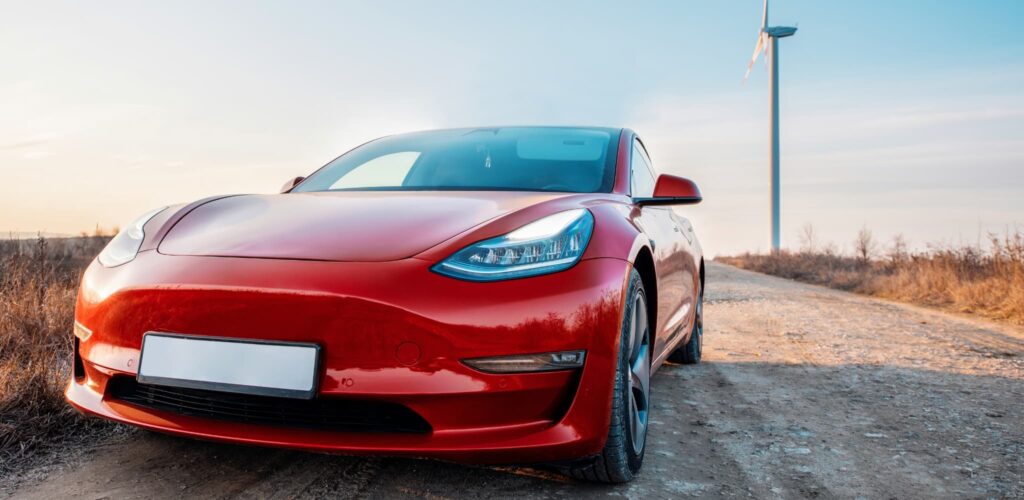
Tesla Model 3, Model Y, Model S, Model X, and Cybertruck Differences
Tesla Model 3 owners should pay close attention to the large rear glass area and installation quality. A one-piece rear installation can create a cleaner finish than a split setup. The Model Y has wide side and rear glass areas, making heat reduction and balanced tint selection especially important. Model S and Model X owners may focus more on panoramic glass and large windshield areas, while Cybertruck owners should choose shades with visibility and glass-layout considerations in mind.
| Tesla Model | Main Tint Consideration | Best Starting Discussion |
| Model 3 | Large curved rear glass | Rear privacy, heat control, and clean rear installation |
| Model Y | Large side and rear glass areas | Heat reduction and balanced rear tint |
| Model S | Panoramic glass and large windshield | Lighter ceramic tint and visibility |
| Model X | Large windshield and rear privacy glass | Heat control, glare, and glass measurement |
| Cybertruck | Unique glass shape and access points | Shade matching and professional installation planning |
Why Ceramic Tint Matters More Than Going Darker
Darker tint can reduce visible light and add privacy, but darkness alone does not determine heat rejection. Film technology, infrared rejection, UV protection, total solar energy rejection, and optical clarity can matter just as much.
Dark Tint Does Not Automatically Block More Heat
A basic dark dyed film may create a darker cabin but may not deliver the same thermal performance as a lighter high-quality ceramic film. This matters for Tesla owners because Teslas use large windshields, side windows, rear glass, and panoramic roof surfaces that allow sunlight into the cabin. A lighter ceramic film can help drivers reduce heat and glare while keeping better outward visibility. 3M’s Crystalline Series, for example, states that it can reject more heat than many darker films while maintaining a lighter appearance.
Why Ceramic Film Fits Tesla Glass
Ceramic film is a strong option for Tesla owners who want heat reduction without a metallic layer. Metal-free films can help avoid interference concerns with electronics, GPS, satellite radio, and mobile devices.
White Interior, Exterior Color, and Night Driving
The same tint percentage can look different depending on the Tesla interior, paint color, daylight angle, window size, and lighting conditions. This is why photos online should be used for inspiration, not as the final basis for your decision.
Tesla White Interior Can Make Tint Look Lighter
A white Tesla interior reflects more light than a black interior, which can make the tint appear lighter from outside during the day. A black interior can make the same film look darker and provide a stronger privacy effect. Exterior colors also influence the look. A 35% tint on a white Model Y may appear different from the same tint on a black Model 3 or gray Model S. Viewing samples on your own Tesla gives you a better sense of the final appearance. Compare the shades from outside and inside the vehicle, preferably in daylight and lower-light conditions.
Darker Tint Changes Night Visibility
Darker film reduces the light passing through the glass. That can make side mirrors, rear camera views, parking garages, rain, fog, and dim residential streets harder to see. The effect is more noticeable with 20% and 5% tint than with 35%, 50%, or 70% film. Tesla owners who drive late at night several times a week should think carefully before choosing 20% or darker rear tint. A 35% or 50% ceramic option can offer a better mix of comfort, privacy, and usable nighttime visibility.
Ask to View Tint Samples on Real Tesla Glass
Ask your installer to show 20%, 35%, 50%, and 70% film samples against the actual vehicle glass. Compare how each shade looks with your Tesla’s interior color and exterior paint. This helps prevent surprises after installation and gives you a clearer idea of the final VLT.
California Tesla Tint Rules: What Owners Should Know
California rules should be considered before tint is installed. The law is especially important for front side windows and the windshield.
Front Windows and Rear Windows Follow Different Rules
California Vehicle Code Section 26708 generally prohibits material on the windshield and side or rear windows when it obstructs or reduces the driver’s clear view. The statute includes separate exceptions for rear-side windows behind the driver and for rear windows on vehicles with properly positioned outside mirrors on both sides. The front side windows beside the driver and front passenger have stricter requirements. Front-window film must be clear, colorless, transparent, meet the stated VLT requirements, and include the required certification.
Medical Exceptions Have Separate Requirements
California law includes specific medical exceptions for qualifying clear, colorless, transparent material. These exceptions require documentation from licensed medical professionals and have their own conditions. The statute also states that certain sun-screening devices authorized under the medical exception cannot be used during darkness.
Tesla Window Tinting in Orange County
OC Tint Solutions serves Tesla owners in Anaheim, Costa Mesa, and across Orange County. The team can help compare tint shades based on final VLT, privacy needs, Tesla glass layout, heat reduction, glare control, and nighttime visibility. Our professional consultation helps you compare 20%, 35%, 50%, and 70% options on your actual Tesla glass before installation. This is especially useful if you have a white interior, drive at night often, want privacy for rear passengers, or are considering ceramic tint for heat control. This is also a reason to choose OC Tint Solutions for Tesla window tinting.
Can I use different tint percentages on the front and rear windows?
Yes. Many Tesla owners use different shades for front and rear windows. The rear can be selected based on privacy and appearance, while front side windows must be selected with California VLT requirements and certification rules in mind. For most Orange County Tesla owners, 35% is a strong rear-window starting point, 20% is a privacy-first option, and a lighter ceramic tint is useful for heat control while maintaining better visibility. Measure the glass first, confirm the final VLT, and choose a film percentage that fits how you actually drive.