When it comes to enhancing the comfort, energy efficiency, and aesthetics of your home, choosing the right window treatments can make all the difference. Two of the most popular options are window films and blinds, each offering its own unique set of benefits. But how do you know which one is the best for your home?
Whether you’re looking to block the sun’s harsh glare, reduce cooling costs, or improve privacy, this comparison between window film vs blinds will help you make the right decision. In this guide, we’ll dive deep into each option’s features, performance, and costs, giving you the insights needed to choose the best solution for your needs in Orange County, CA.
What Is Window Film?
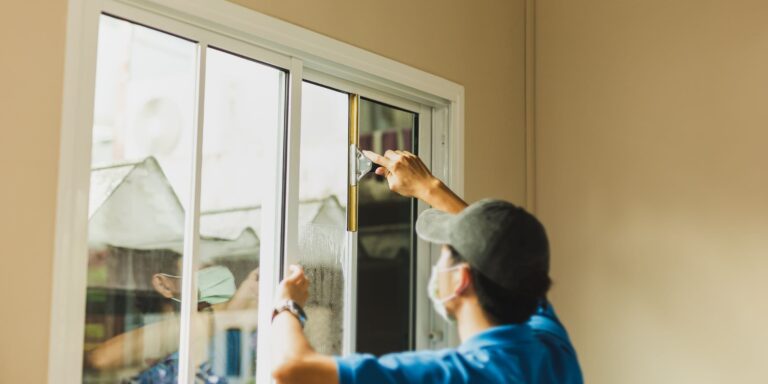
Window film is a thin, adhesive layer that can be applied to the interior surface of your windows. It’s designed to improve a variety of factors like energy efficiency, privacy, and UV protection. There are several types of window films available, including solar control, privacy, decorative, and security films.
How Does It Work?
Window film works by reflecting and absorbing sunlight, which helps reduce the amount of heat that enters your home. Some films also block harmful UV rays, protecting your skin and furniture from sun damage. For homes in Orange County, where sunlight is abundant throughout the year, window film can be a game-changer in terms of keeping your home cool and comfortable.
Key Benefits of Window Film:
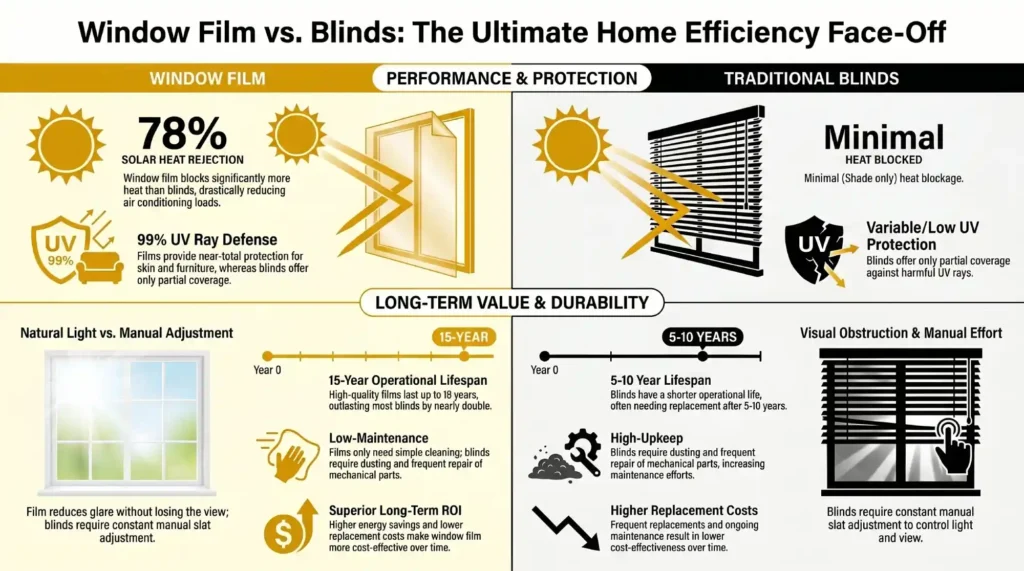
- Energy efficiency: Blocks up to 78% of solar heat and reduces the load on your air conditioning system.
- UV protection: Can block 99% of harmful UV rays, protecting both your health and your home.
- Privacy: Reflective films offer daytime privacy by making it difficult for outsiders to see into your home.
What Are Blinds?
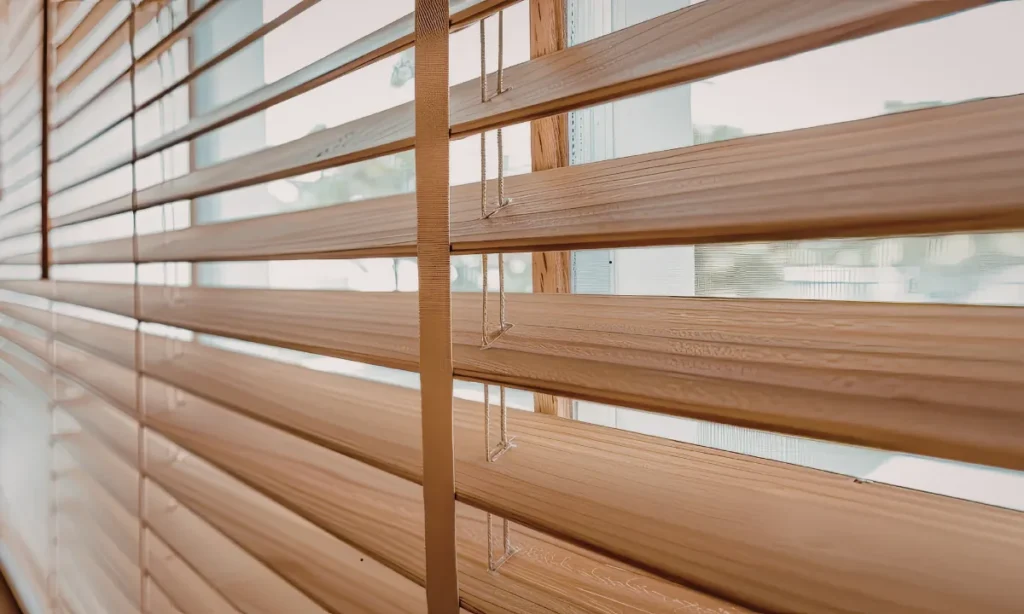
Blinds are another popular option for window treatments. They consist of horizontal or vertical slats that can be adjusted to control the amount of light and privacy in your home. Blinds come in a wide variety of materials, such as wood, fabric, aluminum, and vinyl.
How Do They Work?
Blinds work by allowing you to adjust the slats to control the amount of light and privacy in a room. You can tilt them to allow some sunlight to enter or close them completely for full privacy. While they do provide a level of privacy, they may not offer the same level of energy efficiency as window films.
Key Benefits of Blinds:
- Privacy control: You can adjust the slats to block outsiders’ view while still letting in some light.
- Light control: Easy to adjust the amount of sunlight entering your room.
- Aesthetic variety: Available in different styles, colors, and materials to match your home décor.
Performance Comparison: Window Film vs Blinds
Energy Efficiency: Which One Saves More?
Energy efficiency is one of the most important factors when deciding between window films and blinds. Both products offer benefits in terms of reducing energy consumption, but window films generally provide better performance.
Window Film:
Window films help by blocking solar heat, which reduces the workload of your air conditioner. Some solar control films block up to 78% of solar heat, making it easier to maintain a comfortable temperature without running your AC constantly. This results in lower cooling costs over time.
Blinds:
Blinds offer shade, which can help reduce the amount of heat that enters your home. However, they are not as effective as window films in heat rejection. Blinds can provide temporary relief by blocking sunlight, but they don’t have the same insulating properties that window films offer, especially in hot climates like Orange County.
Ready to improve your home’s energy efficiency and aesthetic appeal? Contact OC Tint Solutions today for professional window film installation.
UV Ray Protection: Which One Offers Better Defense?
Another important factor to consider is UV protection. Over time, exposure to UV rays can damage your skin and cause your furniture, floors, and curtains to fade. This is especially true in areas with high sun exposure, like Southern California.
Window Film:
One of the biggest advantages of window films is their ability to block up to 99% of harmful UV rays, protecting both your health and your home. This is especially important for preventing skin damage and sunburn caused by prolonged exposure to UV rays indoors. Additionally, window films help protect your furniture and flooring from sun damage and fading.
Blinds:
While blinds can provide some level of UV protection, they are not as effective as window films. Blinds may block some light, but they do not have a built-in mechanism to block UV rays unless they are made with special UV-blocking fabric.
Privacy Control: Which One Provides Better Privacy?
When it comes to privacy control, both window films and blinds have their advantages. However, each works in a different way.
Window Film:
Reflective window films are great for privacy, especially during the day. They make it difficult for outsiders to see into your home while still allowing light to come in. Films like frosted and textured options also offer privacy without obstructing your view.
Blinds:
Blinds offer adjustable privacy control. You can tilt the slats to block direct sightlines or close them completely to ensure full privacy. However, they require constant manual adjustment, which may not be as convenient as window films for all-day privacy.
Glare Reduction: Which One Reduces Glare More Effectively?
Both window films and blinds can reduce glare, but the way they do so differs.
Window Film:
Window films are designed to reduce glare by blocking a significant portion of sunlight. Solar control films can block up to 78% of solar heat and reduce glare, allowing you to enjoy natural light without the discomfort of harsh reflections.
Blinds:
Blinds can also help with glare by blocking some of the incoming light. However, they may not be as effective at reducing glare in areas where the sun’s rays are at an extreme angle, such as during midday.
Initial Cost: Which One Is More Affordable?
When it comes to initial cost, both window films and blinds vary in pricing depending on factors such as material quality, window size, and whether you opt for DIY installation or professional services.
Window Film:
The cost of window film can range from $4 to $12 per square foot for professional installation. For DIY projects, window film kits are available starting from $100 and can go up to $300 depending on the brand and quality. The price also varies depending on the type of window film you choose. For instance, solar control window films or privacy films may cost more due to the technology involved in blocking heat or increasing privacy.
Blinds:
The cost of blinds is also dependent on the material and the type of blinds you choose. On average, vertical blinds or roller blinds can cost between $50 to $150 per window, while custom blinds made from wood or fabric can reach $200 or more per window. The size and complexity of the installation can further increase the cost, particularly for large windows.
Comparison:
While DIY blinds may seem more affordable upfront, window films often provide better value for money when factoring in the long-term energy savings and UV protection. In the long run, window films can offset the initial cost through lower energy bills, making them a more cost-effective option for homeowners looking to invest in sustainable home improvements.
Maintenance: Which One Requires Less Upkeep?
One of the standout benefits of window film is its low maintenance. Once installed, these films require minimal upkeep. Regular cleaning with a soft, non-abrasive cloth and a gentle cleaning solution is all it takes to keep your window films in top condition. High-quality films, such as 3M Prestige Window Films, are designed to resist fading and scratching, which means they maintain their appearance for many years.
While it is crucial to avoid using harsh chemicals or abrasive materials that could damage the film, window films themselves are durable and long-lasting with proper care. On average, window films can last between 10 and 15 years, depending on the quality and the conditions they are exposed to.
Blinds:
Blinds require more regular care and maintenance compared to window films. For example:
- Wooden blinds are prone to warping or cracking when exposed to moisture or heat, requiring careful maintenance.
- Fabric blinds need frequent dusting and deep cleaning to remove dust and allergens.
- Metal blinds may require occasional cleaning to prevent dirt buildup and scratches.
Moreover, blinds can wear out more quickly compared to window films, especially if they’re made of low-quality materials. Over time, the slats can become misaligned, broken, or damaged, requiring either repairs or replacements.
Comparison:
Window films require less maintenance and are generally more durable than blinds. Once installed, they continue to perform effectively with minimal upkeep. On the other hand, blinds require regular cleaning and occasional repairs or replacements, adding to their long-term maintenance costs.
Durability: Which One Lasts Longer?
Window Film:
High-quality window films are incredibly durable and can last anywhere from 10 to 15 years with proper installation and care. These films are made to withstand everyday wear and tear, including exposure to sunlight, temperature fluctuations, and regular cleaning. Premium options like 3M Prestige Window Films offer heat rejection and UV protection while maintaining their effectiveness over time.
Because window films are installed on the interior of windows, they are less likely to be affected by external factors like rain, wind, or moisture, which means they maintain their performance for a longer period.
Blinds:
While blinds can also last a long time, they are subject to more wear and tear due to their mechanical parts (like cords or slats) and their exposure to environmental factors. Wooden blinds may warp or crack in humid environments, while fabric blinds can become stained or faded from prolonged exposure to sunlight. On average, blinds have a lifespan of about 5 to 10 years, with a higher likelihood of damage and the need for replacement or repair.
Comparison:
Window films are the more durable option for long-term performance and cost-effectiveness, while blinds may require replacement or repair sooner due to material wear and tear.
Customization: Which One Offers More Personalization?
Window Film:
Window films are highly customizable, both in terms of functionality and design. You can choose from a range of tints, patterns, and opacity levels to suit your specific needs. Whether you want a solar control film to keep your home cool or a decorative etched film to add style, window films can be tailored to meet your aesthetic and privacy requirements.
Custom logo graphics or frosted patterns can also be applied, making window films a personalized option for homes or businesses looking for a unique touch.
Blinds:
Blinds are also highly customizable in terms of materials, slat sizes, and colors. Whether you prefer wooden, metal, or fabric blinds, there is a wide variety of options to choose from. You can adjust slat sizes to let in just the right amount of light or customize the color and texture to match your home décor.
However, unlike window films, the customization of blinds is limited to material and slat orientation, which means you don’t get the same level of personalization in terms of aesthetic patterns or UV protection.
Comparison:
Blinds offer greater flexibility for material and light control customization, but window films provide more unique design options and functional customization.
Which Option Is Best for Your Home in Orange County?
In Orange County, CA, where the sun shines year-round, both window films and blinds offer advantages. However, for homeowners seeking energy efficiency, UV protection, and consistent privacy, window films are the better option. They provide long-term savings, require minimal maintenance, and offer a sleek, modern look.
On the other hand, if you prefer flexibility in light control and enjoy adjusting the aesthetic style of your windows, blinds may be the right choice for you. They allow for more customization in terms of material and design, and they can be ideal for traditional or classic interiors.
| Feature | Window Film | Blinds |
|---|---|---|
| Energy Efficiency & Heat Block | Blocks up to 78% of solar heat; reduces cooling costs by lowering AC workload. | Provides shade but less effective than film; lacks similar insulating properties. |
| UV Protection | Blocks up to 99% of harmful UV rays. | Provides some protection but less effective than film; requires special UV-blocking fabric. |
| Privacy Control | Reflective films offer daytime privacy; frosted and textured options available; does not obstruct views. | Adjustable slats for blocking sightlines; requires constant manual adjustment. |
| Initial Cost Range | $4 to $12 per sq. ft. (professional) or $100 to $300 (DIY kits). | $50 to $150 per window (vertical or roller) to $200+ (custom wood or fabric). |
| Lifespan & Durability | 10 to 15 years; resistant to fading and scratching; less affected by external moisture. | 5 to 10 years; subject to mechanical wear and environmental damage such as warping or cracking. |
| Maintenance Requirements | Low maintenance; requires regular cleaning with a soft cloth and gentle solution. | High maintenance; requires regular dusting, deep cleaning, and repairs for misaligned slats. |
| Customization Options | Range of tints, patterns, and opacity; custom logo graphics or etched and frosted designs. | Variety of materials (wood, metal, fabric), slat sizes, and colors; limited by material and orientation. |
Final Thoughts: Making Your Decision
Both window films and blinds have their place in modern homes. If you’re looking for a low-maintenance, energy-efficient solution with UV protection, window films provide the most benefits. On the other hand, if you prefer more adjustability in controlling light and privacy, and if you enjoy having a wider variety of materials and designs, blinds might be a better fit.
For those in Orange County, where the sun can be intense, window films offer the added bonus of reducing the heat and glare while saving on energy costs. If you’re ready to enhance your home’s comfort, privacy, and style, and enjoy long-term savings, OC Tint Solutions is here to help with expert window film installation.