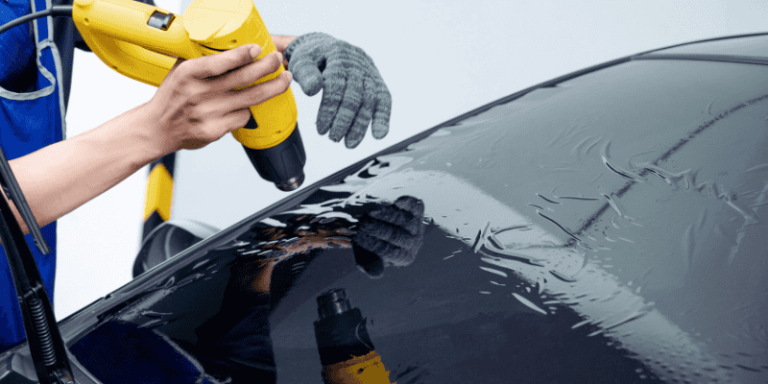

Car window tinting is more than just an upgrade for comfort and style; it is also a matter of legal compliance. Every state in the U.S. has its own rules on how dark or reflective your tint can be, and breaking these rules can lead to costly fines, failed inspections, or even mandatory removal of the tint. Many drivers are surprised to learn that what is legal in one state can be completely illegal in another. For example, California requires a high level of visible light transmission (VLT) on the front windows, while states like Florida allow darker tints.
This variation makes it important for vehicle owners to understand their local regulations before installing new film. In our content, you’ll learn the meaning of legal terms such as VLT and AS-1 line, see a complete breakdown of state-by-state tint laws, and get practical advice on how to stay compliant while still enjoying the benefits of window film.
Key Legal Terms & Measurement Standards
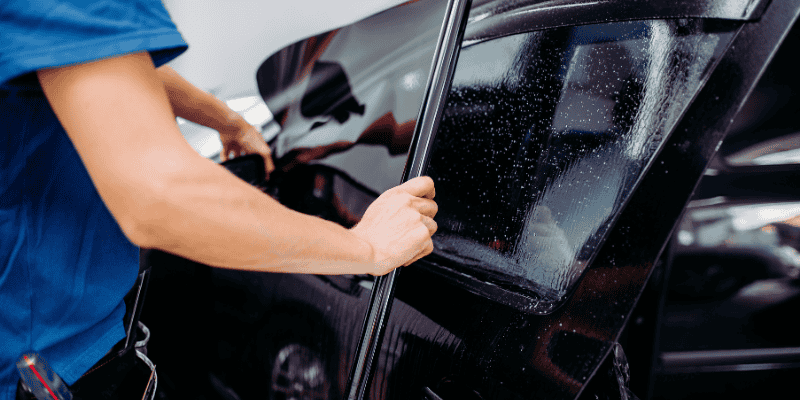
Before diving into each state’s law, it is essential to understand the language used in tint regulations. The most common standard is VLT (Visible Light Transmission), which measures how much light passes through the window after tinting. A higher VLT means lighter tint, while a lower VLT means darker tint. For example, 70% VLT is much lighter than 20% VLT. Many states also regulate reflectivity, which prevents window film from being excessively shiny or mirror-like, as this can cause glare for other drivers.
Another key rule involves the AS-1 line, a marking found on most windshields that shows how far tint can extend downward. Some states allow non-reflective tint only above this line. In addition, color restrictions are common; red, amber, and sometimes blue or yellow films are prohibited in many regions. Finally, some states provide medical exemptions that allow drivers with certain health conditions to use darker films. Law enforcement officers measure compliance with tint meters, which calculate the exact VLT percentage during roadside checks.
How Tint Laws Differ by State in the U.S.
Window tint laws are far from uniform across the country. Some states, like New Jersey and New Hampshire, prohibit any tinting on the front windows, while others, such as Arizona and Florida, allow much darker shades. This creates challenges for drivers who travel across state lines, as a tint that is perfectly legal at home may not be compliant elsewhere.
The table below highlights front side windows, back side windows, rear windows, windshields, and reflectivity rules for every state. This makes it easy to compare your state’s requirements with neighboring states.
| State | Front Side Windows | Back Side Windows | Rear Windows | Windshield | Reflectivity | Other Restrictions |
| Alabama | 32% | 32% | 32% | 6 inches | No more than 20% reflective | None |
| Alaska | 70% | 40% | 40% | 5 inches | No metallic or mirrored tinting | No red, yellow, or amber tinting allowed |
| Arizona | 33% | Any | Any | To AS-1 line | No more than 35% reflective | Red and amber not permitted; dual mirrors required if rear tinted |
| Arkansas | 25% | 25% | 10% | 5 inches | No metallic or mirrored tinting | None |
| California | 70% | Any | Any | 4 inches | No more reflective than standard window | Red, amber, and blue banned; dual mirrors required if rear tinted |
| Colorado | 27% | 27% | 27% | 4 inches | No metallic or mirrored tinting | Red and amber not permitted; dual mirrors required if rear tinted |
| Connecticut | 35% | 35% | Any | Above AS-1 line | Max 21% reflective | Dual mirrors required if rear tinted |
| Delaware | 70% | Any | Any | Above AS-1 line | No metallic or mirrored tinting | Dual mirrors required if rear tinted |
| Florida | 28% | 15% | 15% | Above AS-1 line | Max 25% reflective | Dual mirrors required if rear tinted |
| Georgia | 32% | 32% | 32% | 6 inches | Max 20% reflective | Red and amber not allowed |
| Hawaii | 35% | 35% | 35% | Must allow 70% light | No metallic or mirrored tinting | Dual mirrors required if rear tinted |
| Idaho | 35% | 20% | 35% | To AS-1 line | Max 35% reflective | Dual mirrors required if rear tinted |
| Illinois | 35% | 35% | 35% | 6 inches | Must be non-reflective | Dual mirrors required if rear tinted |
| Indiana | 30% | 30% | 30% | To AS-1 line | Max 25% reflective | None |
| Iowa | 70% | Any | Any | To AS-1 line | No excessive reflection | None |
| Kansas | 35% | 35% | 35% | To AS-1 line | No metallic or mirrored tinting | Red, amber, yellow banned; dual mirrors if rear tinted |
| Kentucky | 35% | 18% | 18% | To AS-1 line | Max 25% reflective | None |
| Louisiana | 40% | 25% | 12% | To AS-1 line | Max 20% reflective | None |
| Maine | 35% | Any | Any | 4 inches | Must be non-reflective | Dual mirrors required if rear tinted |
| Maryland | 35% | 35% | 35% | 5 inches | No law | Red, amber, yellow banned; dual mirrors required |
| Massachusetts | 35% | 35% | 35% | 6 inches | Max 35% reflective | Dual mirrors required |
| Michigan | 4 inches only | Any | Any | 4 inches | Max 35% reflective | None |
| Minnesota | 50% | 50% | 50% | None allowed | Max 20% reflective | None |
| Mississippi | 28% | 28% | 28% | To AS-1 line | Max 20% reflective | None |
| Missouri | 35% | Any | Any | To AS-1 line | Max 35% reflective | Dual mirrors required if rear tinted |
| Montana | 24% | 14% | 14% | To AS-1 line | Max 35% reflective | None |
| Nebraska | 35% | 20% | 20% | 5 inches or AS-1 | Max 35% reflective | Red, amber, yellow banned |
| Nevada | 35% | Any | Any | To AS-1 line | No law | None |
| New Hampshire | No tint | 35% | 35% | 6 inches | No metallic or mirrored | Dual mirrors required |
| New Jersey | No tint | Any | Any | No tint | No metallic or mirrored | Dual mirrors required |
| New Mexico | 20% | 20% | 20% | 5 inches or AS-1 | No law | Dual mirrors required |
| New York | 70% | 70% | Any | 6 inches | No metallic or mirrored | Dual mirrors required |
| North Carolina | 35% | 35% | 35% | To AS-1 line | Max 20% reflective | Red, amber, yellow banned |
| North Dakota | 50% | Any | Any | Must allow 70% | No metallic or mirrored | Dual mirrors required |
| Ohio | 50% | Any | Any | Must allow 70% | No more reflective than standard | None |
| Oklahoma | 25% | 25% | 25% | 5 inches or AS-1 | Max 20% reflective | Dual mirrors required |
| Oregon | 35% | 35% | 35% | 6 inches | Max 13% reflective | Red, green, yellow, black, amber banned |
| Pennsylvania | 70% | 70% | 70% | None allowed | No metallic or mirrored | Dual mirrors required |
| Rhode Island | 70% | 70% | 70% | To AS-1 line | No law | None |
| South Carolina | 27% | 27% | 27% | To AS-1 line | Must be non-reflective | Red, amber, yellow banned |
| South Dakota | 35% | 20% | 20% | To AS-1 line | No metallic or mirrored | None |
| Tennessee | 35% | 35% | 35% | To AS-1 line | No metallic or mirrored | None |
| Texas | 25% | 25% | Any | 5 inches or AS-1 | Max 25% reflective | Red, amber, blue banned; dual mirrors required |
| Utah | 43% | Any | Any | To AS-1 line | No metallic or mirrored | Dual mirrors required |
| Vermont | No tint | Any | Any | To AS-1 line | No metallic or mirrored | Dual mirrors required |
| Virginia | 50% | 35% | 35% | To AS-1 line | Max 20% reflective | Red, amber, yellow banned |
| Washington | 24% | 24% | 24% | 6 inches | Max 35% reflective | Red, green, yellow, black, amber banned |
| Washington D.C. | 70% | 50% (cars), 35% (SUVs) | 50% (cars), 35% (SUVs) | 5 inches or AS-1 | No law | None |
| West Virginia | 35% | 35% | 35% | 5 inches | Max 20% reflective | Red, amber, yellow banned |
| Wisconsin | 50% | 35% | 35% | To AS-1 line | No law | Dual mirrors required |
| Wyoming | 28% | 28% | 28% | 5 inches or AS-1 | Max 20% reflective | Dual mirrors required |
This information helps drivers quickly identify what is allowed and avoid costly mistakes. For instance, while California requires 70% VLT on front windows, Florida permits much darker 28% VLT, but both demand dual mirrors if the rear window is tinted.
Penalties, Enforcement & Compliance Risks
Ignoring tint laws may seem harmless, but it often results in costly penalties. The most common consequences are fines that can range from $50 to several hundred dollars, depending on the state and the number of offenses. In some jurisdictions, officers may issue “fix-it” tickets, requiring drivers to remove or replace the illegal tint within a set timeframe. Repeat violations can escalate into higher fines and even failed vehicle inspections. Enforcement usually occurs during traffic stops when officers use handheld tint meters to measure the window’s VLT percentage.
Some states also include tint checks in annual safety inspections, which means a non-compliant vehicle cannot pass until corrected. Beyond fines, there are hidden risks; insurance claims may be denied if an accident occurs in a car with illegal tint, and some manufacturers void warranties if the film does not meet legal standards. Choosing to ignore these laws can end up costing far more than the price of a proper, legal installation.
How to Stay Compliant & Choose the Right Tint Legally
Staying within the law starts with knowing the specific tint regulations in your state. The most reliable sources are your state’s Department of Motor Vehicles (DMV) website or official state code. Professional installers are also knowledgeable, as they work with these rules daily. When choosing film, always confirm its Visible Light Transmission (VLT) rating, reflectivity, and whether it is allowed on the windshield above the AS-1 line. Look for certifications or film labels that indicate compliance.
A professional shop will often provide documentation after installation, which can help if you are questioned by law enforcement. Avoid buying films online without verifying their specifications, as some may not meet your local standards. For long-term protection, choose an installer who measures the tint with calibrated equipment before applying it and who provides a written warranty confirming the film’s legality. This approach ensures peace of mind and prevents legal troubles in the future.
Case Studies: States to Watch (Examples)
Tint laws in California, Florida, Texas, and New York demonstrate how different states balance safety and comfort. California is among the strictest, requiring 70% VLT on front side windows. Texas is more lenient, allowing 25% on front windows, while Florida goes even darker with 28%. New York also requires 70% VLT but enforces tint laws aggressively with random roadside checks.
These variations underscore the importance of checking state-specific rules, particularly for drivers who frequently travel across state borders. In recent years, enforcement has tightened in several states due to safety concerns, with officers issuing more tickets for non-compliant tint. This trend suggests that stricter regulation could spread to other states in the future. For installers and drivers, staying ahead of these changes means avoiding costly adjustments later.
International / Other Jurisdictions Brief
While this guide focuses on U.S. laws, it is worth noting how other countries regulate window tinting. In Canada, most provinces allow light tinting on rear windows but ban it on windshields and front side windows. European countries, such as Germany and the UK, typically enforce very high VLT percentages on front windows to maximize visibility.
Some countries in the Middle East, where sun exposure is extreme, permit darker tints but still restrict reflective films. These differences show that tinting is regulated globally with safety and enforcement in mind. Compared with U.S. states, many international jurisdictions adopt stricter visibility rules, making compliance even more important for travelers who ship or import vehicles abroad.
Final Key Takeaways & Legal Checklist for Drivers
Understanding tint laws helps you avoid penalties and ensures safe driving conditions. The most important rules focus on:
- Front window VLT % – usually the most restricted.
- Windshield tinting – often limited to the AS-1 line.
- Reflectivity and color restrictions – to prevent glare.
- Side mirrors – often required if rear windows are dark.
Checklist before tinting your car:
- Verify your state’s official tint law.
- Confirm the VLT percentage and reflectivity of the film.
- Ask your installer for compliance documentation.
- Check for color bans (red, amber, blue in many states).
- Ensure you have dual side mirrors if applying dark rear tints.
Why OC Tint Solutions Ensures Legal & High-Quality Tint Service
At OC Tint Solutions, compliance is just as important as style and comfort. Our team stays updated on state-specific laws, ensuring every installation meets legal requirements. We use high-quality films with verified VLT ratings and provide documentation to protect you if questioned by law enforcement. Our installers are trained to measure and apply tint accurately, preventing errors that could lead to legal or warranty issues. With services available in Anaheim, Costa Mesa, and nearby areas, we offer drivers peace of mind through proper installation, warranty-backed products, and expert aftercare support. By choosing OC Tint Solutions, you invest in a tint that enhances your driving experience while keeping you fully compliant with the law.