Many drivers feel frustrated when their new car starts showing rock chips, scratches, or dull spots far earlier than expected. Even careful owners deal with issues like bug stains, road debris, salt, bird droppings, and fading from long days in the sun. The paint on modern cars looks great, but it isn’t as tough as people think. This is why more vehicle owners across the US are seeking a strong, long-lasting way to protect their car’s exterior. Paint Protection Film (PPF) has become the go-to option because it solves the most significant problems that ruin a car’s paint early in its life.
If you’re considering PPF but unsure what it actually does or whether the cost makes sense, this guide will give you a clear, honest explanation. As a company that specializes in PPF, tinting, and ceramic coating, OC Tint Solutions installs this product every day, and we understand what matters to drivers.
What Is Paint Protection Film?
Paint Protection Film is a transparent, flexible urethane film that is applied on top of your vehicle’s paint to shield it from damage. It’s often called “clear bra,” and it acts as a physical barrier between your paint and the things that usually scratch, chip, or fade it. Modern PPF is far more advanced than older films. Today’s versions feature stronger top coats, improved clarity, enhanced UV resistance, and the ability to self-heal light scratches when warmed by the sun or heat.
Unlike vinyl wrap, which changes a car’s color, PPF is built for protection. It is thicker than vinyl and designed to absorb impact before the damage reaches your paint. This makes it popular for new cars, luxury vehicles, trucks, SUVs, and even daily commuters who want their car to stay clean and well-kept for years. It’s also compatible with other car protection services like ceramic coating over PPF, which many customers choose for easier maintenance.
What Does Paint Protection Film Do?
Paint Protection Film provides a wide range of benefits that help your car stay clean, glossy, and damage-free for years. Here’s a closer look at what it actually protects against.
1. Prevents Rock Chips and Road Rash
Small stones, gravel, and debris on highways can chip paint in seconds. PPF absorbs these impacts so the damage never touches your factory paint. This is especially helpful in states with long highways, busy construction areas, or winter roads where sand and salt are common.
2. Blocks Bug Acids, Bird Droppings, and Tree Sap
Organic contaminants can leave marks that eat into the clear coat. PPF keeps these materials on the surface so they can be cleaned without permanent staining.
3. Helps Reduce UV Fading
PPF includes UV inhibitors that help reduce fading and maintain a consistent color throughout the car. This is important in sunny regions because long-term UV exposure weakens the clear coat over time.
4. Self-Heals Light Scratches
The top layer of PPF is engineered to smooth out minor scratches when heated. This includes marks from car washes, swirl marks, and light abrasions. It keeps the car’s finish looking fresh longer, without buffing or polishing.
5. Maintains Gloss or Matte Finish
PPF enhances shine on glossy paint or protects the unique texture of matte paint. Cars with matte paint benefit even more because matte finishes cannot be polished if damaged.
6. Preserves Resale Value
A PPF car usually sells for more because the paint underneath is in better condition. Dealerships and private buyers appreciate the fact that the exterior has been cared for and protected.
Is Paint Protection Film Worth It?
Most US drivers find that PPF is worth the investment, especially if the vehicle is new, recently repainted, or holds substantial resale value. The film prevents costly paint damage that would otherwise require repainting or touch-ups, which can be far more expensive than installing PPF in the first place. For people who commute daily, drive on highways, or park in areas with tree sap and bird activity, the benefits add up quickly.
PPF is especially valuable for:
- New vehicles
- High-end models like BMW, Mercedes, Lexus, Tesla, Audi
- Black or dark-colored cars (because scratches show more easily)
- Cars are frequently driven on highways.
- Pickup trucks exposed to sand, gravel, and cargo scratches
- Homeowners who park outside year-round
There are cases where PPF might not be necessary, such as older vehicles with worn paint, cars with low resale value, or cars with significant surface damage. But for most drivers who want their vehicle to stay clean and fresh for years, PPF offers meaningful protection that repainting can’t match.
How Paint Protection Film Works?
PPF is made of several layers that work together to shield your paint. Each layer plays a key role in protecting your vehicle.
Top Coat Layer
This is the glossy, slick surface that allows the film to self-heal and resist scratches. It also helps prevent stains and makes the car easier to clean. Water beads up and rolls off faster due to the hydrophobic properties.
Urethane Impact Layer
This middle layer is designed to absorb impact from rocks, road debris, and random scratches. Urethane is flexible, strong, and stretches without tearing, which makes it effective for automotive protection.
Adhesive Layer
The bottom layer sticks the film to the paint. Modern adhesives are transparent, flexible, and designed to avoid yellowing. They maintain transparency so the car’s factory color shows through naturally.
How Self-Healing Works
When the film warms up, either in sunlight, with warm water, or with a heat source, the surface becomes soft enough to relax and remove light scratches. This process happens automatically and does not require special tools.
Why PPF Is Stronger Than Ceramic Coating
Ceramic coating offers surface hardness and shine but cannot stop rock chips. PPF actually absorbs the hit. Many drivers get both because ceramic on top of PPF makes maintenance easier and boosts gloss.
Whenever you need expert installation for PPF, ceramic coating, or tint, OC Tint Solutions provides professional service using high-quality films installed through a precise, careful process. Our team ensures a clean, smooth fit that lasts for years.
How Paint Protection Film Is Installed (Step-by-Step Process)
- Installing Paint Protection Film is a detailed process that requires precision, steady hands, and the right tools. A proper installation makes the film look smooth and nearly invisible, while a poor installation can leave bubbles, uneven edges, or peeling corners. This is why most drivers in the US prefer to have PPF installed by trained professionals like OC Tint Solutions, which uses computer-cut patterns and high-quality films to ensure a clean finish.
- The process always begins with a thorough wash. The car is cleaned from top to bottom to remove dirt, dust, and old wax. Any contamination left on the vehicle can create bumps under the film, so installers often use clay bars and surface cleaners to make sure the paint is spotless. If the car has swirl marks or light scratches, a light polishing pass may be done to even out the paint before applying the film.
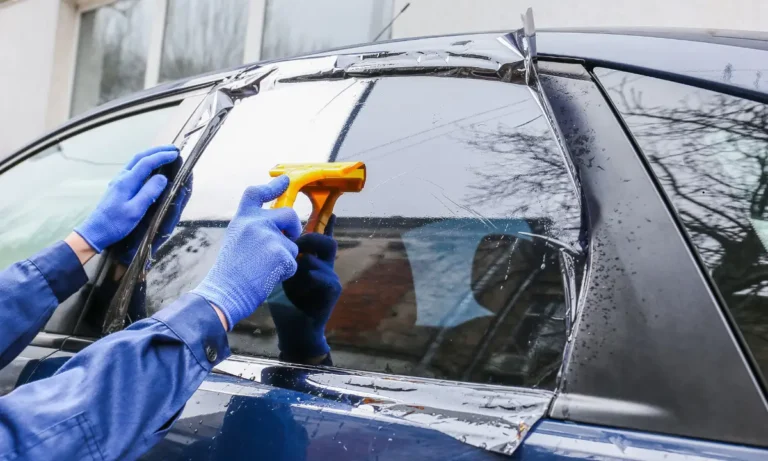
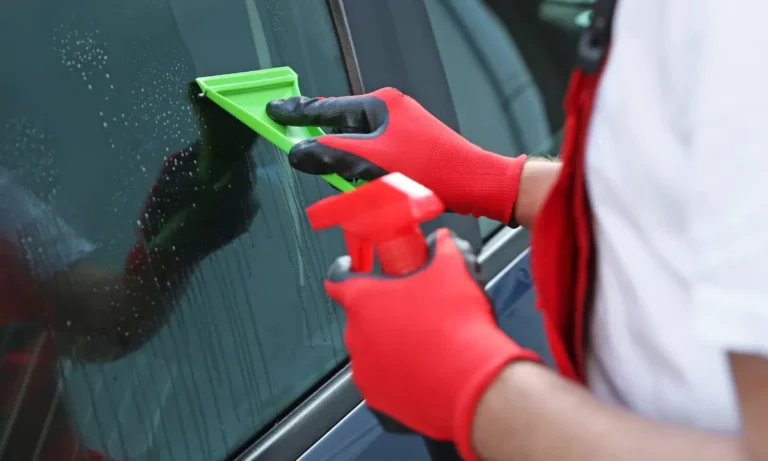
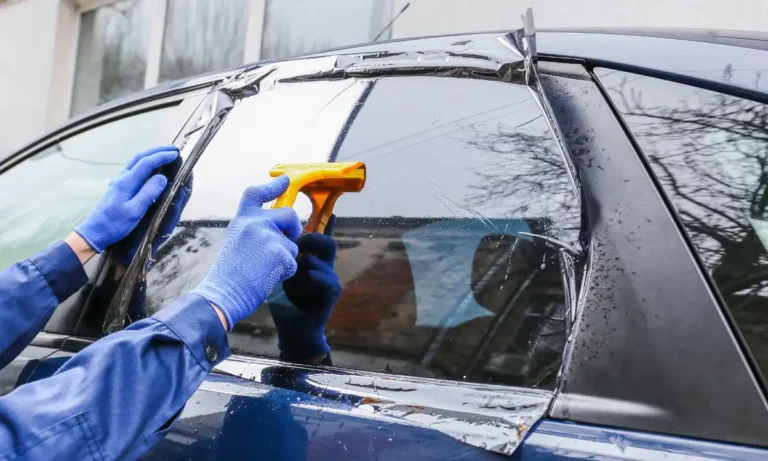
- Next, the installer prepares the film. Modern shops use plotter machines to cut the film to fit the exact year, make, and model of the vehicle. This reduces cutting on the car and lowers the chance of damage. Some sections may still need hand trimming, especially around tight corners or custom parts. The installer sprays a special slip solution onto the surface to allow the film to glide into place. Once positioned, the film is pressed down using squeegees to remove water and air. Edges are sealed and wrapped for a cleaner look.
- The final step is curing. The film needs time to settle, which can take a few days depending on temperature and humidity. During this period, small bubbles or moisture pockets may appear, but they usually disappear as the film dries. The installer will also conduct a final inspection to ensure edges are tight and the finish is smooth.
How Long Does Paint Protection Film Last
Paint Protection Film is built to last several years, but its lifespan depends on the brand, climate, driving conditions, and upkeep. On average, good-quality PPF lasts 7 to 10 years, but some premium films can last even longer. High-end brands use improved top coats that resist yellowing, staining, and cracking. If maintained properly, the film stays clear and strong throughout its lifespan.
Sun exposure is one of the most significant factors that affects PPF durability. Cars parked outside daily may age faster than those kept in garages. Road salt, winter weather, gravel, and harsh chemicals can also shorten the film’s life. However, these conditions would damage unprotected paint even faster, so having PPF still offers a major advantage.
To understand longevity better, here is a simple table:
| Factor | Impact on Lifespan |
| Premium film brand | Can last up to 10+ years |
| Constant sun exposure | May reduce lifespan by 2–3 years |
| Regular washing | Helps film stay clear and smooth |
| Low-quality installation | Causes early lifting or cracking |
| Ceramic coating on top | Adds longer protection |
Pros and Cons of Paint Protection Film
Every protection product has strengths and weaknesses. Drivers appreciate PPF for its toughness, but it’s helpful to understand both sides before making a decision.
Pros of PPF
- Impact protection: Stops rock chips, debris marks, and surface damage before they reach the paint.
- Self-healing surface: Removes minor scratches when warmed by sunlight or heat.
- UV resistance: Helps slow down oxidation and fading.
- Hydrophobic surface: Water beads up and slides away, making the car easier to clean.
- Gloss enhancement: Keeps the car shiny and smooth for years.
- Protects resale value: Paint stays cleaner and in better shape.
- Safe for matte paint: Maintains the matte finish without altering texture.
Cons of PPP
- Cost: More expensive than ceramic coating or wax.
- Not unbreakable: It won’t stop deep scratches or dents from significant impacts.
- Installation quality varies: Cheap installations may lead to peeling, bubbles, or rough edges.
- Requires proper care: Poor maintenance can shorten lifespan.
Even though PPF has a higher upfront cost, many drivers see a return on investment because they avoid repainting, buffing, and deep scratch repair. If you’re unsure about PPF or comparing it to ceramic coating, OC Tint Solutions can explain what’s best for your car and driving habits.
PPF vs. Ceramic Coating: Which One Should You Choose?
Drivers often compare Paint Protection Film and ceramic coating because they both protect the exterior, but they serve different purposes. PPF is built to stop physical damage such as rock chips and deep scratches. Ceramic coating focuses on adding shine, improving water beading, and making the car easier to clean. Many people think they need to choose one or the other, but it helps to compare their strengths before making a decision.
PPF is thicker and absorbs impact, making it the better option for people who drive long distances, live near construction areas, or frequently travel on roads with loose gravel. Ceramic coating is much thinner and works more like a long-lasting protective layer against dirt, UV rays, and water spots. It boosts shine and helps maintain the car’s appearance, but it cannot prevent chips or heavy scratches. For this reason, many customers start with PPF in the high-impact areas, such as the front bumper, hood, and fenders, and then apply ceramic coating over the whole car.
In simple terms, choose PPF for impact protection and ceramic coating for shine, smoothness, and easy maintenance. If you want the most potent combination of safety and appearance, getting both gives you the best long-term results.
Can You Combine PPF and Ceramic Coating? (Why Many Drivers Do)
Yes, and it’s actually one of the most popular setups among car owners who want long-lasting protection. PPF handles the physical protection by absorbing impact from stones and debris. Ceramic coating improves gloss and makes cleaning much easier, while also helping to reduce stains and watermarks. When applied together, they work as a complete system.
Once PPF is installed and fully cured, a ceramic coating can be applied on top. This adds a slick finish that repels dirt and water, making the film stay cleaner for longer. It also reduces the chance of swirl marks. Ceramic coating won’t prevent rock chips, but it enhances the film’s appearance and extends its lifespan.
Combining both is especially helpful for dark-colored cars, which tend to show marks, dust, and swirl lines more than lighter colors. It’s also beneficial for vehicles parked outdoors or used on long trips. OC Tint Solutions offers both PPF and ceramic services, and many customers choose this combo because it keeps their cars looking newer for years.
Maintenance Guide: How to Care for Paint Protection Film
PPF is durable, but it still needs proper care to stay transparent, glossy, and strong. The good news is that maintenance is simple. Drivers mainly need to avoid harsh chemicals and rough washing tools. With good care, the film will look smooth and last much longer.
The first week after installation is the most important. The film needs time to settle, so it’s best to avoid pressure washing or touching the edges. Once cured, regular washing keeps the movie in excellent condition. Use a pH-neutral car shampoo, soft wash mitts, and clean microfiber drying towels. This prevents swirls and keeps the top coat healthy.
Here is a simple maintenance checklist:
- Wash the vehicle every 1–2 weeks
- Avoid automatic car washes with brushes.
- Use gentle soaps
- Remove bird droppings and bug stains as soon as possible
- Do not use abrasive compounds or polishes.
- Avoid petroleum-based chemicals
- Apply ceramic coating on top for easier cleaning (optional)
PPF does not require waxing, but you can use waxes or sprays that are safe for film.
Common Myths About Paint Protection Film
Many drivers have heard various things about PPF, some of which are misleading. Clearing up these myths helps you make a better decision for your car.
Myth 1: PPF ruins your paint.
PPF does not damage paint when installed or removed correctly. In fact, it protects paint from damage that usually leads to expensive repairs.
Myth 2: PPF always turns yellow.
Older films were known to yellow, but modern high-quality films are engineered to resist discoloration. Yellowing usually happens only with low-quality or counterfeit film.
Myth 3: PPF is only for luxury cars.
Drivers of all types of vehicles use PPF, trucks, SUVs, family cars, EVs, and daily commuters. Protection is useful regardless of the vehicle price.
Myth 4: PPF makes the paint look dull.
Good film improves clarity and shine. Matte PPF is available for people who want a satin look.
Myth 5: Ceramic coating does the same thing as PPF.
Ceramic coating helps with shine and cleaning but cannot stop rock chips or scratches. PPF and ceramic are different, and each serves its own purpose.
How Much Does PPF Cost: and How Do You Measure “Worth It”?
The cost of PPF varies based on coverage, brand, and installation. In the United States:
- Partial coverage (hood, fenders, mirrors, bumper): $500–$1,500++
- Full car coverage: $2,500–$6,000++
The investment should be evaluated by potential return on investment:
- Avoiding paint repairs from chips, scratches, and UV damage.
- Maintaining resale value with pristine paint.
- Reducing ongoing maintenance costs like waxing or polishing.
| Coverage Type | Average Cost | Typical Benefits | ROI Perspective |
| Partial Coverage | $500–$1,500++ | Protects high-impact areas, moderate cost | Saves on minor paint repairs |
| Full-Car Coverage | $2,500–$6,000++ | Maximum protection includes the entire vehicle body | Preserves overall appearance & resale value |
Protect Your Vehicle the Right Way with OC Tint Solutions PPF and Tint Service
At OC Tint Solutions, we specialize in keeping your vehicle looking its best while protecting it from daily wear and environmental damage. Our professional Paint Protection Film (PPF) and window tinting services are designed to shield your car from rock chips, scratches, UV rays, and fading, ensuring that your investment stays in top condition for years. Using high-quality films from trusted brands and installed by experienced technicians, we guarantee a flawless finish that enhances both protection and appearance. Whether you drive a luxury car, a daily commuter, or an off-road vehicle, OC Tint Solutions delivers durable, reliable, and affordable protection tailored to your needs.
What Steps Should You Take If You Decide PPF Is Worth It?
- Choose a Certified Installer: Look for affiliations with brands like XPEL, 3M, or SunTek and verify experience and warranty coverage.
- Decide on Coverage Areas: Evaluate risk zones such as hood, fenders, mirrors, bumpers, and door edges. Full-car coverage is ideal for high-value or frequently driven vehicles.
- Understand Maintenance: Clean only with ammonia-free cleaners and soft microfiber towels; avoid abrasive materials. Consider ceramic coating on top for added protection.
- Ask Key Questions Before Booking: Ensure warranty terms, expected lifespan, and removal guidelines are clearly explained. Review previous work samples and installation reviews.
These steps ensure your PPF investment is effective, long-lasting, and aligned with your vehicle care goals.
Conclusion: Is PPF Worth It for You?
Paint Protection Film is a smart investment for drivers seeking long-term protection, reduced maintenance, and higher resale value. It’s highly beneficial for luxury, sports, vintage, and daily-driven vehicles, as well as off-road or high-mileage cars. PPF’s combination of physical shielding, UV protection, and compatibility with ceramic coatings provides unmatched durability. For some drivers, partial coverage may suffice, while others benefit from full-car installation. Assess your vehicle usage, environment, and budget to determine the best solution. With proper installation and care, PPF offers lasting value, peace of mind, and a car that continues to look its best for years.