If you drive in Orange County, you’ve likely noticed how strong the sun can be. Cabin heat, glare, fading dashboards, and cracked leather can turn a comfortable drive into an uncomfortable one. Many drivers wonder whether their window tint can fade over time and what that means for comfort, privacy, and vehicle protection. The answer is yes: window tint does fade, but the rate and severity depend on the type of film, quality of installation, environmental conditions, and ongoing maintenance. Choosing the right film and getting professional installation can significantly extend your tint’s life while maintaining its protective properties.
At OC Tint Solutions, we help drivers in Anaheim, Costa Mesa, and throughout Orange County choose the right automotive, residential, and commercial window films. Our team specializes in ceramic, nano ceramic, carbon, metallic, and dyed films, ensuring professional, bubble-free installation that maximizes lifespan, UV protection, and heat reduction.
Why Window Tint Fades
Window tint fading is a common concern for vehicle owners, especially in sunny, hot climates like Southern California. Understanding the main causes of tint fading can help drivers choose the right film and take steps to prolong its lifespan.
Sunlight, UV Rays, and Heat Exposure
Direct sunlight and ultraviolet (UV) rays are the leading causes of window tint degradation. Over time, prolonged exposure to UV rays breaks down the dyes and adhesives in the film, which can result in discoloration, reduced heat rejection, and diminished overall performance. In addition to UV rays, infrared radiation (IR heat) from the sun can accelerate adhesive and film degradation. This is particularly noticeable on vehicles parked outdoors for long periods, where cabin temperatures can rise rapidly.
Orange County drivers face intense sun exposure, often combined with high temperatures and coastal humidity. These conditions put extra stress on window films, increasing the risk of fading, peeling, or bubbling if the film is not high-quality or properly installed. Choosing a film designed for high UV and IR protection, such as ceramic or nano ceramic films, is crucial to maintaining both performance and appearance over time.
Film Material and Quality
The material and quality of window film significantly affect how quickly it fades. Dyed tint is the most budget-friendly option but fades fastest due to extruded dyes, often resulting in a purple discoloration after a few years. Metalized tint, which contains reflective metallic particles, can reduce heat effectively but may oxidize or lose its reflective shine over time. Carbon and ceramic films are the most durable options. Carbon films resist fading while blocking UV rays and infrared heat without interfering with electronic signals. Ceramic films are premium, non-metallic, and provide the highest level of UV and heat protection, maintaining both comfort and visual clarity for a long time. High-end films often come with lifetime warranties, giving peace of mind against fading, peeling, or bubbling.
Choosing the right film quality matters more than simply choosing the darkest shade. We specialize in premium ceramic and nano ceramic films that are engineered to withstand Southern California’s harsh sun, providing long-term performance and protection.
Installation Factors
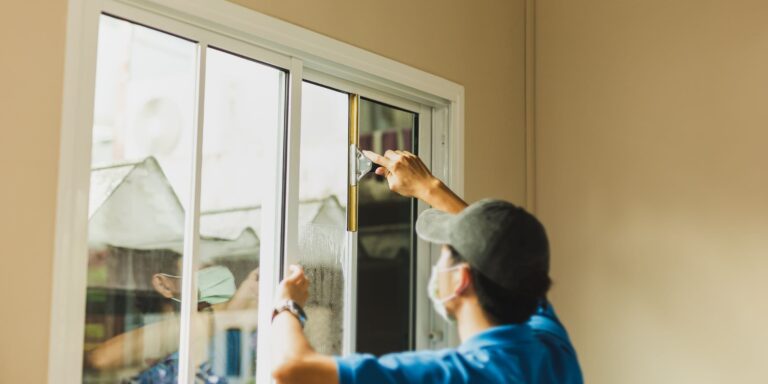
Even the highest-quality window film can fail prematurely if installation is poor. Improper DIY installation often results in bubbles, edge peeling, or uneven adhesion, which accelerates fading and reduces overall performance. Professional installers ensure bubble-free installation, proper edge finishing, and correct film curing, which are essential for maximizing the life of the tint.
Most films require a curing period of 7–30 days before they can be cleaned. During this time, improper handling can cause scratches or edge lifting, leading to early degradation. OC Tint Solutions’ certified installation process guarantees that films are applied correctly, edges are sealed, and the curing process is fully respected. This ensures that your ceramic, nano ceramic, or carbon tint maintains its protective properties and visual quality for many years.
Typical Window Tint Lifespan by Material
Different types of window film have varying lifespans. Understanding these differences helps you choose a tint that matches your driving habits and environmental exposure.
| Film Type | Expected Lifespan | Notes |
| Dyed Tint | 3–5 years | Affordable, may fade quickly, purple tinting possible |
| Metalized / Metallic Tint | 5–8 years | Reflective, moderate heat reduction, may interfere with GPS or radio signals |
| Carbon Tint | 7–10 years | Fade-resistant, blocks UV and IR heat, maintains clarity and privacy |
| Ceramic / Nano Ceramic Tint | 10–20 years | Premium, excellent UV and infrared protection, non-reflective, long-lasting |
For drivers in Southern California, investing in ceramic or nano ceramic film offers the best combination of heat rejection, UV protection, and signal safety, ensuring your car remains comfortable and protected for many years.
Signs Your Window Tint Is Fading
Recognizing early signs of fading can prevent more severe damage to both the tint and your vehicle interior. Key signs include:
- Discoloration: Dyed films may turn purple, while metallic films can lose their reflective shine.
- Bubbling or Peeling: Adhesive degradation can cause air pockets or curling edges.
- Reduced Heat / UV Protection: If the cabin feels hotter than usual, the film may no longer block infrared or UV rays effectively.
- Scratches or Cracks: Improper installation or low-quality materials may lead to visible surface damage.
- Front vs Rear Windows: Rear windows often fade faster due to greater sun exposure throughout the day.
OC Tint Solutions helps Orange County drivers detect these issues early. Our team can evaluate the condition of your film and recommend whether maintenance or replacement is needed, ensuring your tint continues to provide protection, comfort, and privacy.
How to Make Your Window Tint Last Longer
Once your window film is installed, its longevity depends on how you care for it. For Orange County drivers, the sun can be intense, and cars parked outside are constantly exposed to UV rays and heat. Proper care can significantly extend the life of your window tint and maintain its performance.
Invest in High-Quality Films
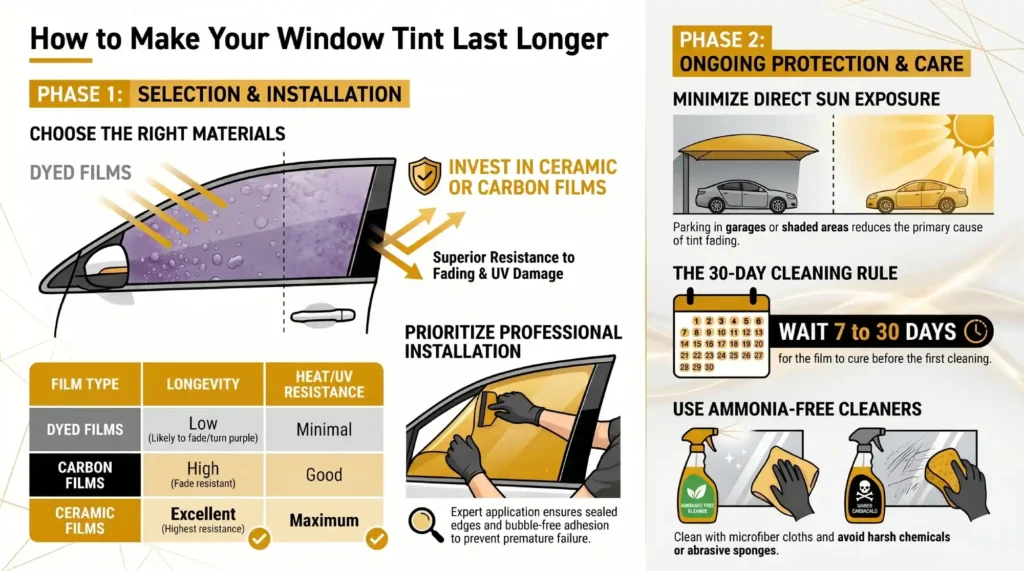
The type and quality of your window film play a major role in how long it lasts. Ceramic and nano ceramic films are highly resistant to fading, discoloration, and UV damage, making them ideal for the hot Southern California climate. Carbon films also offer good fade resistance while blocking heat and UV rays without affecting electronics. Cheaper dyed films, however, are more likely to fade, turn purple, and lose effectiveness within just a few years. Investing in a premium film may cost more upfront, but it ensures better long-term comfort, interior protection, and vehicle aesthetics.
We recommend ceramic and nano ceramic films for drivers in Anaheim, Costa Mesa, and across Orange County. Our selection includes films that maximize heat rejection, UV protection, glare reduction, and signal safety. Choosing the right film is the first step toward longer-lasting tint.
Professional Installation
Even the highest-quality film can fail prematurely if installed incorrectly. Poor installation can cause bubbling, peeling, edge separation, or uneven adhesion, which accelerates fading and reduces performance. Professional installers ensure the film is applied smoothly, edges are sealed, and curing is done correctly, providing bubble-free installation and consistent performance.
OC Tint Solutions specializes in professional installation for all types of window films. Our team carefully measures and cuts each film to fit your vehicle’s windows, ensuring maximum durability and long-lasting protection.
Limit Sun and Heat Exposure
Parking in shaded areas or a garage whenever possible reduces exposure to direct sunlight, which is the main factor contributing to tint fading. Using sunshades or covers can further protect your windows from UV rays and excessive heat, especially during peak summer months.
Proper Cleaning and Maintenance
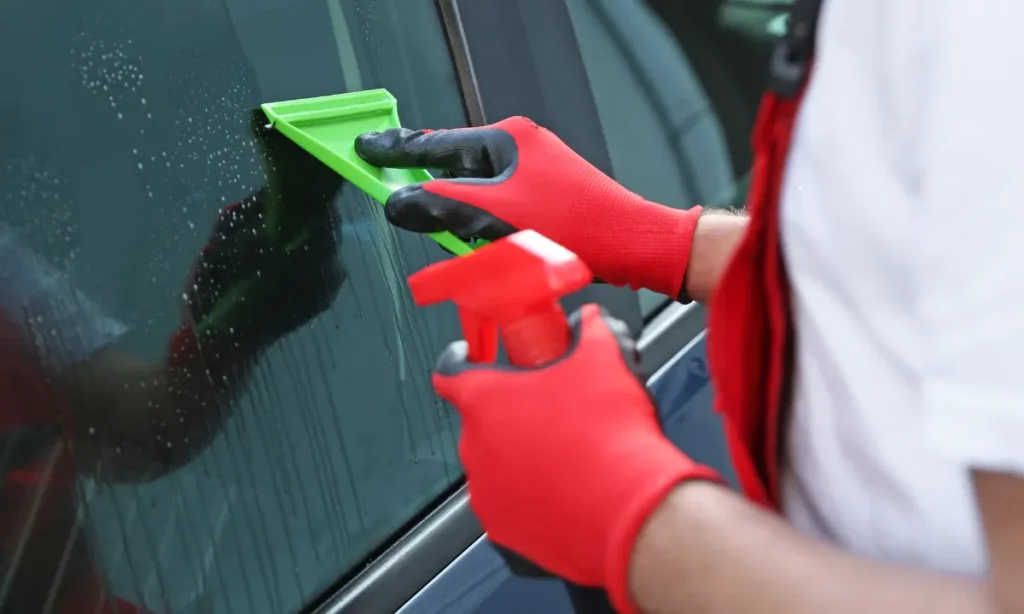
Cleaning your tinted windows properly is critical to preventing fading, peeling, or scratching. Wait until the tint fully cures, usually between 7 to 30 days, before cleaning. Use microfiber cloths and ammonia-free, window-film-safe cleaners to maintain the film’s surface. Avoid scrapers, razor blades, abrasive sponges, or harsh chemicals, as these can damage the adhesive and surface layer, reducing effectiveness over time. We provide guidance to every customer on proper cleaning techniques to maximize the lifespan of their window film. Following these recommendations ensures that your tint continues to protect your car’s interior, reduce heat, and maintain privacy.
Comparing Fade Resistance Across Tint Types
Understanding which film resists fading best helps you make a more informed choice. Not all window films are created equal, and material technology largely determines performance.
| Film Type | Fade Resistance | Key Benefits |
| Dyed Tint | Low | Affordable, basic heat and glare reduction, fades quickly, purple tinting possible |
| Metalized / Metallic Tint | Medium | Reflective privacy, moderate heat rejection, may interfere with electronics |
| Carbon Tint | High | Blocks UV and IR heat, fade-resistant, maintains clarity, no signal interference |
| Ceramic / Nano Ceramic Tint | Very High | Premium UV and heat protection, non-reflective, long-lasting clarity, safe for electronics |
For Orange County drivers, ceramic or nano ceramic films are ideal because they withstand the intense sun, heat, and UV exposure common in Anaheim, Costa Mesa, and surrounding areas. These films maintain both functionality and appearance for years longer than dyed or metallic options.
Cosmetic vs Functional Impact of Fading
Window tint fading affects more than the way your car looks. Many drivers first notice the cosmetic signs, such as purple tinting, discoloration, visible bubbles, or a faded appearance. These problems can make the vehicle look older and poorly maintained, especially when the tint no longer has a clean, even finish.
The bigger concern is the functional impact. As window film fades, its performance can drop. This may mean less UV protection, weaker heat reduction, more sun glare, and reduced privacy. If your cabin feels hotter than before or sunlight feels harsher through the glass, your tint may no longer be protecting your interior as well as it should.
Even minor fading can reduce comfort and vehicle interior heat protection over time. That is why faded tint should not be treated as only an appearance issue. It can affect driving comfort, glare reduction, privacy, and long-term protection for your dashboard, seats, and trim.
When to Replace Faded Window Tint
You should replace faded window tint when the film no longer looks clean or performs properly. Common warning signs include severe bubbling, tint peeling, cracking, edge lifting, or visible discoloration. Purple tinting is especially common with older dyed films and usually means the film has broken down. Replacement is also a smart choice if your vehicle feels hotter than before, glare has increased, or privacy has reduced. These signs suggest the film may have lost part of its heat rejection, UV protection, or glare reduction performance.
Professional installers like OC Tint Solutions can remove old tint and replace it with premium ceramic window tint, nano ceramic tint, or carbon window film. This helps restore appearance, comfort, privacy, and protection without the problems caused by aging or low-quality film.
Local Tips for Orange County Drivers
Orange County drivers deal with strong Southern California sun, warm weather, and frequent direct sunlight exposure. This climate can speed up window tint fading, especially on cars parked outdoors for long hours in Anaheim, Costa Mesa, and nearby areas. For this climate, ceramic or nano ceramic films are usually the strongest choice. They offer better fade resistance, heat reduction, UV protection, and long-term clarity compared with cheap dyed tint. They are also a better option for modern vehicles because they do not interfere with electronics.
Avoid DIY installation and low-quality film if you want your tint to last. A professional window tint installer can apply the film correctly, reduce the risk of bubbles or peeling, and help you choose the right film for your vehicle. For best results, inspect your tint every 12 to 18 months to catch early signs of fading, edge separation, or bubbling.
FAQ – Window Tint Fading and Longevity
Does ceramic tint fade faster than carbon tint?
No. Ceramic tint usually does not fade faster than carbon tint. Both are fade-resistant options, but ceramic tint is often considered the premium choice because it offers strong UV protection, infrared heat rejection, clarity, and long-term durability.
Why does dyed window tint turn purple?
Dyed window tint turns purple when UV rays break down the dyes inside the film. As the original color fades, the remaining dye tones can shift, creating a purple look. This is common with cheap window tint and older dyed films.
Can a metallic tint interfere with electronics?
Yes. Metallic or metalized tint can sometimes interfere with GPS, radio, Bluetooth, satellite radio, and cell phone signals because it contains metal particles. Ceramic and carbon films do not usually cause this issue because they are non-metallic.
Does a garage or shaded parking really extend tint life?
Yes. Garage parking and shaded parking reduce direct sunlight exposure, UV rays, and heat buildup. This helps slow tint fading, adhesive degradation, bubbling, and discoloration.
When is the best time to replace faded tint?
The best time to replace faded tint is when you notice bubbling, peeling, cracking, purple discoloration, reduced privacy, stronger glare, or less heat protection. Replacing it early helps restore comfort and prevents your vehicle from looking worn.
Final Thoughts: Is Window Tint Fading a Problem You Should Worry About?
Window tint fading is normal, but it should not happen quickly when you choose the right film and installer. The biggest factors affecting tint lifespan are film quality, sun exposure, installation quality, and maintenance habits. For Orange County drivers, the strongest defense against fading is investing in a high-quality automotive window film from the start. While low-cost dyed films may save money initially, they often fade faster and require replacement sooner. Carbon and ceramic films provide stronger fade resistance, better UV protection, improved heat rejection, and longer service life.
If your current tint is bubbling, peeling, turning purple, or no longer blocking heat effectively, it may be time for an upgrade. At OC Tint Solutions, we help drivers throughout Anaheim, Costa Mesa, and Orange County choose window films that are built for Southern California conditions. Whether you need new automotive tint, replacement film, ceramic window tint, nano ceramic tint, or expert advice on selecting the right option, our team can help you protect your vehicle and enjoy long-lasting performance.
A quality window tint is more than a cosmetic upgrade. It helps protect your vehicle interior, improve comfort, reduce glare, and make every drive more enjoyable. Choosing the right film today can save time, money, and frustration in the years ahead.