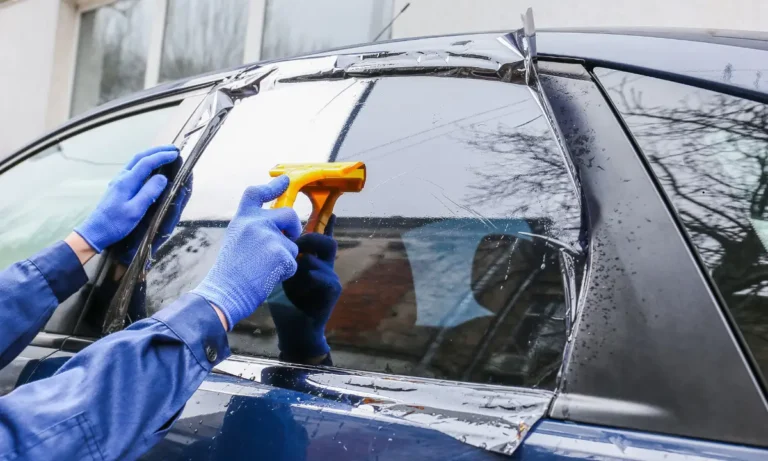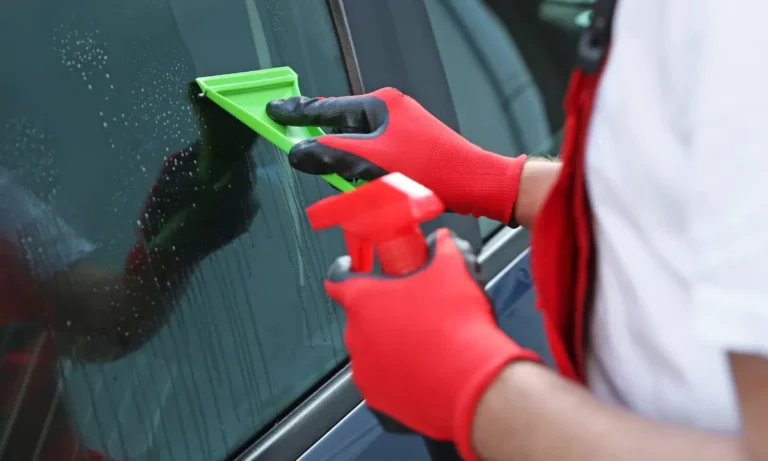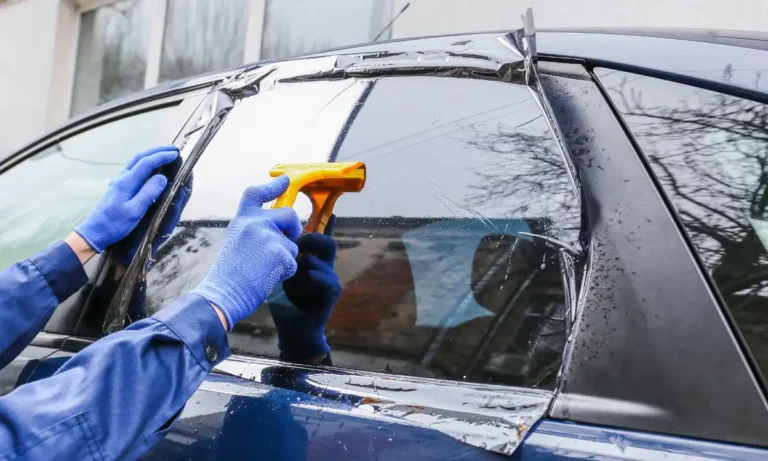
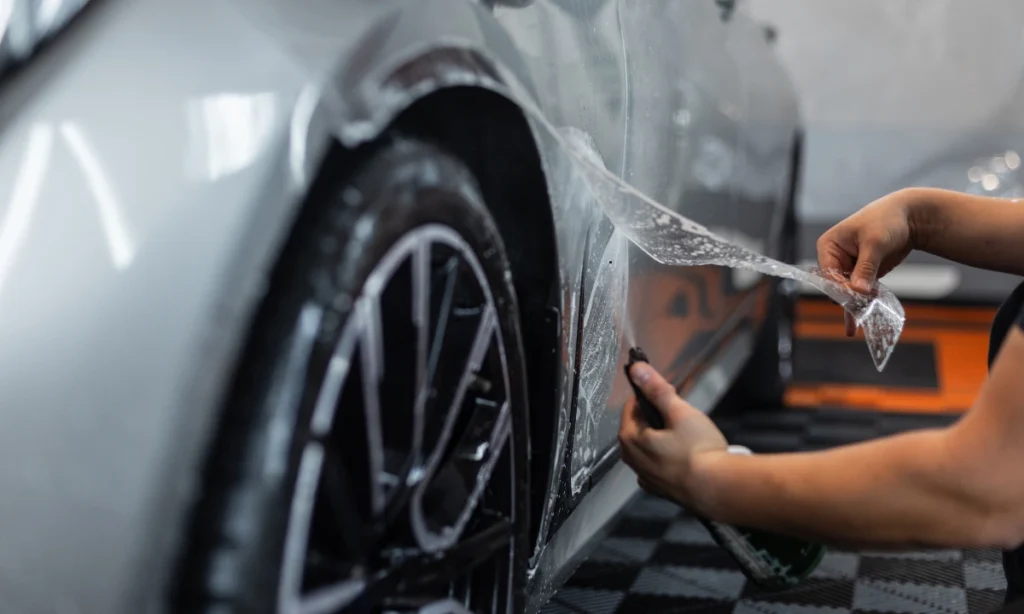
Keeping your car’s paint flawless in Orange County, CA, is no small task. Between rock chips on the freeway, bird droppings, UV rays, and everyday wear, your vehicle’s exterior faces constant threats. That’s where self-healing Paint Protection Film (PPF) comes in, a cutting-edge solution that not only preserves your car’s pristine finish but actively repairs minor scratches and swirls over time.
In this guide, we’ll tell you the science behind PPF self-healing technology, showing how it protects your vehicle from scratches, UV damage, and road debris while maintaining a sleek, glossy appearance. Whether you’re new to PPF or looking to upgrade your car’s protection, you’ll discover why this innovative film is the ultimate investment for long-lasting paint preservation.
What is Paint Protection Film (PPF)?
Paint Protection Film (PPF) is a transparent layer of polyurethane that is applied to a vehicle’s paint surface. It acts as a shield that protects against environmental damage, such as scratches, chips, UV rays, and chemical contaminants. While it’s nearly invisible to the naked eye, it provides a strong, durable barrier that absorbs the impact of road hazards, keeping your vehicle’s paint intact.
The film is designed to maintain the vehicle’s aesthetic appeal while providing an additional layer of protection against the harsh elements. PPF is typically used on high-traffic areas like the front bumper, hood, and side mirrors, where damage from road debris and scratches is most common.
The Science Behind Self-Healing Technology in PPF
At its core, PPF is made up of several layers that serve distinct purposes. The top layer is a self-healing layer, which is responsible for the magic of PPF’s self-repairing capabilities. When this layer is scratched or damaged, it has the ability to heal and restore itself, making minor imperfections disappear without the need for manual repairs.
Top Layer (Self-Healing)
The top layer of PPF is where the self-healing technology comes into play. This layer is composed of elastomeric polymers, which have the unique ability to return to their original shape when exposed to heat. This self-repairing mechanism allows PPF to automatically recover from minor scratches and abrasions. The elastomeric polymers in the film are able to move at a molecular level, effectively “healing” any small damage by restoring the surface.
Middle Layer (Adhesive)
Beneath the self-healing layer is the adhesive layer, which helps the PPF bond securely to your vehicle’s paint. This layer ensures that the film stays in place, providing a strong, protective bond that won’t peel or lift over time. The adhesive layer also plays a role in the flexibility of the film, allowing it to adapt to the surface of your vehicle without bubbling or lifting.
The Role of Elastomeric Polymers
Elastomeric polymers are the key to the self-healing technology that makes PPF so effective. These flexible polymers are designed to return to their original shape after being stretched or deformed. When exposed to heat whether from sunlight, warm water, or even the engine bay of your car—the polymers regain their shape, smoothing out any minor scratches or imperfections on the surface.
This molecular mobility allows PPF to repair itself quickly, making it highly resistant to daily wear and tear. Whether you’re dealing with swirl marks from automated car washes or light scratches from parking lot incidents, self-healing PPF ensures that your vehicle remains protected and looking flawless.
How the Self-Healing Process Works
The self-healing process in PPF is activated primarily by heat. This could come from direct sunlight, warm water, or even the engine heat under the hood. When the PPF is exposed to these heat sources, the elastomeric polymers within the top layer become more flexible and can repair minor damage caused by scratches, chips, or swirl marks. Find out why PPF is the best and minor damage.
Triggers for Self-Healing
- Sunlight: Direct exposure to sunlight is one of the most common triggers for self-healing. When the UV rays hit the film, they soften the elastomeric polymers, allowing them to heal.
- Warm Water: Washing your car with warm water can activate the healing process, allowing the film to smooth out minor imperfections.
- Engine Bay Heat: The heat generated in the engine bay can also trigger the self-healing properties of PPF, especially if your vehicle has PPF on the front bumper or hood.
The Key Benefits of Self-Healing PPF Technology
Self-healing PPF technology brings a host of benefits that make it an essential investment for vehicle owners in Orange County, CA, where environmental factors can cause significant damage to your car’s paint. From protecting against minor scratches to enhancing the vehicle’s aesthetic appeal, self-healing PPF provides unmatched long-term protection. Let’s break down some of the key benefits that make self-healing PPF stand out.
Scratch Resistance
One of the most significant benefits of self-healing PPF is its ability to resist scratches and minor abrasions. Whether it’s caused by road debris, tree branches, or key marks, the top self-healing layer of PPF allows the film to return to its original state, removing visible scratches. This technology works by activating the elastomeric polymers, which reshape the film, making the surface smooth again. Even after automated car washes or daily wear, PPF keeps your vehicle looking brand new.
UV Protection
Another crucial aspect of PPF is its ability to block harmful UV rays that can fade the paint over time. UV exposure not only damages the vehicle’s finish but also causes oxidation that can deteriorate the paint. By applying PPF, you’re adding an extra layer of UV protection, which preserves your vehicle’s original color and keeps it looking fresh for years. The self-healing layer also works to prevent fading, ensuring that your car maintains its glossy appearance.
Chemical Protection
Vehicles are often exposed to chemical contaminants, including bird droppings, tree sap, road salts, and gasoline spills. These contaminants can be harmful to your vehicle’s paint and lead to permanent discoloration or stains. PPF acts as a barrier against these chemicals, preventing them from reaching the paint. The self-healing feature ensures that even after exposure, the film can repair itself and keep your car’s finish intact.
Swirl Mark Resistance
If you’ve ever noticed those swirl marks that appear after washing your car, you know how frustrating they can be. Self-healing PPF helps to prevent these marks by allowing the surface to smooth out on its own after a wash. As the elastomeric polymers adjust to the pressure, the swirl marks fade away, leaving behind a flawless surface.
Enhanced Aesthetic Appeal
Beyond the protective features, self-healing PPF also enhances your vehicle’s appearance. The film provides a glossy, shiny finish that highlights your car’s original color. The self-healing process also means the surface remains smooth and free from imperfections, which makes your car look well-maintained and brand new for a longer period. The film’s transparency ensures that the original paint color shines through without altering the aesthetic of the vehicle.
OC Tint Solutions provides professional PPF installation to keep your car’s paint protected and looking new.
How Long Does Self-Healing PPF Last?
A common question that car owners have about PPF is its longevity. On average, self-healing PPF can last up to 10 years or more, depending on factors such as maintenance, environmental exposure, and the quality of the film. Brands like Xpel and 3M offer warranties that cover defects and performance for several years, providing peace of mind for owners.
Factors Affecting Longevity
- Exposure to Heat: The heat activation process that triggers self-healing can be beneficial but should be managed carefully. Excessive heat, such as leaving the car in direct sunlight for long periods, can degrade the film.
- Maintenance: Regular maintenance, including hand washing with non-abrasive materials, can help extend the life of your PPF.
- Quality of Installation: Choosing a professional installer like OC Tint Solutions ensures that the film is applied correctly, maximizing its lifespan.
Why Choose OC Tint for Your PPF Installation?
With the advanced self-healing technology in PPF, it’s important to trust an experienced PPF installer to ensure the best possible protection for your vehicle. At OC Tint Solutions, we specialize in professional PPF installation using top-tier brands such as Xpel and 3M. Here’s why OC Tint Solutions is the best choice for PPF installation:
- Expert Installation: Our certified technicians have years of experience installing self-healing PPF to ensure a flawless finish with long-lasting protection.
- High-Quality Products: We use only the highest quality PPF brands, such as Xpel, that offer superior protection and self-healing capabilities.
- Customized Solutions: Whether you’re looking for protection for your luxury car, motorcycle, or fleet vehicle, we provide tailored solutions to meet your needs.
- Local Expertise: As Orange County, California, we understand the unique challenges that come with sun exposure, road debris, and coastal conditions, and we’re here to provide the best protection for your vehicle.
Conclusion: Protect Your Vehicle with Self-Healing PPF
In summary, self-healing PPF offers a game-changing solution for vehicle protection. Whether you’re dealing with minor scratches, UV damage, or road debris, self-healing PPF keeps your vehicle looking new for years. If you’re in Orange County and looking to safeguard your car, OC Tint provides expert PPF installation services.
Contact OC Tint Solution today to get started on protecting your vehicle with self-healing PPF. We are dedicated to providing the best quality protection to keep your car looking pristine, no matter the conditions it faces.