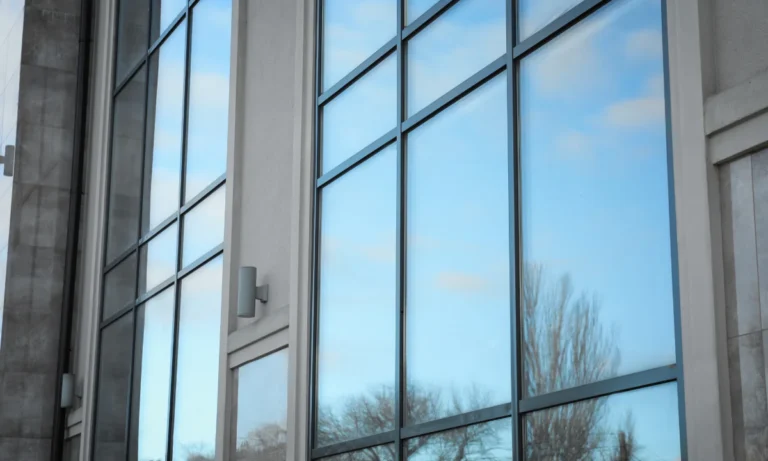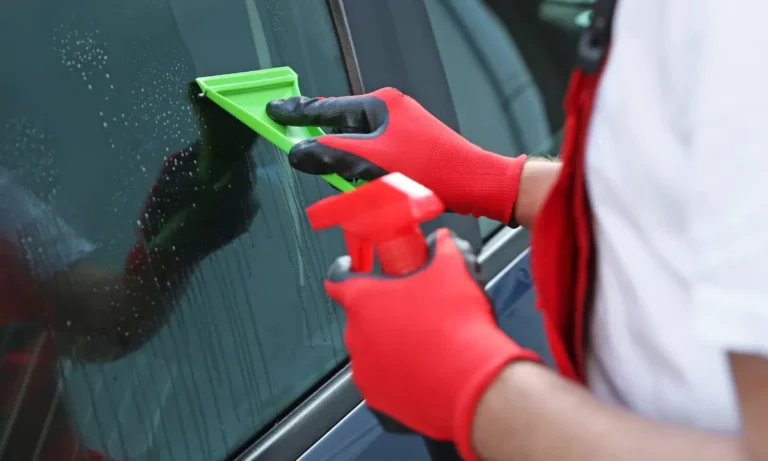

A commercial window film project can solve real problems for an Orange County business: harsh afternoon heat, screen glare, fading inventory, lack of privacy, or exposed storefront glass. The mistake is choosing a film based only on darkness or price, only to find that the property manager objects, that the project is tied to a tenant-improvement permit, or that the selected product does not match the energy-code paperwork. Before installing commercial window tint, business owners should confirm the project scope, building rules, lease terms, and product specifications.
Quick Answer: What Should You Check Before Installing Commercial Window Film?
Commercial window tinting is different from automotive tinting. There is no single California “legal tint percentage” that applies to every office, retail store, restaurant, medical practice, warehouse, or commercial storefront. The right compliance path depends on the city, the existing glass, whether the project is connected to a renovation, how the glass faces the street, the lease agreement, and the type of film being installed.
Before scheduling installation, check the following:
- Property approval: Confirm whether the landlord, building owner, or property manager must approve the film.
- Project scope: Identify whether the work is standalone or connected to a tenant improvement, storefront remodel, glazing replacement, or other permitted alteration.
- Local requirements: Ask the city building department whether plans, permits, or energy documentation are required.
- Film performance: Compare visible light transmission, solar heat gain, reflectivity, privacy, and security performance.
- Documentation: Keep product data sheets, warranties, approvals, invoices, installation records, and final photographs.
What Regulations Can Apply to Commercial Window Tinting?
Commercial window tint regulations can involve several separate issues. A business may need to consider public building rules, California energy standards, safety glazing requirements, private lease obligations, storefront design rules, and product-specific performance records. One project may involve only a landlord approval, while another may be part of a larger renovation that requires plan review and Title 24 documentation.
Why Automotive Tint Laws Do Not Apply to Commercial Buildings
Automotive tint laws focus on vehicle windows, driver visibility, windshields, and road safety. Commercial window tint is installed on flat glass in business properties, such as office buildings, retail stores, restaurants, warehouses, medical offices, schools, and mixed-use developments. For commercial property, the key questions usually concern building modifications, energy performance, street-facing appearance, safety requirements, and lease approval, rather than vehicle-style tint limits. A business owner should avoid using automotive tint percentages as the basis for a commercial project. A 20% or 35% VLT film may be appropriate for one interior office application but unsuitable for a highly visible storefront, a medical entrance, a public-facing door, or a property with strict design rules.
The Main Sources of Commercial Window Tint Rules
Commercial window tinting can be subject to several approval processes. Each source has a different purpose, so it is important to check the right one before work begins.
| Rule or Approval Source | What It May Affect | Who Usually Confirms It |
| Local building department | Permit requirements, alteration scope, plan review, inspections | City building official or plan reviewer |
| California Energy Code | Energy documentation for applicable permitted projects | Energy consultant, architect, plan reviewer |
| California Building Code | Safety glazing and hazardous glass locations | Building official or glazing professional |
| Landlord or property manager | Lease approval, exterior appearance, restoration obligations | Landlord, property manager, tenant |
| Planning or design review | Storefront appearance, exterior reflectivity, façade changes | Planning staff or design-review body |
Public Requirements vs. Private Property Rules
A project can meet public building requirements and still violate a lease or property-management rule. For example, a landlord may prohibit mirrored film, require a neutral exterior appearance, limit graphics on storefront glass, or require all tenants to use the same approved installer. A retail center may also require written approval before any exterior property modification, even if the glass itself is not being replaced. Commercial tenants should treat landlord approval as a separate step from city permit review. Get written approval, keep a copy in the project file, and confirm whether the landlord requires proof of insurance, product information, warranty details, or restoration at the end of the lease.
Do You Need a Permit for Commercial Window Tinting in Orange County?
Permit requirements are based on the full project scope, not solely on the installation of window film. A simple film application on existing glass can be treated differently from a project involving replacement windows, doors, storefront glass, façade work, structural changes, signs, or a larger tenant improvement. Anaheim’s nonresidential permit process includes separate pathways for tenant improvements, change-of-use projects, commercial plan review, fire review, and energy-code information. Costa Mesa likewise lists commercial additions, alterations, and tenant-improvement applications as part of its building process. These local examples show why business owners should confirm the scope with the city that has authority over the specific property.
When a Building Department Check Makes Sense
A business should contact the local building department before installation if the film project is connected to any of the following:
- A new office, retail store, restaurant, warehouse, or medical-office buildout
- Replacement windows, doors, storefront glass, frames, or curtain wall systems
- A permitted tenant improvement or interior remodel
- Exterior façade changes or public-facing storefront modifications
- Decorative graphics, privacy film, or branding changes on street-facing glass
- Security film with safety, forced-entry, or impact-resistance claims
- A project involving California Title 24 energy documents
- A property with historic, architectural, or design-review restrictions
- Glass near exits, entrances, door vision panels, or public-access areas
What to Ask the Local Building Department
A simple question can save time and rework:
“We plan to install window film on existing commercial glass. The glass and frames will remain in place. Does this scope require a permit, plan review, energy documentation, or other approval in this city?”
Provide the building department with the property address, photographs of the existing glass, proposed film type, project scope, whether the film is installed inside or outside, and whether the work is tied to a larger renovation. The clearer the information, the easier it is for the city to direct you to the correct permit or review path.
California Title 24 and Commercial Window Film
California Title 24 is one of the most important subjects for commercial property owners planning larger renovations or energy-related projects. The 2025 California Energy Code applies to buildings with permit applications submitted on or after January 1, 2026. It covers residential and nonresidential construction, additions, and applicable alterations. For a standalone commercial film installation, Title 24 may not be the main issue. However, it can become important when the film is part of a permitted building-envelope project, glazing replacement, storefront alteration, tenant improvement, or energy-compliance submittal.
When Title 24 Can Matter
Title 24 is more likely to matter when the project includes changes to windows, glazed doors, curtain walls, exterior envelope components, or other construction elements that trigger permit and energy code reviews. A project team may need to provide plans, product information, compliance documents, and installation records that match the approved design. The California Energy Commission provides a 2025 Nonresidential Compliance Manual, compliance software, and forms for projects that must demonstrate compliance with the Energy Code.
Why Window Film Does Not Automatically Make a Building Title 24 Compliant
Commercial window film can reduce solar heat, glare, and cooling demand, but the film alone does not guarantee Title 24 compliance. Energy compliance can depend on the existing glass, building orientation, glazing area, wall area, shading conditions, occupancy type, HVAC system, and project scope. A film’s total solar energy rejection percentage should not be treated as the same thing as a building’s required Solar Heat Gain Coefficient, U-factor, or energy-model result. The proper values must come from the applicable product documentation and project calculations.
Window Film Documentation for Applicable Energy-Code Projects
For projects subject to California’s fenestration acceptance requirements, the California Energy Commission instructs inspectors to verify that the window-film label matches the Certificate of Installation and building-plan schedule, including the listed U-factor, SHGC, and visible transmittance values. The completed acceptance documents and related records are then provided to the building owner and enforcement agency.
An energy consultant, architect, or plan reviewer may ask for:
- Existing glass type and construction
- Window sizes and orientation
- Building use and occupancy
- Window and wall area
- Existing exterior shading
- Product data sheets
- Film labels and warranty documents
- U-factor data, where applicable
- Solar Heat Gain Coefficient data
- Visible transmittance data
- Permit application date
- Scope of any related construction work
VLT, VT, SHGC, and Reflectivity: What Do the Numbers Mean?
Commercial window film performance should be selected based on the building’s actual needs, not just on whether a film looks light or dark. A good choice balances heat reduction, daylighting, privacy, screen visibility, exterior appearance, employee comfort, and applicable property rules.
What Is VLT for Commercial Window Tint?
Visible Light Transmission, often called VLT, describes how much visible light passes through the glass-and-film combination. A lower VLT creates a darker appearance and may increase privacy and glare control. A higher VLT allows more daylight into the space and can preserve a more open appearance from inside and outside the building. Commercial buildings do not follow one universal California VLT percentage for every film installation. The correct VLT depends on the use of the space, privacy needs, storefront visibility, interior lighting, property rules, and any project-specific energy documentation.
VLT vs. VT
You may see both VLT and VT in product information. VLT is commonly used in window film marketing, whereas VT (visible transmittance) may appear in energy code documents and glazing calculations. Before selecting a product, confirm whether the number applies to the film alone or the complete glass-and-film system. A film may have one visible-light value on its own but produce a different value once applied to existing glass. For commercial projects, the combined system value is often more useful than the film-only number.
What Is SHGC?
The Solar Heat Gain Coefficient, or SHGC, measures how much solar heat enters through a glazed system. A lower SHGC generally means less solar heat enters the space. This can help reduce hot areas near windows, lower glare, and reduce cooling demand in offices, retail spaces, medical waiting rooms, conference rooms, and other sun-exposed areas. A lower SHGC is not always the best answer for every property. The film should also support visibility, daylight needs, storefront appearance, and the comfort of people working near the glass.
Reflective Window Film and Storefront Appearance
Highly reflective, mirrored, colored, or very dark commercial window film can create approval concerns for street-facing windows. A property manager may limit exterior reflectivity to maintain visual consistency across a retail center, office park, or commercial façade. A historic property or design-controlled site may have additional appearance requirements.
| Film Measurement | What It Helps Measure | Why It Matters |
| VLT / VT | Visible light entering the space | Daylight, privacy, interior brightness |
| SHGC | Solar heat entering through glazing | Heat reduction and cooling demand |
| Exterior reflectivity | How reflective the glass appears outside | Storefront appearance and exterior glare |
| Interior reflectivity | Reflections visible from inside | Screen glare and nighttime visibility |
| UV rejection | UV filtered by the film system | Protection for furnishings, flooring, and inventory |
Safety, Security, and Emergency Access Rules
Security and safety film can provide useful protection, but business owners should be careful with marketing claims. Different products have different purposes, and a standard solar-control film should not be described as a safety system or break-in solution without supporting documentation.
Security Film Is Different From Safety Glazing
California Building Code Chapter 24 identifies hazardous locations where glazing must be safety glazing or protected to reduce the risk of occupant impact. That requirement is separate from standard privacy or solar-control window film. Commercial film should not be presented as a replacement for code-required safety glazing unless the full system has been evaluated for that use. The glass type, frame condition, attachment method, film construction, and product testing all matter.
Use Accurate Security-Film Claims
Businesses should understand the difference between these terms:
- Glass retention: Helps hold broken glass together after impact.
- Safety window film: May help retain glass fragments in certain applications.
- Anti-intrusion film: May delay entry depending on the system and installation.
- Smash-and-grab delay: May slow forced entry but does not make glass impossible to break.
- Impact-rated film: Requires product-specific test information.
- Blast-mitigation system: Requires a complete, tested system and should not be assumed from film alone.
Ask for product-specific documents before using terms such as “shatterproof,” “unbreakable,” “impact proof,” or “guaranteed break-in protection.” Clear product language protects both the business owner and the installer.
Protect Emergency Visibility and Required Signage
Film placement should be reviewed carefully around exit doors, glass entry systems, door vision panels, emergency access areas, safety labels, and public-facing entrances. Decorative or privacy film can improve appearance and confidentiality, but it should not interfere with required egress, emergency visibility, building signage, or customer access. This is especially important for retail stores, medical offices, schools, restaurants, financial institutions, and other businesses with regular public traffic.
Landlord Approval, Tenant Improvements, and Storefront Rules
Commercial tenants often focus on the benefit of the film and forget that the glass may be part of the landlord’s property. A lease may require written approval before a tenant changes the appearance of windows, storefronts, doors, or exterior glass.
What Tenants Should Review Before Installation
Before signing an installation agreement, commercial tenants should review:
- Landlord approval requirements
- Tenant-improvement clauses
- Restoration requirements at lease end
- Exterior modification restrictions
- Approved contractor requirements
- Insurance requirements
- Building access and work-hour rules
- Responsibility for maintenance and removal
- Warranty ownership and transfer terms
A short email approval may be enough for a small interior privacy-film project, while a large storefront or façade project may require drawings, product samples, and a property manager review.
Street-Facing Storefront Windows
Storefront film should balance privacy, security, branding, natural light, and public visibility. A very dark film may reduce customers’ ability to see products, displays, reception areas, or business signage. A mirrored film may look different under daytime and nighttime conditions, which can affect the property’s exterior appearance. Retail businesses should also confirm that the film will not interfere with window graphics, promotional displays, landlord-required signage, or any local design standards applicable to the site.
Historic and Design-Controlled Properties
Historic districts, mixed-use developments, business parks, and master-planned retail centres may have stricter requirements for exterior appearance. Before selecting colored, mirrored, reflective, or unusually dark film, confirm whether the property has design guidelines, a historic review process, or an architectural review requirement. The safest approach is to obtain written approval before ordering film for a street-facing commercial façade.
What Should a Commercial Window Film Installer Provide?
A qualified installer should be able to explain the selected product, present performance information, and provide records that align with the project file. This is important for warranty claims, property management approvals, energy code projects, and future maintenance.
License, Insurance, and Commercial Experience
California’s Contractors State License Board includes plastic film window treatments used for temperature control or screening within the D-52 Window Coverings Contractor classification. Business owners should verify current license status, commercial experience, insurance coverage, and project scope before hiring an installer.
A Clear Installation Plan for Occupied Businesses
A professional commercial installation plan should address access to the glass, furniture movement, cleaning, cure time, work hours, customer access, dust control, and protection of nearby equipment. Offices, restaurants, medical practices, and retail stores often need work completed with minimal interruption to daily operations.
OC Tint Solutions focuses on comfort, privacy, energy efficiency, glare reduction, UV protection, and security while minimizing disruption to business operations.
Common Commercial Window Tinting Compliance Mistakes
Most commercial window film problems happen before installation. The issue is often a rushed decision, unclear lease terms, or a product selected without checking how it will look and perform on the building.
Using Automotive Tint Rules for Business Windows
The vehicle tint law does not answer questions about commercial buildings. A commercial project should be selected based on space use, property rules, daylighting, solar heat gain, storefront visibility, and the local project path.
Assuming Darker Film Always Means Better Privacy
A darker film can improve daytime privacy, but it may also reduce daylight, affect the storefront appearance, make interior spaces feel darker, and change nighttime visibility. Privacy film should be selected for the specific glass location and business purpose.
Treating Title 24 as a Marketing Label
Title 24 compliance is project-specific. A solar-control film may support energy goals, but it does not automatically create compliance without the correct project review, calculations, forms, and records where required.
Calling Security Film “Safety Glass”
Security film, safety glazing, glass retention, and forced-entry delay are different concepts. Use accurate language, request supporting test information, and avoid unsupported claims.
Starting Work Before Getting Property Approval
A landlord or property manager can require removal if film is installed without approval. This can create avoidable labor costs, material waste, opening delays, and disputes over restoration.
Commercial Window Tinting for Orange County Businesses
OC Tint Solutions provides commercial window tinting for Orange County offices, storefronts, restaurants, warehouses, medical offices, and other business properties. The company offers film options for solar heat reduction, glare control, privacy, UV protection, decorative glass, and commercial security needs.
Before installation, OC Tint Solutions can help businesses compare appropriate film options based on the building’s goals and the glass’s condition. For projects involving permits, Title 24 documents, landlord approvals, historic property rules, safety glazing questions, or major storefront changes, the business should confirm the requirements with the appropriate city department, property professional, or project team before work begins.
FAQs About Commercial Window Tinting Regulations
Are there legal VLT limits for commercial window tint in California?
California does not use one universal commercial-building VLT percentage for every window film project. The appropriate VLT depends on the property’s use, daylighting needs, privacy goals, storefront visibility, exterior design rules, lease restrictions, and any applicable energy code documentation.
Is a permit required for commercial window tinting in Orange County?
A permit may or may not be required depending on the city and project scope. A film-only project can be treated differently from a glazing replacement, a storefront alteration, a tenant improvement, or a larger remodel. Contact the building department for the city where the property is located before installation.
Does California Title 24 apply to commercial window film?
Title 24 may apply when window film is part of an applicable permitted new construction, alteration, building envelope, or glazing project. For projects subject to fenestration acceptance requirements, product labels and performance values must match the approved documentation.
Can a commercial tenant install window tint without landlord approval?
A tenant should not assume approval is unnecessary. Many commercial leases require landlord consent for changes to exterior glass, storefront appearance, tenant improvements, or building components. Review the lease and obtain written approval before installation.
Are reflective or mirrored window films allowed on storefront windows?
Reflective or mirrored film may be acceptable in some locations, but property managers, design rules, historic areas, and storefront standards can restrict exterior appearance. Confirm approval before selecting a highly reflective product for street-facing glass.
Does decorative window film need approval for a retail storefront?
It can. Decorative film may affect storefront appearance, signage, customer visibility, building branding, or landlord design standards. Interior decorative film may have fewer approval issues, but written property approval is still a smart step for commercial tenants.
What documents should I keep after commercial window film installation?
Keep the itemized invoice, product data sheet, warranty, film label information, landlord approval, permit records if applicable, installation photos, care instructions, and any Title 24 or energy-compliance documents associated with the project.
References
California Building Code
https://codes.iccsafe.org/content/CABC2025P1/chapter-24-glass-and-glazing
Building Energy Efficiency Standards